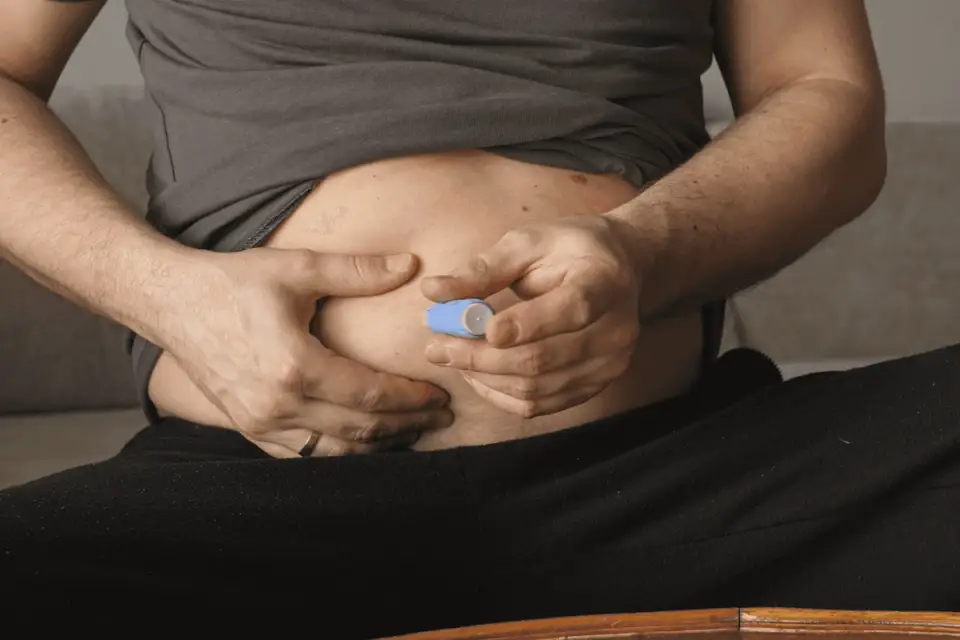

Transformation photos show dramatic Zepbound before-and-after results, but results vary widely between users. Some people lose 50 pounds in six months, while others struggle to shed 15 pounds in the same timeframe. These differences stem from factors such as starting weight, metabolism, lifestyle habits, and dosage timing, rather than from the medication's effectiveness alone. Setting realistic expectations requires understanding how your individual circumstances influence outcomes.
Personal tracking becomes essential for measuring progress, not just comparing yourself to others' results. Your body's response depends on unique factors that generic success stories can't predict. Building confidence in your weight loss journey requires monitoring patterns specific to your situation and celebrating milestones that reflect your individual progress with the right support system through a GLP-1 app.
Table of Contents
- Why You Feel Overweight, Tired, or Stuck Before Starting Zepbound
- What Actually Happens to Your Body on Zepbound and Why Results Vary
- What Real Before and After Results Look Like and How to Maximize Them Safely
- Why You're Not Losing Weight on Zepbound and What to Do Next
- Turn Your Zepbound Weight Loss Into a Structured, Sustainable Routine
Summary
- Weight loss on Zepbound varies dramatically because metabolic rate, insulin sensitivity, gut microbiome composition, sleep quality, stress levels, and lifestyle habits all influence how your body processes tirzepatide. Clinical trials showed participants lost an average of 20.9% of body weight over 72 weeks, but that average masks enormous variation. About 50% of participants achieved at least 20% weight loss, while roughly 90% hit the 5% threshold, and the remaining 10% saw minimal response despite adherence.
- Protein intake determines whether you lose fat or lose muscle tissue indiscriminately during a calorie deficit. When appetite drops, and you're eating 40% fewer calories, hitting protein targets of 1.0 to 1.5 grams per kilogram of ideal body weight daily becomes harder but more critical. Without adequate protein, your body cannibalizes muscle tissue for amino acids, slowing metabolism and reducing strength. Resistance training at least twice weekly helps maintain muscle mass, which keeps metabolism functional at a lower weight.
- Plateaus are a standard metabolic adaptation, not a sign of treatment failure. After the initial months of steady loss, your body recalibrates to a lower-calorie baseline and becomes more efficient at conserving energy. Weight stabilizes for weeks even when the medication dose, diet, and activity remain constant. What looks like a plateau might actually be progress your scale can't measure, like losing fat while gaining muscle or losing inches around your waist, even when the number doesn't move.
- Early dose phases can cause changes in appetite before visible weight loss appears on the scale. Starting at 2.5 mg weekly with increases every 4 weeks means you're building the foundation for later results during the first several months, not yet experiencing peak effectiveness. Appetite often changes noticeably within the first few weeks, but visible weight loss typically lags behind as your body recalibrates hunger signals before consistently accessing fat stores.
- Chronic stress elevates cortisol, which increases abdominal fat storage and disrupts hunger regulation even with consistent medication and diet. Sleep deprivation disrupts ghrelin and leptin, the hormones that regulate hunger and satiety, making appetite increase and weight loss slow, regardless of the effectiveness of medication. Aiming for seven to eight hours of sleep nightly and incorporating brief stress-management practices, such as walks or breathing exercises, helps keep those signals balanced.
- MeAgain's GLP-1 app tracks protein and fiber intake, hydration patterns, injection timing, and body responses over weeks so you can see what actually drives your specific results instead of guessing between provider visits.
Why You Feel Overweight, Tired, or Stuck Before Starting Zepbound
Your body doesn't gain weight because you lack willpower. It gains weight because hormonal signals that control hunger, fullness, and energy storage stop working correctly.

"Obesity is fundamentally a disorder of energy homeostasis caused by hormonal dysregulation, not simply overeating."
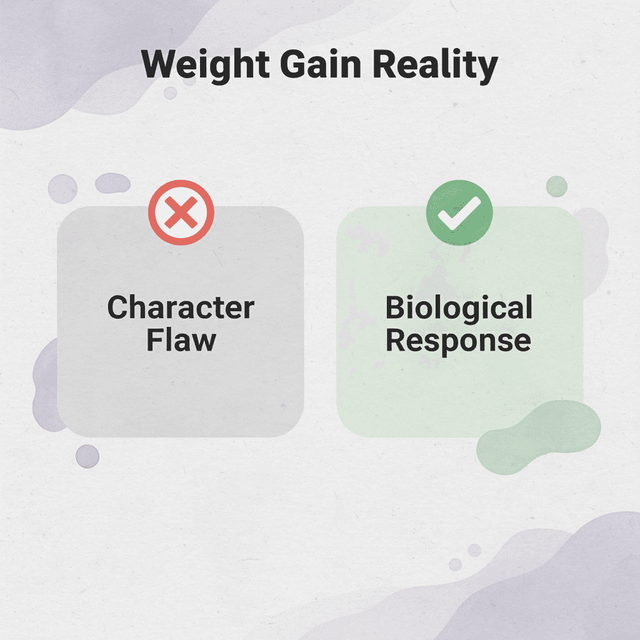
How do leptin and insulin resistance make you feel stuck?
When leptin resistance develops, your brain never receives the message that you've eaten enough, so hunger persists after meals. Insulin resistance compounds this by impairing cells' ability to use glucose for energy, forcing your body to store more as fat while leaving you fatigued.
Why is weight gain a biological issue, not willpower?
According to the CDC, 42% of adults in the United States are obese. This reflects biological systems that evolved to protect against starvation now working against you in an environment of constant food availability, not individual failure.
Why doesn't traditional dieting work long-term?
You've probably tried cutting calories, increasing exercise, or both. The scale drops for a few weeks, then stops declining despite your continued efforts. Your body sees calorie restriction as a danger and responds by slowing your metabolism, increasing hunger hormones like ghrelin, and decreasing the satiety hormone leptin. What feels doable becomes a daily fight against your body's natural responses that most people eventually lose, not because they stop trying, but because their bodies have adapted to protect the weight.
What does successful transformation really require?
One person described how weight greatly impacted confidence and life experience during formative years. The transformation demanded more than discipline: it required rebuilding an entire social environment, as the old one reinforced patterns that made weight loss impossible.
What does it feel like when your body becomes the enemy?
The exhaustion is mental and physical: you must constantly monitor what you eat, contend with shame from regaining weight, and fear that any mistake will undo months of work. You become acutely aware of how your body looks and how people react to you—a constant low-level worry that persists even during weight maintenance, because you know how quickly things can reverse.
How does chronic stress compound the physical effects?
Hunger becomes background noise until it triggers irritability, poor concentration, or binge eating. Elevated cortisol from chronic stress disrupts sleep, while insulin spikes and drops create energy crashes that your metabolism can no longer smooth out. These compounding effects make every day feel harder than it should be.
Why does traditional weight loss advice fail for many people?
Traditional weight loss advice treats obesity as a behavior problem requiring more discipline. But when metabolic hormones are not working correctly, discipline cannot override the biological signals that drive hunger and fat storage. Medications like tirzepatide (the active ingredient in Zepbound) work on hormonal pathways that diet and exercise cannot fully address alone.
How can you track your progress with medication treatment?
Platforms like MeAgain's GLP-1 app provide tracking tools to monitor your body's response throughout treatment. Instead of guessing whether changes in hunger, energy, or weight are normal, you can log patterns and track progress in real time.
What happens when you work with your body instead of against it?
The shift happens when you stop fighting your body and start working with treatments designed to restore the signals that should control weight. Understanding how those treatments work and why your results might differ from someone else's requires examining what happens inside your body once you start.
Related Reading
What Actually Happens to Your Body on Zepbound and Why Results Vary
Zepbound works by copying GLP-1 and GIP, two hormones your gut produces after eating. These tell your brain you're full and slow how fast food leaves your stomach. Over weeks and months, these signals reduce appetite, stabilize blood sugar, and make it easier to eat less without constant mental battle against hunger. Your body doesn't respond on a fixed timeline, nor does everyone else's.
"GLP-1 and GIP hormones work together to regulate both appetite and blood sugar levels, creating a dual mechanism for weight management."
How does the gradual dosing schedule work?
You start at 2.5 mg once weekly because your body needs time to adjust to the effects of tirzepatide on digestion and appetite regulation. Some people notice reduced hunger within days; others feel little difference for weeks. The medication recalibrates hormonal pathways that have been out of balance for years, though experiences vary widely. Your provider increases the dose every 4 weeks if tolerated, starting at 2.5 mg, then 5 mg, then 7.5 mg, and potentially higher depending on your response and side effects.
What weight loss patterns should you expect?
Weight loss during this early phase often feels disappointing: two pounds one week, nothing the next, then three pounds the following week. This irregularity frustrates people who expect steady progress, but it reflects how your body sheds water weight first, then adjusts to lower-calorie intake, and then taps into fat stores more consistently.
According to Medical News Today, people using GLP-1 medications lose an average of 20.9% of their body weight over 72 weeks, though results varied significantly: some lost 30%, others 10%, and a small percentage saw minimal change despite following the plan.
What factors cause different results between people?
Your metabolic rate, insulin sensitivity, gut microbiome composition, sleep quality, stress levels, and dietary adherence all affect how fast you lose weight. Two people taking the same dose experience different results because their bodies process tirzepatide differently, and their lifestyles create different environments for weight loss. Someone with severe insulin resistance may see slower initial progress because their body takes longer to restore normal glucose regulation. Poor sleep or chronic stress can slow weight loss because elevated cortisol interferes with fat metabolism.
How do side effects impact your progress?
Side effects shape results. Nausea, constipation, or fatigue can disrupt eating patterns or activity levels, slowing progress even when the medication works on hormones. Some people experience appetite suppression so dramatic that eating becomes a chore, requiring adjustment of meal-centered social routines. Others retain normal enjoyment of food while feeling satisfied with smaller portions.
How can tracking help you understand your response?
Platforms like MeAgain's GLP-1 app help you track these changes in real time. The app lets you log injection timing, meals, symptoms, and weight changes in one place, building a clear picture of how your body responds. This visibility reveals patterns you'd otherwise miss and gives your provider concrete data to guide adjustments.
What actually defines a true weight loss plateau?
A true plateau occurs when your weight remains within the same narrow range for several weeks despite consistent medication use, stable routines, and no obvious changes to diet or activity level. This differs from normal weight fluctuations, where daily shifts of a few pounds result from water retention, digestion rate, salt intake, or menstrual cycle phase. Plateaus usually occur later in treatment, after significant weight loss, because your body adapts to a lower calorie baseline and becomes more efficient at conserving energy.
How can you tell if you're making progress if the scale doesn't show?
What looks like a plateau might be progress your scale can't measure. You could be losing fat while gaining muscle with increased activity, holding on to water temporarily due to inflammation or stress, or losing inches as your body composition changes. Tracking how clothes fit, energy levels, and physical capabilities reveals progress the scale misses.
Why do expectations create the most plateau frustration?
The difference between expectation and reality creates the most frustration. Dramatic changes shared online compress months of gradual progress into a single before-and-after image, obscuring the weeks of stagnation, dose adjustments, and daily effort required. You see the endpoint, which makes your slower journey feel like failure when it's normal. Understanding what normal looks like matters only if you know what results are possible and how to maximize them without creating new problems.
What Real Before and After Results Look Like and How to Maximize Them Safely
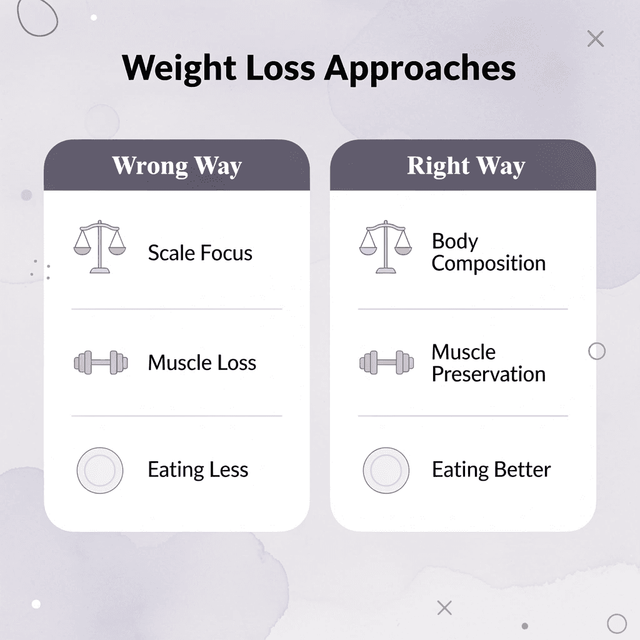
Zepbound reduces appetite, creating a crucial window where eating less feels manageable, but this doesn't automatically translate into optimal body composition. You can lose weight while becoming weaker and losing muscle mass, or you can lose weight while preserving strength, improving metabolic health, and building lasting habits. Your results depend on how you structure your diet and activity around that reduced hunger.
"Weight loss without proper nutrition and resistance training can result in up to 25% muscle loss, significantly impacting long-term metabolic health."
What weight loss results can you expect from clinical trials?
In the SURMOUNT trials, participants without diabetes lost an average of 20.9% of their body weight at 72 weeks on the 15 mg maintenance dose: roughly 46 pounds for someone starting at 220 pounds. About 50% achieved at least 20% weight loss, while roughly 90% reached the 5% threshold considered clinically meaningful. The remaining 10% showed minimal response despite following the treatment plan, highlighting how individual metabolic factors, medication absorption, and lifestyle integration can produce different outcomes.
How do visible changes appear during weight loss?
Visible changes don't follow a predictable schedule. Some people notice facial changes first as inflammation decreases and water retention normalizes. Others see waist circumference shrink before the scale moves significantly. Clothing fits differently weeks before friends comment on weight loss. These non-scale victories signal body composition shifts that raw weight cannot capture, especially when building muscle through resistance training while losing fat.
Why do weight loss plateaus happen?
Plateau phases are normal. After the first few months of steady weight loss, your body adjusts to a lower calorie baseline and becomes more efficient at conserving energy. Weight stays the same for weeks, even when your medication dose, diet, and activity level remain constant. This is metabolic adaptation, not failure, and getting through it requires patience rather than panic-driven restriction, which often leads to binge cycles or muscle loss.
How does protein intake affect weight loss results?
Protein intake determines whether you lose fat or muscle uncontrollably. Aim for 1.2 to 1.6 grams per kilogram of your ideal body weight daily, unless medical conditions require a different amount. When your appetite drops and you're eating 40% fewer calories, hitting your protein targets becomes harder but more important. Without enough protein, your body breaks down muscle tissue for amino acids, slowing your metabolism and reducing your strength.
One person shared that prioritizing protein at every meal, even when food didn't appeal to them, maintained their energy levels and prevented the weakness that had derailed previous weight-loss attempts.
Why is resistance training important during weight loss?
Doing resistance training twice a week helps protect your muscle mass when eating fewer calories. Bodyweight exercises, resistance bands, or basic weightlifting that challenge your major muscle groups preserve the tissue that supports metabolic function. Cardiovascular activity supports heart health and burns calories, but strength work preserves the muscle that determines how your body looks and functions at a lower weight.
How do dosing consistency and lifestyle factors impact results?
Taking your injections on the same day each week is more important than having a perfect diet on certain days. Consistent dosing keeps your medication levels steady, which helps control your appetite predictably. When you skip doses or take them at different times, your hunger and fullness signals become uneven, making it harder to stick with your plan.
Getting good sleep and managing stress affect your results. Chronic stress or insufficient sleep increases cortisol production, a stress hormone that interferes with fat burning and increases cravings for high-calorie foods.
How does poor diet quality undermine medication results?
A poor diet quality can undermine your progress even when you eat fewer total calories. Consuming 1,200 calories of processed foods high in sugar and low in nutrients leaves you malnourished, tired, and more likely to regain weight quickly. The medication reduces how much you eat, not what you choose to eat. Choosing whole foods, vegetables, lean proteins, and healthy fats supports steady energy and metabolic health that calorie counting alone cannot provide.
Why does inactivity accelerate muscle loss during treatment?
Not moving your body accelerates muscle loss during weight loss. Without exercise, a significant portion of that loss comes from muscle tissue, leaving you weighing less but feeling weaker, with a slower metabolism and reduced functional ability. This makes rapid weight regain likely once you stop taking medicine or your appetite returns.
How does inconsistent adherence create progress reversal?
Not sticking with your treatment plan creates a cycle of progress and regression. Missing doses, stopping medication suddenly, or switching between strict adherence and stopping prevent your body from reaching a stable metabolic balance. Weight loss requires months of consistent use, and maintenance requires ongoing treatment because obesity is a chronic condition, not a temporary state that medication permanently resolves.
Platforms like MeAgain's GLP-1 app help you track the variables that determine whether medication translates into sustainable results. The app lets you log meals, track medication levels, and monitor progress patterns that reveal what's working. Rather than guessing whether you're hitting protein targets, maintaining consistent injection schedules, or losing weight too rapidly, this visibility transforms abstract advice into concrete daily actions. But even when you're doing everything right, the scale sometimes stops moving for reasons unrelated to effort or adherence.
Why You're Not Losing Weight on Zepbound and What to Do Next
What does scale weight actually tell you about progress?
The number on the scale tells you less than you think. Weight stalling for weeks doesn't always mean your body has stopped responding to tirzepatide. You might be in an early titration phase, where appetite shifts precede visible fat loss. Water retention from sodium, inflammation, or hormonal changes can mask actual progress. Or you've hit a true plateau where your body has adapted and slowed loss despite consistent medication use and maintained habits.
How does timing affect what weight stalling means?
Context determines whether stalled weight represents normal variation or requires intervention. Starting Zepbound three weeks ago at 2.5 mg with no scale movement differs fundamentally from being on 10 mg for four months unchanged. Early-phase stability reflects your body adjusting to medication while appetite regulation activates, whereas later-phase plateaus suggest metabolic adaptation to lower calorie intake, requiring a different stimulus to continue losing. Patterns over four to six weeks reveal more than daily weigh-ins.
Why might you lose fat without losing weight?
Body composition changes can make the scale misleading. You might lose two inches around your waist while your weight stays the same because fat loss and muscle preservation occur simultaneously. Clothes fit differently, energy improves, and physical capability increases, but the number doesn't change. This disconnect frustrates people relying solely on scale weight, causing them to miss the meaningful shifts happening beneath the surface.
How does tirzepatide dosing work during the initial phase?
Tirzepatide dosing follows a step-by-step plan designed to reduce side effects while your body adjusts to GLP-1 and GIP receptor activation. You start at 2.5 mg weekly, then increase every four weeks if tolerated. According to clinical trials, participants experienced 20% average body weight loss at higher maintenance doses over 72 weeks, though this outcome depends on reaching and maintaining those doses.
At 2.5 mg or 5 mg, you're building the foundation for later results, not experiencing peak effectiveness. Appetite often changes noticeably within the first few weeks, but visible weight loss typically lags behind as your body recalibrates hunger signals before consistently accessing fat stores.
Why do dose escalation timelines vary between individuals?
How fast you increase your dose depends on how well your body tolerates it. Some people move from 2.5 mg to 5 mg after 4 weeks with minimal side effects, while others need to remain at lower doses longer because nausea, fatigue, or digestive issues prevent a quick increase. Going slower doesn't mean the medication isn't working—your body simply needs more time to adjust before taking higher doses that produce greater weight changes.
Side effects are changing how you eat
Feeling sick to your stomach, getting full quickly, and having digestive discomfort alter when and what you eat, affecting weight loss unpredictably. An unsettled stomach may lead you to skip meals or eat at random times, creating calorie deficits that slow your metabolism. Alternatively, you might choose bland, starchy foods lacking the protein and nutrients needed to maintain muscle and energy. These unintentional changes disrupt the consistency required for steady progress.
Diet and exercise changes aren't consistent
Tirzepatide reduces appetite, but it doesn't automatically make you eat better or move more. Clinical trials reporting an average 20% weight loss included structured guidance on nutrition and physical activity, not medication alone. Eating smaller portions of the same foods without adjusting your macronutrient ratios or activity levels will produce less progress than trials have demonstrated. The medication creates the metabolic environment for weight loss, but your daily choices determine whether that translates into actual fat loss or reduced calorie intake; your body adapts to it without changing composition.
Why is protein intake so critical during treatment?
Protein becomes critical when appetite drops because you're working with fewer total calories. Without adequate protein, your body breaks down muscle tissue for amino acids, slowing metabolism and reducing strength. Aim for 25 to 35 grams of protein per meal through eggs, Greek yogurt, chicken, fish, tofu, or legumes. This preserves lean mass during a calorie deficit and keeps you satisfied longer with smaller portions.
How does fiber help manage side effects?
Fiber aids digestion and prevents constipation, a common side effect of tirzepatide that worsens at higher doses. Whole grains, vegetables, berries, and legumes provide bulk that moves through your system even when digestion slows. Add fiber gradually to prevent bloating while supporting gut function that medication can disrupt. High-fat or greasy foods linger in your stomach because tirzepatide slows gastric emptying, which exacerbates nausea and discomfort.
What type of exercise preserves muscle mass?
Muscle preservation requires resistance training at least 3 times per week. Bodyweight exercises, resistance bands, dumbbells, or machines that challenge major muscle groups protect the tissue that determines metabolic rate. Without that stimulus, your body loses muscle and fat proportionally, leaving you lighter but weaker with a slower metabolism. Strength work determines whether weight loss improves body composition or simply makes you a smaller version of the same shape.
Platforms like MeAgain's GLP-1 app help you track whether protein targets, injection timing, and activity patterns align with what drives results. Log meals, monitor medication levels, and review patterns to identify whether diet quality, dose consistency, or movement frequency needs adjustment. This visibility transforms abstract recommendations into concrete, measurable actions you can refine.
Your body needs time to catch up
Adaptive thermogenesis describes how your body uses less energy when you consume fewer calories. Your metabolism slows to conserve energy, making weight loss harder even when you maintain your medication, diet, and exercise routine. This biological response helped your ancestors survive food scarcity, but now it works against intentional weight loss. These plateaus are a normal adaptation, not a sign of failure.
Muscle changes can affect the pace of weight loss
Losing muscle during weight loss is common but counterproductive. Muscle tissue burns more calories at rest than fat tissue, so preserving muscle maintains your metabolism as total body weight decreases. Eating sufficient protein and doing resistance training helps protect muscle, but many people rely solely on cardio or on calorie restriction without strength work. This results in significant muscle loss, making it harder to maintain the weight loss long-term because your metabolism slows unnecessarily.
Stress levels
Long-term stress raises cortisol levels, causing your body to store more fat around your belly and disrupting hunger signals, which can slow weight loss even when taking medication and eating well. Quick stress-relief activities such as walking, breathing exercises, or spending time outdoors can lower cortisol levels enough to improve your metabolism.
Sleep schedule and quality
Not getting enough sleep disrupts ghrelin and leptin, hormones that control hunger and satiety. Sleeping less than six hours regularly increases hunger and slows weight loss, regardless of medication efficacy. Getting seven to eight hours of sleep nightly keeps these signals balanced, supporting the appetite control that tirzepatide provides.
Which medications can interfere with weight loss progress?
Steroids, insulin, certain antidepressants, and beta-blockers can alter how your body handles appetite, energy use, or fat storage in ways that work against tirzepatide's effects. Discuss all your medications with your provider to determine whether adjustments or alternatives exist that support weight loss goals without compromising your other health needs.
How do health conditions affect weight loss response?
Type 2 diabetes, PCOS, hypothyroidism, and menopause create hormonal environments that impede weight loss, even with GLP-1 medication. Insulin resistance diverts glucose into fat storage rather than energy utilization. PCOS disrupts sex hormones and insulin sensitivity simultaneously, while menopause lowers estrogen, affecting fat storage and metabolic rate. These conditions don't make weight loss impossible, but they slow results and may require more patience and higher doses to achieve outcomes similar to those of people without these metabolic issues. Your body's response to Zepbound reflects your unique metabolic history, current health conditions, and daily habits, not just the medication dose. Talking openly with your provider about
Turn Your Zepbound Weight Loss Into a Structured, Sustainable Routine
If you're using medications like Ozempic, Wegovy, or Mounjaro, the biggest challenge isn't starting — it's managing what happens next. While these treatments support weight loss, results and side effects like fatigue, muscle loss, and digestive issues depend on whether you're supporting your body with the right habits.
"Results and side effects from GLP-1 medications often depend on whether you're consistently supporting your body with the right habits." — MeAgain Health Research, 2024
MeAgain is a structured support app designed for people on GLP-1 medications to help you stay on track with habits that protect your results: daily protein and fiber tracking to support muscle retention and digestion, water and hydration reminders to reduce side effects, simple movement and activity goals to preserve strength during weight loss, and progress tracking to see changes over time.
Key Feature | Benefit | Impact |
|---|---|---|
Protein & Fiber Tracking | Supports muscle retention & digestion | Reduces muscle loss during weight loss |
Hydration Reminders | Minimizes common side effects | Better medication tolerance |
Movement Goals | Preserves strength | Maintains metabolic health |
Progress Tracking | Clear visibility of changes | Sustained motivation |
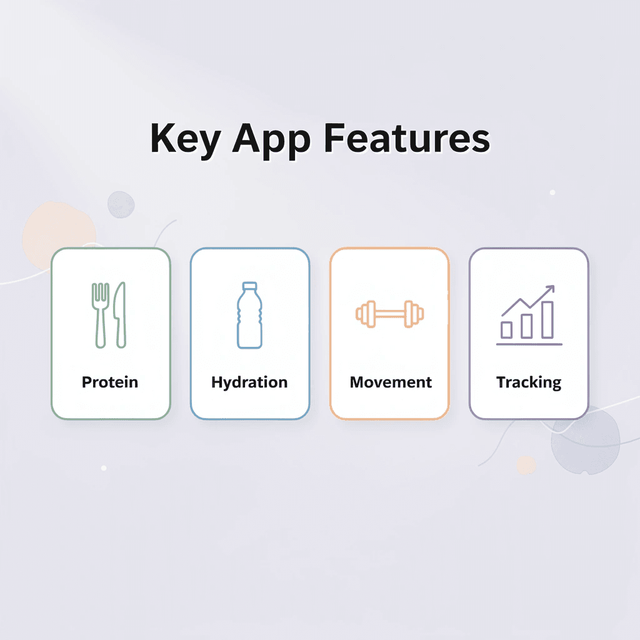
Instead of guessing what you should be doing each day, you follow a clear system that keeps your nutrition, hydration, and movement aligned with your treatment.