
lifestyle
Can You Take Semaglutide Every Other Week Safely?

Ana Reisdorf, MS, RD - GLP-1 expert
Feb 17, 2026
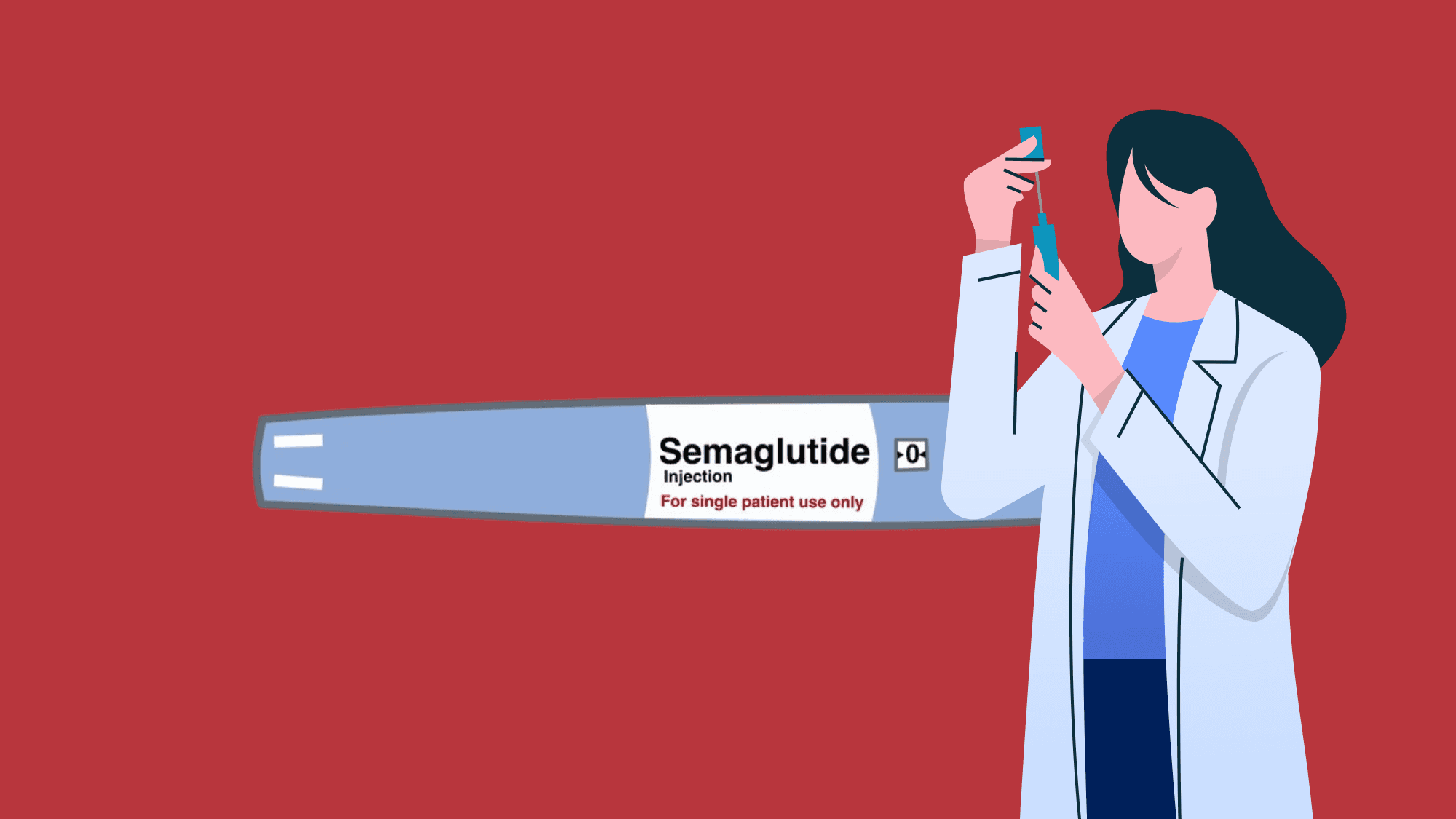
Balancing a busy schedule with an effective semaglutide regimen can be challenging, and many wonder, can you take semaglutide every other week for weight loss? Dosing adjustments may be considered when treatment goals are clear and individual responses are monitored carefully. Evidence of GLP1 benefits suggests that a tailored approach can help maintain progress without compromising results. Evaluating one’s routine and health indicators is essential for making informed decisions.
Personalized guidance is key to safely navigating flexible dosing schedules. Consistent tracking and expert advice enable adjustments that align with unique treatment needs. Reliable, real-time insights can clarify the impact of changes. MeAgain’s GLP-1 app provides practical tools to monitor semaglutide use and support safe, effective weight-loss strategies.
Summary
Semaglutide dosing errors have surged dramatically, with poison control centers logging nearly 3,000 calls from January through November, a 15-fold increase since 2019. The FDA reports patients accidentally injecting five to 20 times their prescribed dose, not from recklessness but from confusion between milligrams and milliliters when using compounded versions in vials. Unlike prefilled pens that click to exact doses, vials require users to calculate concentrations and read tiny syringe markings, creating conditions in which ordinary people make critical measurement errors that lead to hospitalization.
Every-other-week dosing disrupts the medication's effectiveness because semaglutide has a seven-day half-life, meaning blood levels drop to roughly 25% of their peak by day 14. Research presented at Obesity Week 2025 found that more than three out of four people maintained their weight loss when following proper weekly protocols, but that success rate drops when dosing becomes erratic. The appetite suppression that feels reliable during week one returns with force during week two, creating a pharmacological rollercoaster where weight loss stalls and the metabolic support that makes maintenance manageable disappears.
Proper semaglutide treatment follows a structured escalation: 0.25 mg weekly for four weeks, then 0.5 mg, with potential adjustments to 1 mg, 1.7 mg, or 2.4 mg based on individual response. This gradual approach allows your gastrointestinal system to adapt to slower gastric emptying while building tolerance that prevents the nausea that can force many people to discontinue treatment entirely. Maintenance doses vary widely: some people find 0.5 mg effective, while others need the full 2.4 mg, because success depends on individual metabolic responses rather than on a fixed number.
The 48-hour rule for missed doses provides clear guidance that most people ignore when panic sets in. If your next scheduled injection is more than 48 hours away, take the missed dose immediately and resume your regular schedule. If less than 48 hours remain, skip the missed dose entirely and inject on your usual day, because doubling up creates overlapping blood concentration peaks that increase nausea and vomiting without improving appetite control. One missed dose won't erase progress, but taking two doses within 48 hours may require urgent care due to dehydration.
Financial pressure drives dangerous dosing practices, as patients paying hundreds of dollars monthly out of pocket attempt to stretch supplies by extending intervals. Periodic shortages intensify this pressure, making extended dosing feel like the only way to avoid running out completely. The logic that maintenance requires less frequent dosing after reaching goal weight ignores that weight maintenance depends on maintaining the hormonal support that makes defending lost weight feel manageable rather than like constant deprivation, and removing that support by reducing frequency eliminates the metabolic foundation that prevents regain.
MeAgain's GLP-1 app addresses this by consolidating injection scheduling with protein tracking, hydration monitoring, and progress visualization, enabling users to see how dosing consistency relates to nutrition habits that determine whether results last beyond the medication itself.
Table of Contents
Can Taking Semaglutide Every Other Week Help You Keep the Weight Off?
Track Every Dose, Maximize Your Weight Loss Results with MeAgain
Why Semaglutide Dosing Confuses (And Tempts) So Many Users
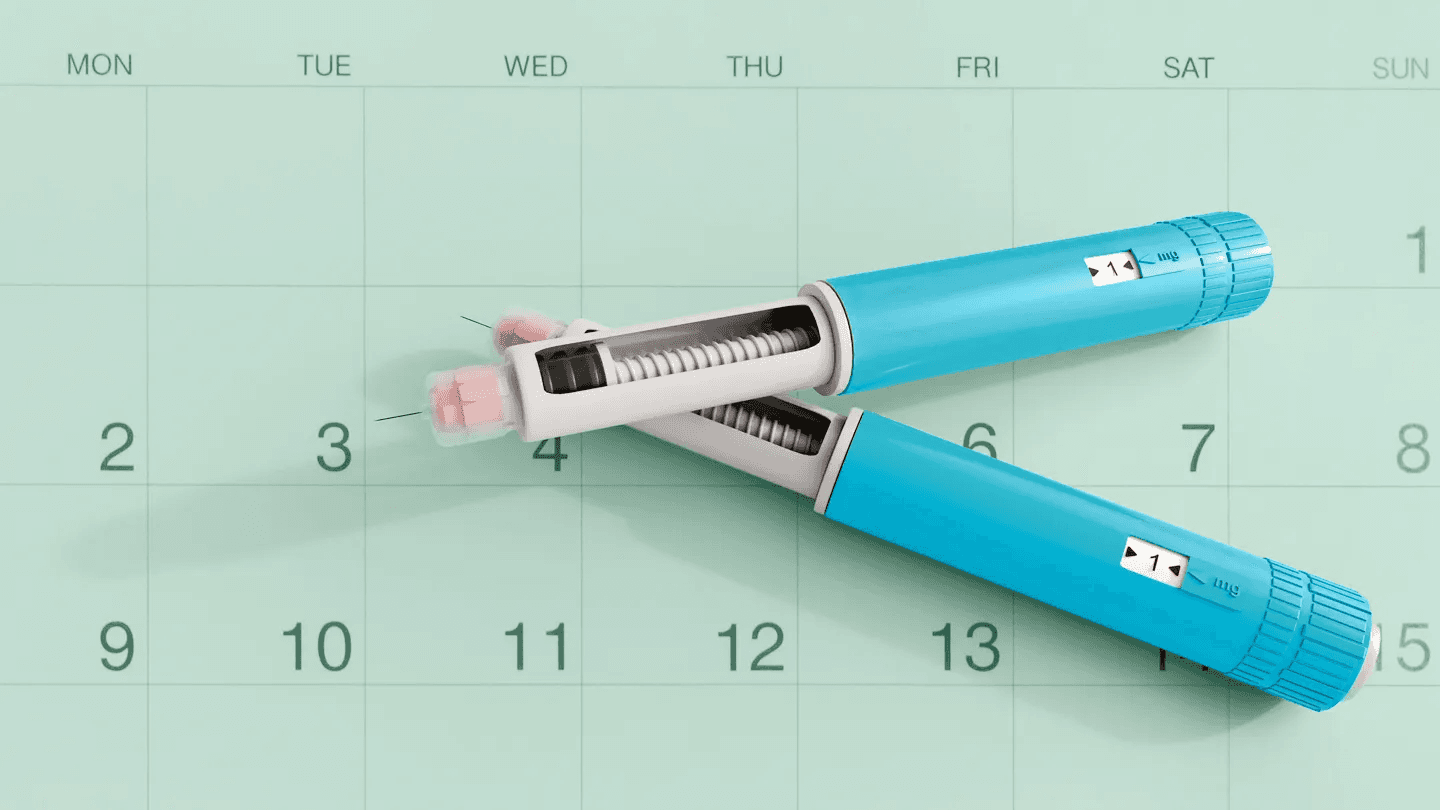
Semaglutide dosing confuses people because it comes in different forms, uses strange measurement units, and requires accuracy that most of us aren't trained for. When you're getting medicine from a vial with a syringe, the difference between milligrams and milliliters can mean the difference between a helpful dose and a risky overdose. If you also skip a week when life gets busy or double up after missing a dose, you create a situation where mistakes can occur, which could lead to an emergency room visit.
The numbers tell a clear story. The FDA has received reports of dosing errors with semaglutide, in which patients mistakenly drew up five to twenty times their prescribed dose. From January to November, poison control centers logged nearly 3,000 calls about semaglutide, which is a 15-fold increase since 2019. Most of these incidents weren't about people wanting to overdose or being careless; they were about regular people trying to manage their weight loss who just didn't know how to measure the right amount. One way to manage your dosage effectively is to use our GLP-1 app to track your intake and ensure accuracy.
What issues arise from measurement confusion?
The confusion starts with how medication is measured. When a doctor prescribes 0.5 mg of semaglutide, it may seem straightforward. However, when you hold a vial and a syringe, the measurement isn’t directly in milligrams. Instead, it's measured in milliliters of a liquid with a specific drug concentration. If a vial contains 2 mg/mL and you need 0.5 mg, draw up 0.25 mL. Mixing up those units could lead to injecting 10 times your intended dose without realizing it.
Many people receiving compounded semaglutide face this challenge weekly. Unlike pre-filled pens that click to deliver exact doses, vials require calculations, careful reading of tiny markings on a syringe, and trust in their precision. When individuals are unfamiliar with medical dosing, in poor lighting, or rushing before work, mistakes can occur. Reports to poison control centers confirm this: patients with no experience using injectable medication were the most likely to make critical errors.
How does timing affect medication effectiveness?
The weekly injection schedule can feel strict, especially when you are traveling, feeling sick, or simply forgetting to take your doses. This raises questions about whether skipping a dose matters or whether taking two doses close together can help you catch up. This flexible way of thinking, while understandable, can bring serious risks. Some users intentionally take larger doses, believing it will help them lose weight faster. Others panic after missing a dose and double up the next week. Both of these actions can cause severe side effects.
Overdose symptoms are very noticeable. According to the FDA, people may feel extreme nausea, vomiting, and stomach pain that feels like food poisoning, along with fainting, dehydration, and in severe cases, acute pancreatitis or gallstones. Many patients had to go to the hospital for IV fluids and anti-nausea medications. These individuals were not being careless; they were just trying to stay on track with their weight-loss goals and made a decision that backfired.
What challenges do compounded medications present?
Compounded semaglutide creates more confusion because it lacks the standardized delivery system found in brand-name versions. When using Ozempic or Wegovy, the pen is pre-filled with the correct dose. You just turn a dial, inject, and you're done. In contrast, compounded versions require users to act like their own pharmacists. They must calculate doses and manage sterile techniques. For those new to GLP-1 medications, the learning curve is steep, and mistakes can have immediate consequences.
The problem gets worse when people switch between formats. For example, if you started with a pre-filled pen and then switched to compounded semaglutide to save money, you might not realize how different the processes are. The pen taught you to think in clicks, not in measurements. Now, you're reviewing syringe markings, trying to remember whether 0.25 mL equals 25 units, and whether that matches your prescribed milligram dose. Without clear instructions, mistakes are almost guaranteed.
How can users better manage their medications?
When you miss a scheduled injection, it can be really tempting to make changes. You've spent money on this medication and are seeing good results. The prospect of losing progress due to a missed dose is difficult to accept. You might consider taking it a day late, combining two doses, or switching to every other week to make your supply last longer. Each of these choices has risks that many people do not fully understand until they see the results.
The medication works best when you keep steady levels in your bloodstream. Skipping a week can make those levels drop. As a result, your appetite comes back, cravings get stronger, and it feels like your progress is slipping away. When you take your next dose, your body responds more strongly because it has been longer since the last injection. This rollercoaster of medication levels can increase side effects and make it harder for the drug to control your appetite consistently.
What tools can help users track their progress?
Platforms like MeAgain's GLP-1 app help users track their injection schedules and understand how timing affects their overall progress. By viewing dose history, protein intake, and weight trends in one place, users are less likely to make impulsive decisions to skip or double doses. The app shows why consistency is important, not just for the medication, but for the overall nutrition and hydration that affects whether muscle mass is kept while losing fat. Beyond immediate health risks, dosing errors can waste time and money. If users take too much medication, they waste expensive doses and might take weeks to recover from side effects. Skipping doses inconsistently also delays reaching weight-loss goals. Frustration can build when results are not visible, leading users to question the medication's effectiveness; often, the underlying issue is inconsistent dosing.
What is the psychological impact of dosing uncertainty?
The psychological toll matters too. When you're always second-guessing whether you measured correctly, whether you should take your dose early or late, or whether missing one injection ruins everything, the mental energy needed becomes exhausting. Weight Loss is already tough. Adding the stress of managing medication without clear guidance makes the journey harder than it should be. If you're feeling symptoms that seem like an overdose or you're not sure if you've taken too much, the University of Utah Health Poison Control suggests calling 800-222-1222 right away for help. These calls are free, confidential, and answered by experts who can evaluate your situation and advise you on whether you need emergency care.
Does taking semaglutide every other week actually work?
The real question isn't just whether people can actually survive taking semaglutide every other week. More importantly, it asks whether this method helps them maintain the weight loss in the long term.
Related Reading
Can Taking Semaglutide Every Other Week Help You Keep the Weight Off?
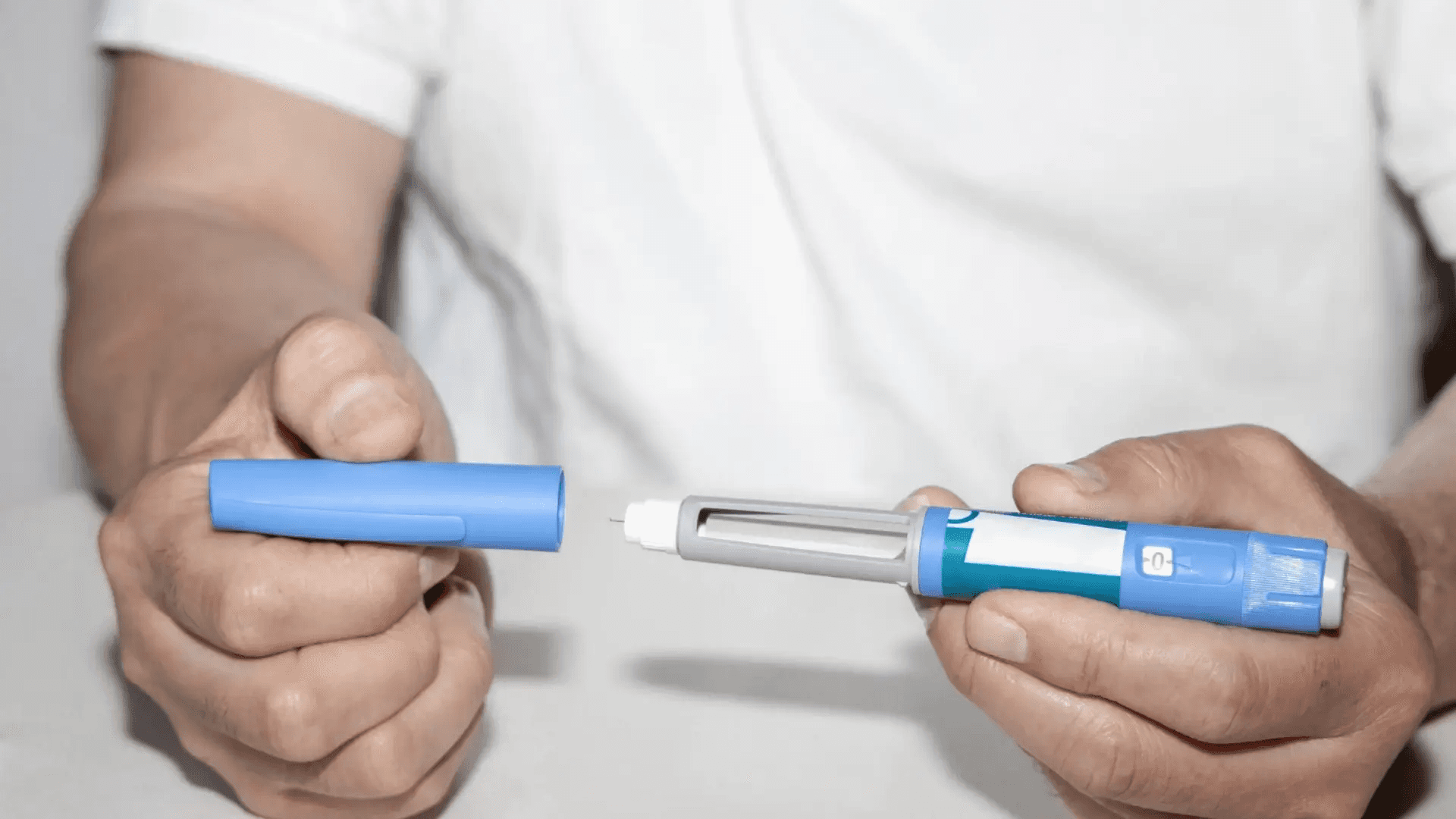
Semaglutide works by mimicking GLP-1, a hormone that helps control blood sugar and reduce hunger. For this to work well, you need steady levels of the medicine in your body, not just occasional high levels followed by low ones. By injecting it weekly, you maintain a steady-state concentration. The medicine builds up slowly, reaches the effective level, and remains there. Your body gets used to this regular pattern, which makes it easier to keep your appetite down. When you take the medication every other week, that regular pattern gets messed up. Semaglutide has a half-life of approximately seven days, which means that each week, half of the medicine leaves your body. If you wait 14 days between doses, your blood levels drop to about 25% of their peak by the time you take the next dose.
That's a big drop. It creates a situation in which your metabolism struggles to keep up. The hunger feelings that were quiet in the first week come back strongly in the second week. By the time you inject again, you are really starting over instead of just keeping up with your progress. Some mathematical models suggest that taking the medication every other week may maintain 75% of its effectiveness, but the 25% loss accumulates over time. If you are losing a quarter of the medicine's ability to curb your appetite every time, you are not only slowing down your progress, but you are also making it likely that your weight loss will stop completely. Then, keeping off the weight you have already lost becomes much harder. To maintain optimal results, consider using our GLP-1 app to closely monitor your treatment.
How does appetite control change with dosing frequency?
The consequences show up faster than most people expect. Appetite control usually stays strong for the first seven to eight days after the injection, then it starts to fade noticeably. By day 10, many users say that cravings come back with an intensity they hadn't felt in months. By day 14, the medication's control over hunger has loosened to the point that keeping a calorie deficit feels like fighting your own biology again.
What does research say about dosing protocols?
A study presented at the Obesity Week 2025 conference in Atlanta found that more than three out of four people maintained their target weight when following the recommended dosing protocols. This success rate declines when dosing is inconsistent. Weight loss plateaus occur not because the medication has stopped working, but because blood levels do not stabilize long enough to produce consistent results. Some users report slight weight gain during the off weeks, which can undermine confidence and make the process feel uncertain.
What happens to side effects with inconsistent dosing?
Side effects become less predictable with inconsistent dosing. When you take a weekly dose, your body becomes accustomed to the medication being taken at a set time. If nausea occurs, it usually follows a predictable pattern you can manage. However, when there are longer gaps between doses, that predictability goes away. Some users may initially notice reduced gastrointestinal symptoms, believing that feeling less sick means things are better. On the other hand, others could have more intense side effects when they finally take their injection again because their body is not used to the dose anymore.
Is extended dosing scientifically supported?
The pharmacology seems simple on paper. Semaglutide's seven-day half-life means the drug stays active longer than those with shorter half-lives. This might lead people to think that using it over a longer period could be effective. But, pharmaceutical modeling and patient experience tell a different story. The model tracks blood drug levels but doesn't account for how hunger hormones respond to fluctuations in drug levels. It also ignores how metabolism changes when it can't depend on steady GLP-1 signals.
What do users experience with longer dosing intervals?
Users experimenting with 10 to 11-day intervals report mixed results. Some find it manageable if they stick to their protein intake and hydration. Others say those extra days feel like a constant struggle to suppress appetite, with cravings getting stronger each day after the weekly mark. The 14-day schedule often falls short of expectations, as most people who try it revert to weekly dosing when they see the trade-off is not worth the savings or convenience. The medication starts to feel less like a dependable tool and more like something that only works part-time.
What are the risks of deviating from clinical guidelines?
No clinical trials have confirmed the efficacy of extended dosing. The NHS and NICE guidelines recommend weekly administration, based on extensive research showing it is safe and effective at that interval. Going off that schedule means acting without evidence, hoping that a person's reaction will differ from the general data that informed those guidelines. While this method is not completely irresponsible, it does not show careful decision-making.
How does insurance affect dosing decisions?
Financial reality drives many dosing experiments. Semaglutide can cost hundreds of dollars per month in many areas, and insurance coverage varies. When people pay out of pocket and see their supply run low, the temptation to stretch doses is strong. Periodic supply shortages exacerbate this pressure. If prescription refills are unreliable, extending dosage intervals may seem like the only option to avoid running out completely.
What is the impact of reduced dosing on weight maintenance?
The problem worsens when people view extended dosing as a maintenance strategy once they reach their goal weight. The idea seems reasonable: you've lost weight, your appetite is smaller than before, and you may no longer need the full weekly doses. However, keeping the weight off isn't just about needing less medicine; it’s also about keeping the metabolic conditions that help you maintain the weight you've lost. When you reduce how often you take the medication, you aren't just lowering the amount in your system. You are also taking away the hormonal support that helps you feel like you can maintain your new weight, instead of always feeling deprived.
How can users enhance their weight loss experience?
Tools like MeAgain's GLP-1 app help users see the complete picture beyond just injection timing. When users track their protein intake alongside their dosing schedule, certain patterns emerge. During weeks when users consistently meet their protein goals, hunger levels remain manageable, even if medication levels drop slightly. On the other hand, when users do not meet their protein targets, cravings come back quickly and strongly. This visibility is important because it shows where the real leverage points are. While sticking to a consistent dosing schedule provides a strong foundation, nutrition, hydration, and tracking habits determine whether that foundation leads to lasting results or just temporary success.
What psychological effects arise from inconsistent dosing?
Extended dosing doesn't just slow weight loss; it also affects how we think about the process. When dosing happens weekly with steady progress, the medication feels like a partner in the journey. However, when the time between doses is longer and progress stops, doubt can creep in. Questions may arise about how well the medication works, changes in your body, or whether mistakes were made during the process. This mental toll is significant and as heavy as the physical plateau.
How do blood sugar levels fluctuate with irregular dosing?
Blood sugar changes are more noticeable when dosing is not consistent. Semaglutide helps regulate glucose levels by increasing insulin release when blood sugar goes up. When medication levels shift from effective to ineffective every two weeks, support for regulation becomes uncertain. For people managing type 2 diabetes while trying to lose weight, these changes carry real health risks that go beyond just controlling appetite.
What issues arise from inconsistent gastrointestinal responses?
The gastrointestinal system reacts to consistency. When semaglutide levels remain stable, the digestive tract adjusts to the medication's effect on gastric emptying. However, when levels change dramatically, that adjustment does not fully happen. One week, a person might feel nauseous; the next, they may deal with constipation. This unpredictability causes different reactions to meals. Managing the medication becomes trickier, not because of any problems with it, but because the lack of stability makes side effects harder to control.
What should users know about proper dosing?
Understanding what happens when dosing breaks down is important. But this is only helpful if users also understand what proper dosing looks like in real life.
Related Reading
Can You Take Semaglutide Every Other Week For Weight Loss
How Old Do You Have To Be To Take Ozempic
How To Ask Your Doctor For Weight Loss Injections
How Semaglutide Dosing Actually Works

Proper semaglutide dosing follows a step-by-step schedule that helps the body get used to the medication while reducing side effects. According to Ozempic.com's dosing schedule, the process starts at 0.25 mg once a week for four weeks. Then, at week five, the dose increases to 0.5 mg. After that, healthcare providers may increase the dose to 1 mg, 1.7 mg, or the maximum weekly dose of 2.4 mg, depending on how each person responds. This gradual method is important; it maintains consistent blood levels that help control appetite while the digestive system adjusts to slower gastric emptying.
The pharmacology helps explain why moving too fast can cause problems. When patients increase their doses too quickly, their bodies haven’t learned to handle the medication's effects on digestion. Because of this, nausea can become very strong. Vomiting may make it hard to stay hydrated. This severe stomach distress causes many people to stop treatment altogether, not because the medication doesn’t work, but because they skipped the important adjustment time.
Why is each dose increase important?
Each dose increase serves a specific purpose in helping your body adapt to the medication. Month one at 0.25 mg introduces your system to GLP-1 receptor activation without overloading your digestive system. At month two, 0.5 mg reinforces activation as your body begins to adapt to delayed gastric emptying. By month three, when you reach 1 mg, your body has developed enough tolerance that the reduced appetite becomes stronger without the intense nausea that would have occurred if you started at a higher dose.
What is the maintenance dose?
Many people never need the maximum 2.4 mg dose. Your maintenance dose is where you achieve consistent weight loss while feeling comfortable with the medication. Some individuals find 1 mg effective, while others may need 1.7 mg to manage their appetite. The goal is not to reach a specific number; rather, it's to identify the dose at which hunger remains manageable, side effects are tolerable, and weight loss continues at a steady pace.
How does compounded semaglutide differ?
Compounded semaglutide offers more flexibility. Because it comes in vials rather than prefilled pens, providers can start you at 0.15 mg weekly and make smaller adjustments. If you are especially sensitive to GLP-1 medications or have had severe side effects with other treatments, careful control can be very important. It can be the difference between being able to handle the medication and stopping it after two weeks of discomfort.
Does injection timing matter?
Your injection day is less important than being consistent. Choose a day that fits your routine so you can manage any side effects comfortably at home. Some people choose Sunday evenings, so any nausea occurs during the weekend when they're not working. Others might choose Wednesday mornings to spread out the side effects throughout the week. Ultimately, the specific day is not crucial; consistency is what matters.
When you inject on the same day weekly, your body gets used to a regular schedule. Appetite suppression usually peaks around days two to five, then gradually decreases as your next injection approaches. That pattern becomes familiar, helping you understand when cravings may return, when meals feel most satisfying, and when you need to drink more water. If you lose that consistency by injecting at random times, you lose the chance to predict how you'll feel or plan ahead.
What role do hydration and fasting play?
Water intake and fasting windows play supporting roles. Staying well hydrated helps manage constipation, one of the most common side effects, as gastric emptying slows. Some people find that taking their injection after an overnight fast reduces nausea compared to injecting after meals. While these behaviors don't change how the medication works, they can influence how tolerable the experience feels day to day.
What health factors need monitoring?
Certain factors require medical supervision that no app or tracking system can replace. If you're over 65, kidney and liver function naturally decline with age. This decline affects how your body processes semaglutide. Your doctor needs to monitor whether standard doses are right for you or if you need adjustments based on how well your kidneys filter the medication. Existing health conditions completely change the dosing equation. For example, kidney disease slows the clearance of medications from your body. This might mean you need lower doses to avoid too much of the drug building up.
Diabetes medications can interact with how semaglutide affects blood sugar, which might require insulin adjustments as your glucose control improves. Gastrointestinal conditions such as gastroparesis can worsen with GLP-1 medications, as these further slow stomach emptying. These aren't just theoretical risks; they are real complications that need a doctor’s judgment to handle safely.
Why do drug interactions matter?
Drug interactions matter more than most people realize. Medications that affect kidney function, alter stomach acidity, or compete for the same metabolic pathways can affect how much semaglutide your body absorbs and how long it works. Your doctor needs a full list of your medications, including supplements and over-the-counter drugs, to determine whether semaglutide is safe for you and what dose is appropriate with everything else you're taking.
Genetics influences how people respond to medication, and this is still being researched. Some people break down semaglutide faster, needing higher doses to keep the right levels. On the other hand, some people process it slowly, feeling stronger effects at lower doses. Your doctor monitors your response over time, assessing the rate of weight loss, side effects, and how your body indicates whether the current dose is effective or requires adjustment.
What to do if you miss a dose?
If you miss your scheduled injection, the 48-hour rule applies. If your next dose is more than 48 hours away, take the missed dose immediately and resume your regular schedule. If your next dose is due in less than 48 hours, skip the missed dose and inject on your usual day. Never double up; do not try to make up for it by taking extra medication, as the risks are greater than any potential benefit.
This protocol is based on the half-life of semaglutide. Taking a dose too close to your next scheduled injection can cause overlapping peaks in blood concentration. This overlap can lead to increased nausea, vomiting, and stomach distress without helping to reduce your appetite. Essentially, you are overdosing yourself while trying to stick to your schedule, and the safer choice is to accept the missed dose and move on.
Why do people feel anxious about missing doses?
People struggle with this because missing a dose feels like a failure. You've spent money, dealt with side effects, noticed progress, and now you've messed up the routine. The worry about losing your progress makes you want to break the rules. But medication safety is a must. One missed dose won't erase your progress. Taking two doses within 48 hours might send you to urgent care for dehydration from uncontrollable vomiting.
How can tracking help with semaglutide management?
Most people managing GLP-1 medications find that tracking injection timing alongside protein intake and hydration reveals patterns they might miss otherwise. For example, during the weeks when you get 100 grams of protein a day, your hunger stays controlled even as your injection date gets closer. On the other hand, when your protein intake drops, cravings return more quickly and are more intense. MeAgain's GLP-1 app brings all this tracking together in one spot, allowing you to see how dosing consistency, nutrition, and progress connect. Seeing these relationships helps reduce the risk of panic after missing a dose, preventing you from making quick decisions to change your schedule without consulting a doctor.
What does reaching a maintenance dose mean?
Reaching your maintenance dose doesn't mean you're done; it indicates you've found the level at which weight loss continues without unacceptable side effects. For some people, this might be 0.5 mg weekly, while for others, it might be the full 2.4 mg. The exact number does not mean success or failure. What really matters is whether you're losing weight at a sustainable pace while keeping your muscle mass, energy levels, and overall quality of life.
Are different maintenance doses effective?
Maintenance doses of 0.5 mg, 1 mg, or 2 mg are all effective when matched to each person's response. Your body's sensitivity to GLP-1 receptor activation can vary based on factors your doctor assesses. These factors include baseline insulin resistance, starting weight, metabolic rate, and the strength of your appetite hormones in response to calorie restriction. Higher doses are not always better; a lower dose may deliver the same results with fewer side effects.
How does weight loss affect dosing?
Maintenance isn't static. As people lose significant weight, their metabolic needs change. Some people find they need dose adjustments after losing 30 or 40 pounds because their body's response to the medication has shifted. In contrast, others maintain the same dose throughout their weight-loss journey. Regular check-ins with your provider are crucial to ensure you are not on a dose that is too high, which could cause unnecessary side effects, or too low, which could stall weight loss when a small increase would restart progress.
Why is proper dosing tracking essential?
Understanding proper dosing is important, but its significance lies in tracking whether it contributes to overall success. Monitoring how dosing affects the broader picture enables informed adjustments and optimizations.
Track Every Dose, Maximize Your Weight Loss Results with MeAgain
Taking semaglutide safely requires consistency that most people underestimate. Skipping doses or stretching intervals to every other week slows progress, increases side effects when you finally inject again, and makes results hard to predict. The medication only works when blood levels remain steady, and that steadiness depends on weekly injections, along with nutrition and hydration habits that determine whether you lose fat or muscle.
Most people track their injection schedule using phone reminders or paper calendars, treating it as a separate task from other factors that affect results. This method works until you miss a dose and can't remember if it was nine days ago or eleven, or until you realize your weight loss stopped three weeks ago but can't figure out what changed. When your dosing history, protein intake, water consumption, and progress tracking are in different places, you lose the ability to see patterns that explain why some weeks feel easy while others feel like a battle against hunger.
Platforms like MeAgain's GLP-1 app combine injection scheduling with the complete context your body needs to respond. You can log your weekly dose, track protein and fiber intake to maintain muscle mass, monitor hydration to help manage constipation, and visualize how these factors connect to your weight trends. When you can see that the weeks you hit 100 grams of protein daily match the weeks in which cravings stayed under control, you understand what's working beyond just the medication itself. The Journey Card logs every milestone, turning adherence into something you can measure and celebrate rather than something you hope you're doing correctly.
The real power isn't just in tracking; it's about turning consistency into a system that feels manageable instead of overwhelming. When your injection reminder includes context on your last dose, your protein goal for the day, and how close you are to your weekly hydration target, you're not just reminded to inject. You're seeing the full picture of how this medication works.
That visibility matters because weight loss isn't about perfection. It's about catching patterns early, adjusting before small mistakes become big setbacks, and keeping the habits that maintain lost weight for good. Download MeAgain today and turn your weight loss journey into a system you can follow with confidence: consistent dosing, tracked progress, and the support to make every injection count toward lasting results.
Related Reading
Best Place To Get Wegovy Online
Best Place To Buy Tirzepatide Online
503a Pharmacy Tirzepatide
Best Place To Get Mounjaro
Top Semaglutide Providers
Cost Of Oral Wegovy
Best Place To Get Semaglutide
Microdosing Glp 1
Tirzepatide Compound Cost