
lifestyle
Tirzepatide Maintenance Dose After Weight Loss Success

Ana Reisdorf, MS, RD - GLP-1 expert
Feb 13, 2026
You've worked hard to reach your weight loss goals with tirzepatide, and now you're facing a question that matters just as much as the initial journey: what happens next? Many people achieve success during the active weight-loss phase, only to struggle to maintain their results once they reach their target weight. Finding the right tirzepatide maintenance dose is the bridge between temporary success and lasting transformation, helping you maintain your progress without the risk of weight regain or side effects that don't align with your current needs.
That's where MeAgain's GLP-1 app steps in to guide you through this transition. The app helps you track your response to different dosing schedules, monitor how your body adjusts after weight loss, and provides personalized insights that take the guesswork out of maintenance. Instead of wondering whether you're on the right path, you'll have clear data and support to help you sustain your results safely while feeling your best.
Summary
Maintenance dosing for tirzepatide isn't universal because bodies respond differently to the medication. Some people maintain their weight loss on 5mg weekly, while others need 10mg or 15mg to keep their appetite regulated without triggering side effects. The highest dose doesn't equal the best outcome. Finding your maintenance level means balancing enough medication to counter your body's resistance to weight loss without creating persistent nausea, fatigue, or digestive issues that make long-term adherence impossible.
Weight regain after stopping tirzepatide happens quickly and predictably. People who discontinue the medication abruptly typically regain 14% of their lost body weight within months as hunger hormones spike and metabolism slows to conserve energy. This isn't a willpower failure. When you lose weight, your body increases ghrelin (hunger hormone) and decreases leptin sensitivity (fullness signals) to restore lost fat. These biological adaptations persist long after reaching goal weight, which is why maintenance dosing prevents regain more effectively than stopping treatment.
Muscle loss during weight loss undermines maintenance success if protein intake drops below 0.8 grams per pound of goal body weight. Tirzepatide's appetite suppression makes it easy to under-eat protein without realizing it, causing your body to break down muscle tissue for amino acids. Two people can lose the same amount of weight, but the person who preserved muscle through adequate protein and resistance training will have a faster metabolism and a lower risk of regaining weight because muscle tissue burns more calories at rest than fat does.
Insurance coverage gaps create impossible choices that sabotage maintenance. Some plans cover tirzepatide for type 2 diabetes but not weight management, or they change formularies mid-treatment. When coverage lapses, people face paying hundreds or thousands of dollars per month to continue coverage, or stopping abruptly and risking coverage loss. This disconnect between viewing obesity as a chronic metabolic condition versus an optional cosmetic concern creates real harm, forcing people into cycles of loss and regain that are metabolically damaging and emotionally exhausting.
Structured daily habits matter more during maintenance than medication dose alone. Reaching goal weight doesn't mean you can stop tracking protein, weighing yourself, or logging water intake. People who maintain results over the long term don't have better willpower. They maintain the systems that created success: consistent protein tracking, regular resistance training, adequate fiber and hydration, and careful monitoring during dose changes. The medication regulates appetite and metabolic signals, but it can't compensate when the daily infrastructure that supports those effects breaks down.
MeAgain's GLP-1 app helps track protein, fiber, hydration, and medication doses in one place, revealing patterns you might not notice otherwise, such as days when protein drops below target or periods when water intake falls short.
Is There a "Standard" Tirzepatide Maintenance Dose?
There isn't a universal maintenance dose that works for everyone on tirzepatide. Your maintenance dose depends on how your body responds to the medication, what side effects you experience, and how well your appetite stays regulated at different levels. Some people maintain their results on 5mg weekly, while others need 10mg or 15mg to feel stable and in control.
Most people assume there's a single maintenance dose everyone eventually reaches, like a finish line you cross after hitting your goal weight. The reality is more nuanced. Tirzepatide dosing is individualized because bodies respond differently. The highest dose doesn't equal the best long-term outcome. Maintenance is about sustainability, not just maximum weight loss. It's about finding the dose that keeps your appetite steady and your energy consistent without side effects that make daily life harder.
This matters because staying on a dose that's too high for your needs creates unnecessary friction. Persistent nausea, digestive discomfort, or fatigue aren't badges of commitment. They're signals that your body might do better at a lower level. On the other hand, dropping too low too quickly can trigger the hunger and cravings that make weight regain feel inevitable. The goal is balance: enough medication to counter your body's natural resistance to weight loss, but not so much that the side effects become their own problem.
Why the highest dose isn't always the answer
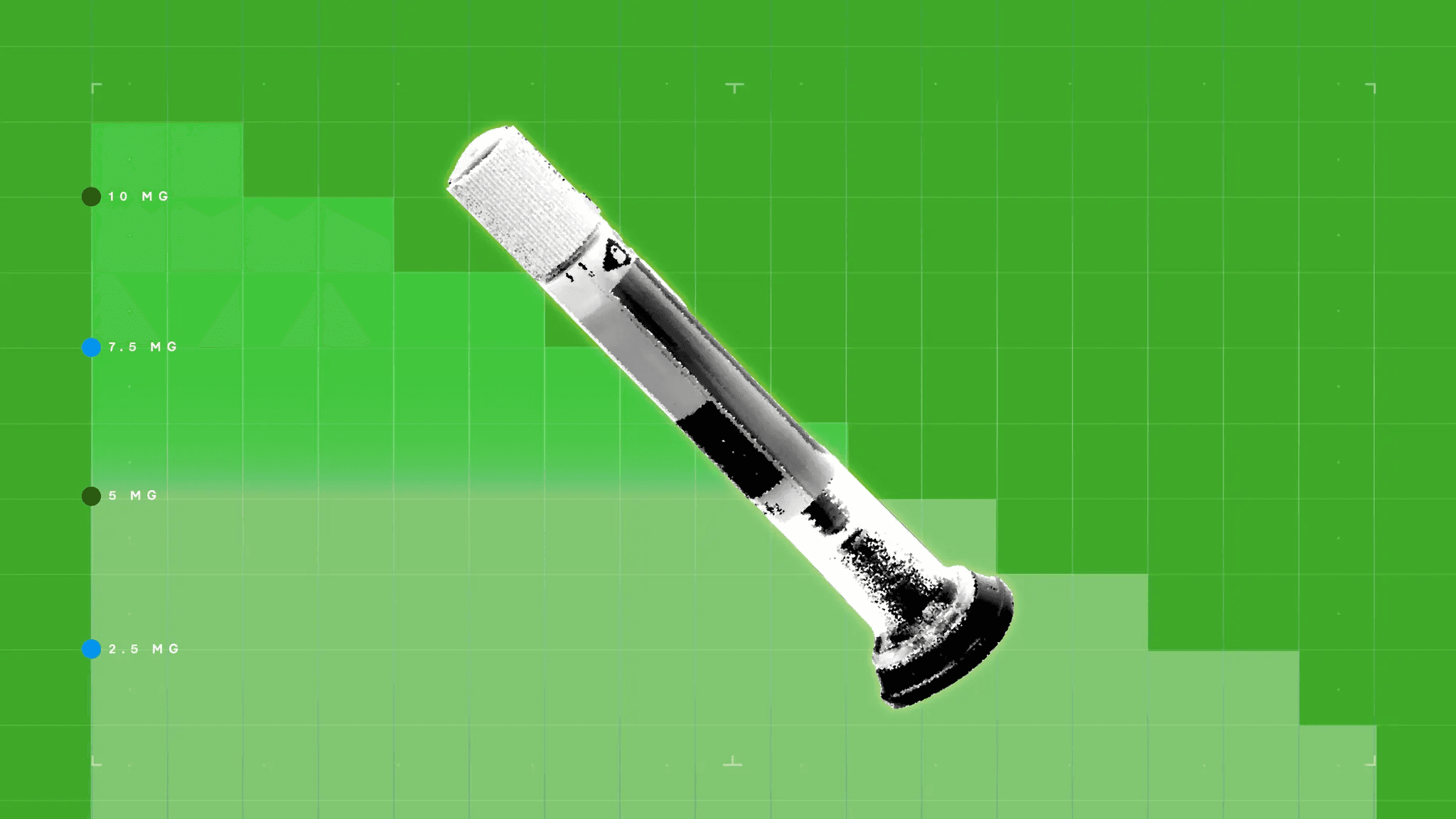
When you first start tirzepatide, you follow a gradual escalation schedule. You begin at 2.5mg, then move to 5mg, 7.5mg, 10mg, 12.5mg, and potentially up to the maximum of 15mg. This titration process helps your body adjust and lets your doctor observe how you respond at each level. But here's what many people miss: the dose that gets you to your goal weight isn't necessarily the dose that keeps you there.
According to research published in the journal Trials, studies involving 26 participants have examined how tirzepatide affects metabolic processes beyond simple weight loss, including activation of brown and beige adipose tissue. This points to a deeper truth: tirzepatide works through multiple biological pathways, and your optimal dose depends on how those pathways respond in your specific body, not just how much weight you've lost.
The 15mg maximum maintenance dose works well for some people. For others, it's overkill. If 10mg keeps your appetite regulated and your blood sugar stable without significant side effects, staying at 15mg doesn't add value. It just increases your risk of nausea, diarrhea, or constipation, which makes the medication harder to sustain long-term. The right dose is the one that gives you control without making you feel controlled by the medication itself.
What your doctor considers when setting your maintenance dose
Your maintenance dose isn't chosen arbitrarily. Your doctor evaluates several factors: how well the medication suppresses your appetite at different levels, what side effects you've experienced during titration, your overall health history, whether you have type 2 diabetes or other metabolic conditions, and how your body composition has changed. They're looking for the sweet spot where the medication does its job without creating new problems.
Some people find that sweet spot at 5mg. Their appetite stays manageable, their energy feels stable, and they don't experience the digestive issues that surfaced at higher doses. Others need 10mg to maintain that same level of control. A smaller group genuinely benefits from staying at 15mg because lower doses don't provide enough appetite regulation to prevent regain. None of these outcomes is better or worse. They're just different responses to the same medication.
Many people worry that staying on a high dose longer than necessary means they're somehow failing at maintenance. The opposite concern also arises: fear that reducing the dose will trigger immediate weight regain. Both anxieties stem from the same misconception, that there's a right answer everyone should reach. The truth is that maintenance dosing depends on how your body responds, not just how much you've lost. Your doctor's job is to help you find the dose that feels sustainable, not to push you toward a predetermined target.
When side effects signal it's time to adjust
Persistent side effects are your body's way of telling you something isn't working. If you're on 15mg and dealing with ongoing nausea, stomach pain, or fatigue that interferes with daily life, that's not a sign you need to push through. It's a signal that a lower dose might serve you better. The goal of maintenance is to regulate your appetite while minimizing discomfort. If the medication makes you feel worse than the weight you lost made you feel, the balance is off.
This is where many people get stuck. They fear that reducing their dose means giving up progress. But maintenance isn't about white-knuckling your way through side effects to prove commitment. It's about finding a dose you can live with long term. If 10mg gives you 90% of the appetite control with half the digestive issues, that's a better maintenance strategy than staying at 15mg and feeling miserable.
The body's natural fight against weight loss is real. When you lose weight, your metabolism slows, your hunger hormones increase, and your body actively works to restore lost fat. That's not a personal failure. It's biology. A maintenance dose helps counter those forces by keeping appetite regulated and metabolism more stable. But it only works if you can actually sustain it. A dose that makes you feel sick isn't sustainable, no matter how effective it is on paper.
Platforms like MeAgain's GLP-1 app help you track how your body responds to different doses over time. You can log side effects, appetite levels, energy, and how you feel day-to-day. That data gives you and your doctor a clearer picture of whether your current dose is working or whether an adjustment might help you feel better without sacrificing control. Instead of guessing whether a lower dose will work, you have evidence to guide the decision.
The cost and coverage question nobody wants to face
Insurance coverage and costs add another layer of complexity to maintenance dosing. Some insurance plans cover tirzepatide for type 2 diabetes (Mounjaro) but not for weight management (Zepbound), or they impose strict prior authorization requirements that make access unpredictable. Others cover it initially but change formularies mid-treatment, forcing people to either pay out of pocket or stop abruptly. The fear of losing access shapes how people think about maintenance, often in ways that don't serve their health.
This creates a painful dilemma. If you're on 15mg and your insurance suddenly stops covering it, you face an impossible choice: pay hundreds or thousands of dollars per month to continue, or stop cold turkey and risk regaining the weight you worked so hard to lose. That's not a choice anyone should have to make. Yet it happens often enough that many people live with constant anxiety about whether their access will disappear.
The reality is that obesity requires lifelong management for many people, just like type 2 diabetes or hypertension. But insurance companies don't always treat it that way. They view weight loss medications as optional or cosmetic rather than as treatment for a chronic metabolic condition. That disconnect creates real harm. People who lose significant weight on tirzepatide and then lose access often regain an average of 14% of their lost body weight. The cycle of loss and regain isn't just frustrating. It's metabolically damaging and emotionally exhausting.
Finding a maintenance dose that works for you also means finding a dose you can afford and access reliably. If 10mg is covered by your insurance but 15mg isn't, and 10mg keeps your appetite controlled, that's a practical consideration. The best dose on paper doesn't help if you can't sustain it financially or logistically.
But how does your body actually know when it's reached the right maintenance level, and what happens physiologically when you adjust your dose?
Related Reading
How Tirzepatide Maintenance Dosing Actually Works
Maintenance dosing begins when your weight stabilizes, your appetite is consistently regulated, and your metabolic markers (such as blood sugar or hemoglobin A1c) remain stable without further adjustment. It's not a calendar date or a specific number on the scale. It's the point at which your body stops responding to further increases and settles into a new equilibrium. Some people reach this at 5mg weekly. Others need 10mg or 15mg to maintain that same level of control. The dose itself matters less than whether it keeps your hunger manageable and your energy stable without side effects that erode your quality of life.
After weight stabilization
Once your weight plateaus for several weeks, your doctor evaluates whether your current dose is sustainable long term. This isn't about pushing for more weight loss. It's about determining whether the dose you're on can prevent regain without creating friction in your daily life. If you're at 15mg and feeling persistent nausea or fatigue, that's not a sustainable maintenance strategy. If you're at 10mg and your appetite stays controlled, that might be exactly where you need to stay.
According to research published in the journal Trials, studies involving 26 participants have examined how tirzepatide affects metabolic processes beyond simple weight loss, including activation of brown and beige adipose tissue. This reinforces an important truth: maintenance isn't just about keeping the scale steady. It's about supporting the metabolic changes that prevent your body from fighting to regain lost weight. Your maintenance dose needs to be high enough to sustain those changes, but not so high that side effects make adherence impossible.
Weight stabilization doesn't mean your body has stopped resisting. This indicates the medication is effectively countering that resistance at your current dose. When you lose weight, your body increases hunger hormones like ghrelin and decreases satiety signals. Your metabolism slows to conserve energy. These adaptations don't disappear when you hit your goal weight. They persist, sometimes for years. That's why maintenance dosing isn't optional for most people. It's the tool that keeps those biological forces in check.
Once the target range is reached
Reaching your target weight is a milestone, but it's also a transition point. Your doctor will assess whether your current dose is the appropriate maintenance level or warrants adjustment. Some people assume they should stay at their highest tolerated dose to prevent rebound. Others expect to taper down immediately. Neither assumption is universally correct. The decision depends on how your body responds, what side effects you've experienced, and whether your appetite regulation remains stable at lower doses.
Many people fear that reducing their dose after reaching goal weight will trigger immediate regain. That fear isn't irrational. Weight regain is common when medications are stopped abruptly. But dose reduction under medical supervision isn't the same as stopping cold. If your appetite remains controlled at 10mg and you've been tolerating 12.5mg with persistent nausea, reducing to 10mg may improve adherence without compromising results. The goal is to find the lowest effective dose, not to stay at the highest tolerated dose.
Your target range matters more than a single number. If you aimed to lose 50 pounds and you've lost 48, that's functionally the same outcome. Focusing on the last two pounds while dealing with side effects at a higher dose doesn't support your long-term success. Maintenance is about sustainability, not perfection. If 10mg keeps you within five pounds of your goal and 15mg gets you two pounds closer but makes you feel miserable, the math isn't hard. The dose that lets you live your life without constant discomfort wins.
When appetite and metabolic markers stabilize
Your body signals when it's reached a maintenance state. Your appetite feels predictable rather than erratic. You're not fighting constant cravings or feeling ravenous between meals. Your blood sugar levels (if you're monitoring them) stay within a healthy range without wild fluctuations. Your energy feels consistent rather than crashing mid-afternoon or requiring caffeine to function. These markers tell your doctor more than the scale does. They indicate whether your current dose is working at a metabolic level, not just suppressing appetite through sheer force.
If your hemoglobin A1c drops from prediabetic levels to the normal range and stays there for several months, that's a sign your maintenance dose is effective. If your fasting blood sugar remains stable without additional medication adjustments, that's another indicator. These metabolic improvements matter because they reduce your risk of developing type 2 diabetes, cardiovascular disease, and other weight-related health conditions. Maintenance dosing isn't vanity. It's disease prevention.
Some people experience metabolic stabilization at lower doses than they expected. If you titrated up to 15mg during active weight loss but your appetite and blood sugar remain stable when you drop to 12.5mg, that's valuable information. It suggests your body has adapted to the weight loss and no longer requires the highest dose to maintain results. Other people find the opposite: reducing from 15mg to 12.5mg triggers hunger and blood sugar spikes within weeks. Both outcomes are normal. They just require different maintenance strategies.
Tracking how your body responds to different doses requires more than memory. Platforms like MeAgain's GLP-1 app let you log appetite levels, energy, side effects, and blood sugar readings alongside your weekly injections. That data creates a clear picture of whether your current dose is working or whether an adjustment might help. Instead of guessing whether a change in hunger is temporary or a pattern, you have evidence. That evidence helps your doctor make informed decisions about dose adjustments rather than relying on guesswork.
Dose adjustment possibilities
Not everyone stays at their peak titration dose. Some people remain at 15mg because lower doses don't provide adequate appetite control. Others reduce to 10mg or even 7.5mg and maintain their results without issue. A smaller group extends their dosing intervals under provider guidance, moving from weekly injections to every 10 days or biweekly. These adjustments aren't failures or shortcuts. They're individualized strategies based on how your body responds.
Extending dosing intervals is less common but sometimes effective for people who experience strong appetite suppression that lasts beyond seven days. If you inject 10mg on Monday and your appetite doesn't return until the following Thursday, you might not need weekly dosing. Your doctor might trial a 10-day interval to see if control remains consistent. This approach reduces medication exposure and cost while maintaining efficacy. It doesn't work for everyone, but for those who respond well, it's a practical option.
Reducing your maintenance dose is appropriate once your body has adapted to the weight loss and no longer requires the same level of pharmacological support to prevent regain. If you lost 60 pounds while titrating to 15mg but your appetite remains controlled when you drop to 12.5mg, staying at 15mg adds no benefit. The higher dose just increases your risk of side effects without improving outcomes. Your doctor evaluates this by monitoring your weight, appetite, and metabolic markers over several weeks after a dose reduction. If everything stays stable, the lower dose becomes your new maintenance level.
Some people never reduce their dose. They reach 15mg, maintain their weight loss, and stay there indefinitely because lower doses don't provide the same control. That's not a sign of dependence or failure. It's a sign that their body requires that level of support to counter the biological forces driving weight regain. Obesity is a chronic condition for many people, and chronic conditions often require ongoing treatment. Expecting to taper off tirzepatide after reaching goal weight is like expecting someone with hypertension to stop blood pressure medication after their numbers improve. The medication is what's keeping the numbers stable.
Provider-directed decisions
Dose adjustments are always provider-directed, not patient-initiated. You might notice patterns in your appetite or side effects, but your doctor interprets them in the context of your overall health, metabolic markers, and treatment goals. If you're experiencing persistent nausea at 15mg, your doctor might reduce you to 12.5mg and monitor for changes. If your weight starts creeping up at 10mg, they might increase you to 12.5mg. These decisions are based on clinical judgment, not guesswork.
Your doctor considers several factors when adjusting your maintenance dose. How long have you been at your current dose? Are side effects persistent or intermittent? Has your weight been stable for weeks or months? Are your blood sugar levels consistent? Have you made lifestyle changes that may reduce your need for medication? These questions guide the decision-making process. A dose adjustment isn't a reaction to a single bad week. It's a strategic change based on sustained patterns.
Some people push for higher doses because they fear regaining, even when their current dose is working. Others push to taper down quickly because they want to prove they can maintain without medication. Both impulses are understandable but potentially counterproductive. Your maintenance dose should be determined by what your body needs, not what you wish it needed. Accepting that you might require ongoing medication support isn't resignation. It's pragmatism.
What research suggests
Continuing treatment improves weight-maintenance outcomes compared with stopping abruptly. According to a Phase 3b trial on tirzepatide maintenance dosing, patients who remain on treatment maintain their weight loss more effectively than those who discontinue treatment. Stopping tirzepatide after reaching goal weight typically results in gradual weight regain as hunger hormones rebound and metabolic adaptations reverse. Gradual dose adjustments under medical supervision allow your body to adapt without triggering the rapid regain that follows abrupt discontinuation.
The difference between gradual adjustment and abrupt stopping matters. If you've been on 15mg for six months and drop to 10mg over a few weeks while monitoring your response, your body has time to adjust. If you stop completely because you assume maintenance means no medication, your appetite and metabolism shift rapidly. Most people who stop abruptly regain a significant portion of their lost weight within months. That's not willpower failure. It's biology reasserting itself without pharmacological support.
Maintenance isn't passive. It requires support for an active lifestyle: consistent protein intake, regular physical activity, adequate hydration, and adequate sleep. The medication regulates appetite and supports metabolic health, but it doesn't replace the daily habits that sustain weight loss. People who combine maintenance dosing with structured lifestyle habits maintain their results more effectively than those who rely on medication alone. The medication creates the conditions for success. Your daily choices determine whether you capitalize on those conditions.
But what happens when those daily habits slip, or when life circumstances make maintenance harder than expected?
Related Reading
Can You Take Semaglutide Every Other Week For Weight Loss
How Old Do You Have To Be To Take Ozempic
What Happens If Maintenance Isn’t Managed Properly?
Maintenance failures don't announce themselves. They creep in gradually through small, seemingly harmless choices that compound over weeks and months. You drop your dose too quickly because you're eager to prove you can maintain without help. You skip protein tracking because you feel confident in your habits. You stop logging your injections because the routine feels automatic. Then one morning, you wake up ravenous, and that hunger doesn't fade after breakfast. Within weeks, you've regained ten pounds and can't pinpoint exactly when control slipped away.
The gap between reaching goal weight and maintaining it permanently is where most people stumble. Not because they lack discipline, but because they misunderstand what maintenance requires. The medication suppresses appetite and regulates metabolic signals, but those effects depend on consistent dosing and supportive habits. When either element falters, your body's biological resistance to weight loss resurfaces quickly.
Dropping the dose too quickly
Your body adapts to tirzepatide gradually during titration. It also needs time to adjust when you reduce your dose. Dropping from 15mg to 7.5mg in a single step shocks your system. Hunger hormones that were suppressed at the higher dose rebound faster than your body can recalibrate. Appetite surges back, often stronger than before you started medication, because your body interprets rapid dose reduction as a threat to its energy reserves.
According to Snapfix research, reactive maintenance can cost up to 3 times as much as preventive maintenance. That principle applies beyond industrial systems. Reacting to weight regain after dropping your dose too quickly costs more effort, time, and emotional energy than maintaining a stable dose that prevents regain in the first place. The short-term discomfort of staying at a slightly higher dose beats the long-term struggle of losing the same weight twice.
Many people rush dose reduction because they want to prove they can maintain without much medication support. That impulse is understandable but counterproductive. Your maintenance dose should be determined by what keeps your appetite regulated and your weight stable, not by what you wish you needed. If 10mg prevents regain and 7.5mg triggers hunger within days, the answer is clear. Maintenance isn't about minimizing medication. It's about sustaining results.
Stopping medication abruptly
Stopping tirzepatide cold creates metabolic whiplash. Your body spent months adapting to appetite suppression and improved insulin sensitivity. When you remove that support suddenly, ghrelin (your hunger hormone) spikes, leptin sensitivity drops, and your metabolism slows to conserve energy. These changes happen within days, not weeks. The result feels like constant hunger paired with rapid weight regain, often concentrated around your midsection, where metabolic dysfunction shows up first.
People stop abruptly for different reasons. Insurance coverage ends. Side effects become unbearable. They assume reaching goal weight means they're cured. Some stop because they fear long-term dependence, as if needing ongoing treatment signals personal failure. But obesity is a chronic metabolic condition for many people, not a temporary state that resolves once you hit a target weight. Expecting to maintain without support after stopping is like expecting blood pressure to stay normal after discontinuing hypertension medication.
One person described their experience after stopping Zepbound due to insurance issues: they gained weight back within months despite trying to maintain the same eating habits. The medication wasn't just suppressing appetite. It was countering the biological forces that drive regeneration. Without it, those forces reasserted themselves quickly. That's not willpower failure. Its physiology responds predictably to the removal of pharmacological support.
Under-eating protein leads to muscle loss
Protein intake becomes non-negotiable during maintenance. When you lose weight on tirzepatide, you lose both fat and lean muscle mass unless you actively protect muscle through adequate protein and resistance training. If you drop below 0.8 grams of protein per pound of goal body weight, your body starts breaking down muscle tissue to meet its amino acid needs. Muscle loss slows your metabolism, reduces your strength, and makes regaining more likely because muscle tissue burns more calories at rest than fat tissue does.
The appetite-suppressing effect of tirzepatide is twofold. You feel less hungry, which helps create a calorie deficit. But that same suppression makes it easy to under-eat protein without realizing it. You skip breakfast because you're not hungry. Lunch is a small salad. Dinner is reasonable but not protein-focused. By day's end, you've consumed 40 grams of protein when your body needed 120 grams to preserve muscle. Repeat that pattern for weeks, and your body composition shifts in the wrong direction.
Muscle preservation during weight loss determines how sustainable your results are. Two people can lose the same amount of weight, but the person who maintains muscle mass through adequate protein and strength training will have a faster metabolism, better insulin sensitivity, and a lower risk of regaining weight. The person who lost significant muscle along with fat will struggle more during maintenance because their body now requires fewer calories to function. That metabolic disadvantage makes every meal feel like a tightrope walk between eating enough to feel satisfied and eating too much to maintain weight.
Ignoring fiber and hydration creates GI issues
Tirzepatide slows gastric emptying, which helps you feel full longer but also increases the risk of digestive issues if you don't support gut function. Fiber and water keep things moving. Without adequate fiber (25-30 grams daily), constipation becomes chronic and uncomfortable. Without enough water (at least 64 ounces daily), your digestive system struggles even more. These aren't minor inconveniences. Persistent GI discomfort can lead people to stop or reduce their medication prematurely, undermining maintenance before it starts.
The same appetite suppression that supports weight loss can make it easy to neglect hydration. You don't feel as thirsty as you used to. You forget to drink water between meals because hunger isn't reminding you to pay attention to your body's signals. Dehydration exacerbates constipation, triggers headaches, and worsens fatigue. The solution is simple but requires intentional effort: track your water intake alongside your injections.
Fiber works differently than most people expect. Soluble fiber (from oats, beans, and fruits) slows digestion and helps regulate blood sugar. Insoluble fiber (from vegetables, whole grains, and nuts) adds bulk to stool and prevents constipation. You need both types, and you need them daily. If your diet consists mostly of lean protein and low-fiber foods, your gut suffers. Adding a fiber supplement helps, but whole food sources provide additional nutrients and satiety that supplements can't match.
Platforms like MeAgain's GLP-1 app help you track protein, fiber, and hydration alongside your medication doses. Most people underestimate how much they're actually consuming until they log it consistently. That data reveals patterns you wouldn't notice otherwise: days when protein drops below target, stretches when water intake falls short, or weeks when fiber intake barely reaches half of what your body needs. Awareness creates accountability, and accountability creates consistency.
Losing structured habits once the goal weight is hit
Reaching goal weight feels like crossing a finish line. The relief is real. The temptation to relax your habits is strong. You stop weighing yourself daily because you trust the process. You quit logging meals because tracking feels tedious after months of discipline. You skip resistance training sessions because you've already lost the weight. Within weeks, the structure that supported your success dissolves, and you're left navigating maintenance without the systems that got you there.
The truth nobody wants to hear: maintenance requires the same habits that led to weight loss, applied consistently over time. The medication regulates appetite, but it doesn't track your protein intake. It doesn't remind you to drink water. It doesn't schedule your workouts. Those tasks fall to you, and when you stop doing them, the medication alone can't compensate. People who maintain their results over the long term don't have better willpower. They have better systems.
Structured habits feel restrictive until you realize they're what create freedom. When you track your protein intake daily, you don't have to worry about whether you're eating enough. When you log your water intake, you don't second-guess your hydration. When you weigh yourself consistently, small fluctuations don't trigger panic because you understand normal variation. The habits aren't punishment. They're the infrastructure that makes maintenance feel manageable instead of chaotic.
The regain risk
Weight regain after stopping or mismanaging maintenance isn't a personal failure. It's a predictable biological response. When you lose weight, your body increases hunger hormones and decreases satiety signals to restore lost fat. Your metabolism slows to conserve energy. These adaptations persist long after you reach goal weight. According to Snapfix research, poor maintenance management can reduce equipment lifespan by up to 30%. The parallel holds: poor maintenance of your weight loss reduces how long your results last.
The average person who stops tirzepatide abruptly regains 14% of their lost body weight within months. That number represents real people who worked hard, reached their goals, and then watched their progress slip away because they didn't understand the required maintenance. The regain isn't evenly distributed across your body. It focuses on your midsection, where metabolic dysfunction is most visible. That visceral fat carries higher health risks than subcutaneous fat elsewhere.
Appetite hormones rebound faster than most people expect. Ghrelin, which signals hunger, increases significantly after weight loss. Leptin, which signals fullness, becomes less effective. Your brain interprets these hormonal shifts as starvation, even though you're eating adequate calories. This mismatch between perceived need and actual need drives overeating. The medication counters these hormonal changes, but only if you maintain a dose high enough to keep them regulated.
The real maintenance formula
Maintenance isn't mysterious. It's consistent execution of four core habits: adequate protein intake, regular resistance training, sufficient fiber and hydration, and careful monitoring during dose changes. None of these habits is optional. They work together to preserve muscle mass, support metabolic health, prevent digestive issues, and give you early warning when something shifts.
Protein intake matters more during maintenance than during active weight loss. Your body needs amino acids to preserve muscle tissue, especially as you age or if your activity level decreases. Aim for at least 0.8 grams per pound of goal body weight, spread across three meals. Front-loading protein at breakfast sets a better pattern for the rest of the day than trying to catch up at dinner.
Resistance training twice weekly prevents muscle loss and maintains metabolic rate. You don't need a gym membership or complicated equipment. Bodyweight exercises, resistance bands, or dumbbells work fine. The goal is to challenge your muscles enough that they adapt and grow stronger. Cardio burns calories during the workout, but resistance training builds muscle that burns calories continuously, even at rest.
Fiber and hydration help prevent GI issues that can lead people to stop medication prematurely. Track both daily until they become automatic. If constipation persists despite adequate fiber and water intake, consult your doctor about adjusting your dose or adding a stool softener. Discomfort isn't something you should tolerate silently.
Monitoring habits during dose changes reveals how your body responds before regain becomes significant. Weigh yourself at the same time daily, preferably first thing in the morning after using the bathroom. Track your appetite levels, energy, and any side effects. If your weight trends upward for more than a week or your hunger increases noticeably, that's data worth discussing with your provider. Early adjustments prevent larger problems.
Tirzepatide regulates appetite and supports metabolic health, but it doesn't replace the daily habits that sustain weight loss. The medication creates favorable conditions. Your choices determine whether those conditions translate into lasting results.
But knowing what maintenance requires and actually executing it consistently are two distinct challenges, especially when things get complicated.
Make Your Tirzepatide Maintenance Phase Just as Successful as Your Weight Loss Phase
Maintenance doesn't fail because the medication stops working. It fails because the daily structure that supported your progress quietly disappears. MeAgain helps you stay structured during maintenance. Our GLP-1 app turns your daily protein, fiber, hydration, and movement goals into a simple, motivating game guided by our capybara coach. Track the habits that protect lean muscle, support digestion, and reduce the risk of regaining weight, especially during dose changes. Track your progress with your Journey Card and stay accountable even when the scale slows.
If you're entering the maintenance phase of Mounjaro, Zepbound, or tirzepatide, don't leave long-term results to chance. Download MeAgain today and make maintenance as rewarding as the weight loss that got you there.
Related Reading
• Tirzepatide Compound Cost
• 503a Pharmacy Tirzepatide
• Cost Of Oral Wegovy
• Best Place To Get Wegovy Online
• Best Place To Get Semaglutide
• Best Place To Get Mounjaro
• Best Place To Buy Tirzepatide Online
• Top Semaglutide Providers
• Microdosing Glp 1