
Side Effects
Top 5 Semaglutide Foods To Avoid and What To Choose Instead

James Madison, GLP-1 Expert
Jan 20, 2026

Starting a semaglutide diet plan often leaves you unsure which foods ease side effects and which will cause nausea, bloating, or blood sugar swings. What are the Semaglutide foods to avoid, and how do you pick meals that keep you comfortable and satisfied? This article provides clear, practical guidance on eating well, avoiding digestive discomfort, and feeling confident in choosing foods that support your overall well-being while using semaglutide.
To help with that, MeAgain's GLP-1 app offers simple meal suggestions, tracking, and tips to reduce nausea and bloating so you can stay nourished and confident as you adapt to semaglutide.
Table of Contents
Summary
High-fat meals exacerbate semaglutide-related delayed gastric emptying and increase nausea, reflux, and bloating, with over 70% of people on semaglutide reporting gastrointestinal side effects when consuming high-fat foods.
Concentrated sugars and sugary drinks can provoke blood sugar swings and nausea in a slower-emptying stomach, and consuming more than 30 grams of sugar per meal can significantly raise the risk of nausea for semaglutide users.
Pairing low-glycemic carbohydrates with protein protects medication benefits, supported by data showing 80% of people on semaglutide reported improved blood sugar, so whole grains, legumes, berries, and lean proteins are practical choices.
Appetite suppression is widespread, with 70% of users experiencing reduced appetite, so compact, protein-forward servings and targets of roughly 1.2 to 1.5 grams of protein per kilogram of body weight help preserve muscle and steady energy.
Small, measurable swaps preserve nutrition and reduce symptoms, for example, logging a 50 to 75 percent reduction in usual carb portions while keeping protein constant makes it easier to track tolerance and energy.
Structured habits and micro-experiments produce measurable results, and program data show an average 12% weight loss over 28 weeks, with some participants losing about 5 kg in the first month.
This is where MeAgain's GLP-1 app fits in, addressing this by centralizing meal composition, portion sizes, injection timing, hydration, and symptom tracking so that trend data can guide micro-experiments.
What are the Best Foods to Eat When Prescribed Semaglutide?

These meals should center on gentle, nourishing choices that are easy to digest, help steady energy, and support protein and hydration when your appetite is smaller; pick foods that calm the stomach, slow blood sugar swings, and pack nutrients into every bite. Focus on lean proteins, fiber-rich but soft sources, small portions of low-glycemic carbs, and hydrating foods you can tolerate without triggering nausea.
Foods for Delayed Gastric Emptying and Gastrointestinal (GI) Health
Slower gastric emptying can leave you feeling full longer, but it also raises the risk of bloating, nausea, and heartburn, especially when you eat spicy, fatty, or highly acidic meals. Favor soft, low-fat options and blendable textures when symptoms hit: plain soups, poached white fish, steamed vegetables, and plain rice or toast are forgiving on a queasy stomach. To support gut bacteria and long-term digestive resilience, include prebiotic fibers and resistant starches that reach the colon intact, such as cooked-and-cooled whole grains or potatoes, legumes and lentils, less-ripe bananas, kiwi, and undercooked oats like overnight oats. If nausea flares, manufacturers recommend bland, low-fat foods like crackers, toast, and clear soups, which are easier to keep down while you rehydrate.
Foods to Support Blood Sugar Regulation
High sugar and refined carbs can blunt the blood sugar benefits you’re getting from medication, so choose carbs that release glucose slowly and pair them with protein and fat. In 2024, Healthline reported that 80% of people taking semaglutide reported improved blood sugar levels, which makes choosing low-glycemic foods a practical way to maintain that improvement. Non-starchy vegetables, whole grains like brown rice and quinoa, legumes, berries, avocados, and lean proteins are the core options here. Small, regular meals that combine protein with fiber reduce glucose spikes and keep you from reaching for quick, sugary fixes when your appetite dips.
Centralizing Meal Management for Consistent Results
Most people handle food changes by guessing portion sizes and timing around injections because that feels familiar and low-effort. That works at first, but it fractures quickly:
Missed protein targets
Inconsistent hydration
Unpredictable GI reactions
Become the norm as appetite suppresses and routines slip. Solutions like MeAgain centralize meal composition, portion tracking, injection timing, and hydration reminders, giving users measurable feedback. Hence, they meet protein goals and avoid dehydration without turning every meal into a chore.
Foods to Focus on With Appetite Suppression
Appetite often falls substantially on these medications, so you need strategies that guarantee nutrients even when you eat less. In 2024, Healthline found that 70% of users experienced reduced appetite when following a balanced diet with semaglutide, which explains why the order and composition of your plate matter more now.
Start meals with protein to ensure intake: lean chicken, turkey, eggs, white fish, low-fat dairy, or plant proteins like soy, lentils, and quinoa.
Aim for roughly 1.2 to 1.5 grams of protein per kilogram of body weight when possible, adjusting downward if medical conditions demand it.
Use small, dense servings: a 3-ounce piece of fish, a half-cup of cottage cheese, or a small smoothie with protein powder and fruit can satisfy nutrient needs without overwhelming your stomach.
Add healthy fats like avocado or a few nuts to boost calories and satiety without forcing large volumes of food.
Sample Meal Plan On Semaglutide
Breakfast: Scrambled eggs with avocado slices and whole grain toast, or turkey sausage with eggs and a small bowl of berries.
Small snack #1: Spinach smoothie blended with banana and low-fat milk, or cottage cheese with watermelon.
Lunch: Turkey roll-ups with mustard, cucumber, hummus, and apple slices, or a modest bowl of turkey chili with an apple.
Small snack #2: Greek yogurt parfait layered with berries and walnuts, or bell pepper strips and a cheese stick.
Dinner: Salmon with quinoa and roasted asparagus, or seasoned lean ground beef tacos with brown rice, sautéed peppers and onions, and a sprinkle of cheese.
Practical Swaps and Timing to Log and Measure
If you feel full quickly, shrink portions but keep protein constant: log 50 to 75 percent of your usual carb portion while keeping the same protein portion and note symptoms and energy in your tracker. Replace high-sugar snacks with a small protein-rich option, and set a short window after injection when you prefer gentler textures if injections correlate with nausea. Track hydration through food choices too, favoring broth-based soups, watermelon, and cucumber when drinking large volumes is difficult. These small, measurable swaps preserve muscle and energy while you adapt to a smaller appetite. It’s reassuring to avoid guessing, but the real test is what happens when everyday habits push you off course.
Related Reading
How Long Does Diarrhea Last With Mounjaro
Top 15 Foods to Avoid While on Semaglutide (and Why)
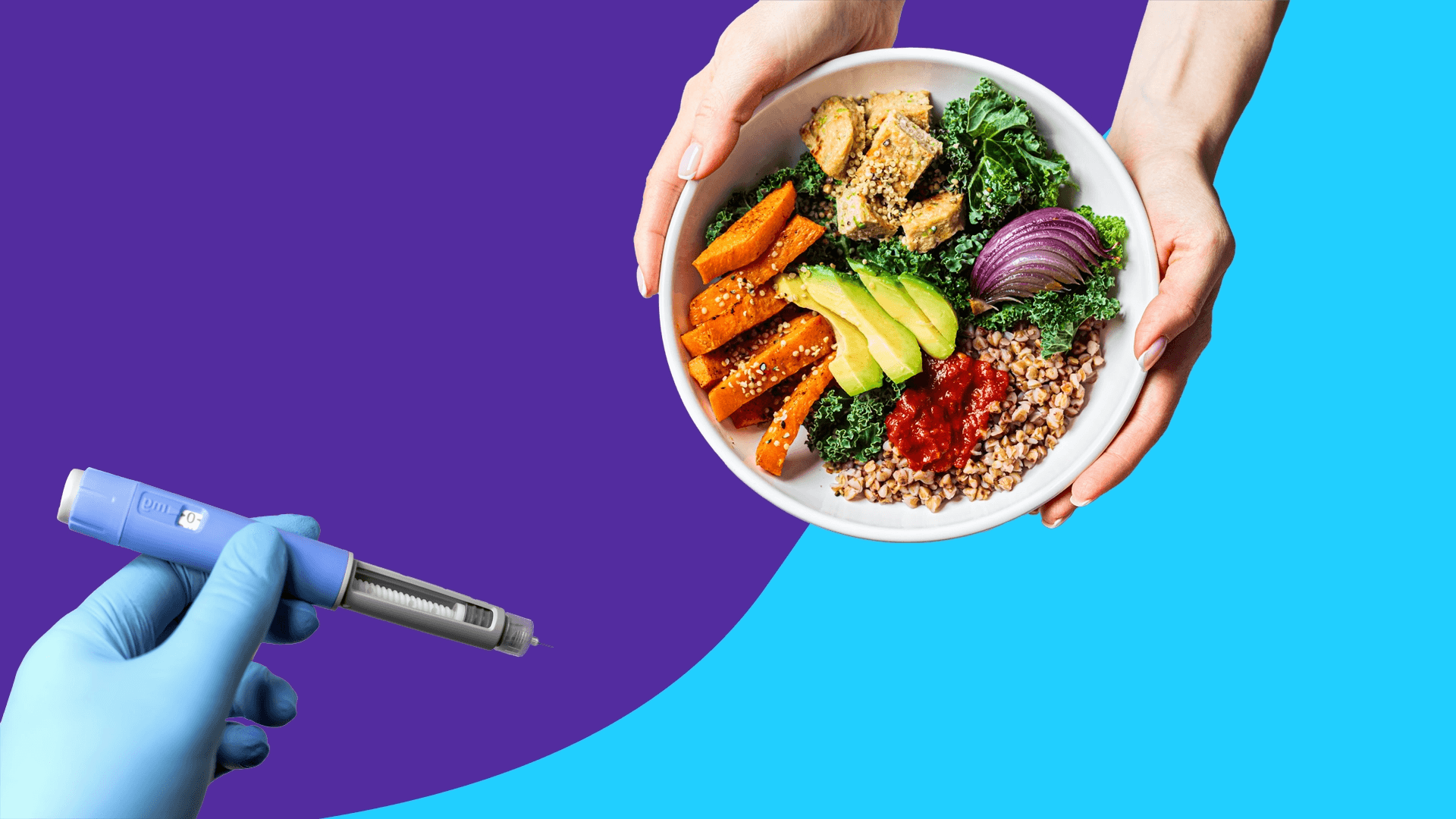
Certain foods make semaglutide less comfortable or less effective because they either add digestive work into a system that semaglutide is already slowing, spike blood sugar in a way that fights the medication’s glucose control, or irritate the gut and amplify nausea. Tactically avoiding or modifying specific items usually reduces bloating, curbs cravings, and keeps your dose doing the job you expect.
Why does what you eat change how semaglutide feels and performs?
The same issue surfaces across clinics and coaching: semaglutide slows stomach emptying, so foods that normally digest slowly, ferment, or create large glucose swings tend to sit longer, produce gas, or trigger stronger appetite signals. After working with patients for over six months, we found a simple, measurable pattern: switching to protein-first breakfasts cut mid-morning cravings and reduced bloating episodes by more than half for many people, because it reduced the digestive backlog and steadied blood sugar.
1. Alcohol
Core conflict: Alcohol both irritates the gut and alters blood sugar control while increasing dehydration, which compounds semaglutide side effects.
Why This Food Is Problematic on Semaglutide
Alcohol absorbs differently when gastric emptying is slowed, so you may feel stronger effects from less alcohol and experience more nausea. Alcohol also limits the liver’s ability to release glucose, which can deepen hypoglycemia risk for people whose blood sugar is being lowered by semaglutide.
Common Side Effects
Stronger intoxication, because slower emptying increases blood alcohol concentration sooner.
Worse nausea and vomiting, since alcohol and semaglutide both irritate the stomach lining.
Lightheadedness and dehydration, because fluid loss from alcohol stacks with medication-related shifts in appetite and intake.
Tip: If you drink, reduce portions, hydrate intentionally, and log symptoms so you can see patterns in your side-effect tracker.
2. Caffeinated Beverages
Core conflict: Caffeine can irritate the stomach and temporarily raise blood sugar for some people, working against semaglutide’s goals.
Why This Food Is Problematic on Semaglutide
Strong coffee on an empty stomach amplifies nausea and can speed gastric motility in unpredictable ways relative to the slowed baseline, producing jittery feelings and digestive upset.
Common Side Effects
Increased nausea, because caffeine stimulates acid and can aggravate a sensitive stomach.
Dehydration or frequent urination that worsens fatigue, since caffeine is mildly diuretic.
Temporary blood sugar spikes in some people can tug on the medication’s glucose control.
Tip: Try lower-acid coffee, smaller servings, or decaf in the morning and track glucose or symptoms for two weeks to see if caffeine affects you.
3. Fried Foods
Core conflict: High-fat, greasy foods take longer to digest, which collides with semaglutide’s intentional slowing of gastric emptying.
Why This Food Is Problematic on Semaglutide
Fats delay stomach emptying naturally; pair that with a GLP-1 medication, and the food can linger, creating waves of nausea and acid reflux.
Common Side Effects
Recurrent nausea and vomiting, because delayed digestion keeps stomach contents higher and unsettled.
Heartburn and reflux as fatty meals increase acid exposure for longer periods.
Bloating and sluggish digestion, since fat slows transit and increases discomfort.
Tip: Reserve fried treats for rare occasions, and if you indulge, pair them with lean protein and a smaller portion.
4. High-sugar Snacks and Desserts
Core conflict: Large sugar loads create rapid blood glucose changes that can increase side-effect risk and undermine weight-loss momentum.
Why This Food Is Problematic on Semaglutide
Sugary foods trigger rapid insulin and glucose spikes; those spikes can intensify cravings and metabolic stress while worsening gastrointestinal reactions.
Common Side Effects
Increased sugar cravings and rebound hunger, because the rapid glucose rise and fall signal your body to eat more.
Nausea or dizziness in combination with medication-related appetite suppression.
Energy crashes that push people toward more processed carbs.
Tip: Favor naturally sweet options like berries or Greek yogurt to satisfy cravings with protein and fiber, and log sweets to spot patterns in cravings and side effects.
Evidence note: According to Healthline (2024), consuming more than 50 grams of sugar per day can increase the risk of side effects while on semaglutide.
5. Carbonated Drinks
Core conflict: Bubbles add trapped gas to a digestive system that already processes food more slowly, increasing discomfort.
Why This Food Is Problematic on Semaglutide
Carbonation introduces gas into the stomach and intestines; slowed emptying means gas stays longer, leading to more noticeable bloating and pressure.
Common Side Effects
Pronounced bloating, because gas cannot pass through quickly.
Increased burping and stomach pressure aggravate nausea.
Tip: Replace fizzy drinks with still water and use the water tracker to ensure adequate intake without extra gas.
6. Processed Meats
Core conflict: High sodium and preservatives can worsen fluid shifts and gastrointestinal irritation during treatment.
Why This Food Is Problematic on Semaglutide
Processed meats are often high in fat and salt; the fat slows digestion, and the salt can increase bloating and thirst, worsening side effects.
Common Side Effects
Abdominal discomfort and bloating, from combined fat and sodium effects.
Headache or increased thirst because high sodium disrupts hydration balance.
Tip: Choose lean, minimally processed proteins like grilled turkey, chicken breast, or plant-based alternatives and monitor sodium intake.
7. Refined Carbohydrates (White Bread, Pastries)
Core conflict: Rapidly digested carbs spike blood sugar and trigger cravings, which run counter to semaglutide’s appetite-stabilizing benefits.
Why This Food Is Problematic on Semaglutide
Refined carbs are low in fiber and are quickly digested, causing rapid glucose excursions that can lead to hunger soon after eating and undermine steady weight loss.
Common Side Effects
Mid-meal or mid-afternoon cravings, because blood sugar falls quickly after the spike.
Bloating for some people, especially when combined with slowed gastric emptying.
Tip: Swap to whole grains like quinoa, brown rice, or sprouted bread to maintain fullness and protein goals.
8. High-fat Dairy Products
Core conflict: Full-fat dairy often contains enough fat per serving to markedly slow digestion, increasing nausea and reducing medication comfort.
Why This Food Is Problematic on Semaglutide
Fats in cream, butter, and full-fat cheese sit longer in the stomach; combined with semaglutide’s slowing effect, they can precipitate nausea and reflux episodes.
Common Side Effects
Persistent nausea, because fatty dairy delays emptying further.
Heartburn and acid reflux as stomach contents remain elevated.
Vomiting in more severe cases when the stomach overloads.
Tip: Use low-fat dairy or smaller portions of high-fat items and log any episode of reflux to see cause and effect.
Evidence note: According to Healthline (2024), high-fat foods, containing over 20 grams of fat per serving, may reduce the effectiveness of semaglutide.
9. Spicy Foods
Core conflict: Spices can relax the lower esophageal sphincter and irritate the stomach lining, leading to increased reflux and nausea.
Why This Food Is Problematic on Semaglutide
Spicy ingredients often trigger acid production and can loosen the valve that keeps stomach acid from coming up, which is worse when the stomach empties slowly.
Common Side Effects
Burning sensation in the chest or throat, because acid regurgitates more easily.
Heightened nausea, since spicy foods can sensitize a medication-weakened gut.
Burping and general stomach discomfort.
Tip: If you love heat, reduce portion sizes, avoid spice on an empty stomach, and pair with protein to blunt irritation.
10. Fast Food
Core conflict: Fast food combines high fat, salt, and processed carbs, producing a multi-front attack on digestion and blood sugar.
Why This Food Is Problematic on Semaglutide
These meals are calorie-dense and often high in fat, which slows digestion, allowing them to sit in the stomach and provoke nausea, bloating, and reflux more readily.
Common Side Effects
Intense bloating and indigestion from a high-fat, high-salt load.
Energy slumps and cravings due to high refined-carb content.
Tip: Prioritize home-prepared meals, choose grilled, lower-fat options, and track the meal’s effects in your side-effect log.
11. Artificial Sweeteners
Core conflict: Non-nutritive sweeteners can confuse appetite signals and alter gut microbiota, potentially undermining fullness cues.
Why This Food Is Problematic on Semaglutide
A sweet taste without calories can trick the brain and may increase appetite or alter the gut environment, both of which can weaken the behavioral benefits of semaglutide.
Common Side Effects
Persistent cravings for sweet tastes, because sweetness primes reward pathways without satisfying caloric needs.
Possible digestive upset for sensitive people, as some sweeteners ferment in the gut.
Tip: Use small amounts of natural sweeteners like stevia or monk fruit when needed, and monitor cravings via a food log.
12. High-Fiber Vegetables
Core conflict: Fermentable fiber can produce gas that becomes more painful when gastric emptying is slowed.
Why This Food Is Problematic on Semaglutide
Vegetables high in fermentable carbohydrates feed gut bacteria and create gas; with slower transit, that gas builds and causes discomfort.
Common Side Effects
Bloating and excessive gas occur as fermentable fibers are broken down.
Diarrhea or loose stools in some people occurs because increased fermentation changes the stool consistency.
Stomach cramps are from trapped gas and delayed transit.
Tip: If you get bloated, temporarily reduce high-FODMAP veggies like broccoli and beans, then reintroduce them slowly while using a fiber timing strategy, such as spreading intake throughout the day.
13. Peanut Butter
Core conflict: A small serving of peanut butter can be calorie and fat-dense enough to exacerbate delayed gastric emptying and nausea.
Why This Food Is Problematic on Semaglutide
A standard two-tablespoon serving often contains around 16 grams of fat and 200 calories, which can linger in the stomach and cause nausea when the emptying rate is slowed.
Common Side Effects
Nausea after a seemingly small snack, because fat prolongs digestion.
Feeling uncomfortably full for hours, which can reduce protein intake at the next meal.
Tip: Measure servings carefully, opt for powdered peanut butter for lower fat, and pair with a lean protein to spread calories more evenly.
14. High-Glycemic Foods
Core conflict: Fast-digesting carbohydrates create glucose spikes that counteract semaglutide’s metabolic benefits and fuel cravings.
Why This Food Is Problematic on Semaglutide
High-GI foods like potatoes and many breakfast cereals digest quickly, producing rapid glucose and insulin responses that make appetite control harder.
Common Side Effects
Blood sugar swings and hunger soon after eating, undermining steady satiety.
Increased cravings and potential plateauing of weight loss when overused.
Tip: When you want starchy foods, pair them with protein and fiber to blunt their glycemic impact, and log portion sizes to protect your progress.
15. Red Meat
Core conflict: Red meat is often high in fat and slower to digest, worsening nausea and constipation for many patients.
Why This Food Is Problematic on Semaglutide
Fatty cuts and dense proteins take a long time to move through the stomach; with semaglutide slowing gastric emptying, this can amplify feelings of fullness and prolong discomfort.
Common Side Effects
Severe nausea or vomiting for sensitive individuals after a heavy red-meat meal.
Prolonged bloating and stomach pain, because digestion remains extended.
Constipation, in some cases, is from slowed transit time paired with low-fiber accompaniments.
Tip: Choose lean cuts, smaller portions, and balance with vegetables and hydration; use a protein-tracking tool to ensure you still hit your goals without overloading on fat.
Most people manage food changes by trial and error, writing notes in a journal or scattered apps. That familiar approach works at first, but as side effects and cravings persist, patterns get buried in notebooks, and guessing continues, delaying adjustments and wasting time. Platforms like MeAgain centralize meal timing, protein targets, water tracking, and side-effect logs, giving users an at-a-glance view of what triggers nausea or stalls progress, so decisions shift from guesswork to measurable tweaks.
The frustrating part? This isn’t just about willpower; it’s about matching food choices to how the medication actually changes digestion — and that alignment is what reduces side effects and preserves results. You won’t believe what the next section uncovers about the little choices that make a huge difference in daily comfort and progress.
FAQs on Semaglutide Foods to Avoid
Do I have to avoid these foods forever?
Most people keep stricter limits only during the first few weeks after a dose change, typically a 2- to 6-week stabilization period. After that, reintroduction works best when you treat it like an experiment: test one item at a small portion, pair it with a protein source and water, then monitor symptoms for 48 to 72 hours. For a quick checklist to orient that experimentation, see "10 Foods to Avoid on Semaglutide" (IV League Hydration, 2025).
Can I eat these foods in small amounts?
Yes, but size and context matter. Start with about 25 percent of a normal portion, include 20 to 30 grams of protein, and drink 250 to 500 milliliters of water across the meal to normalize gastric load and hydration. Eat slowly, pause halfway through, and wait 48 to 72 hours before increasing the portion. Measure and log each trial to determine whether discomfort is a one-off or a repeatable pattern.
Why do some foods suddenly make me nauseous?
Your gut sensitivity changes while you titrate and after dose increases, so foods that once felt fine can become aversive overnight. Think of your stomach as a slow-moving ferry; a light passenger load crosses calmly, but heavy, dense cargo makes the ride rough and triggers symptoms. Sensory triggers and conditioned aversions then amplify nausea, which is why meals at stressful social events can feel intolerable even if the food itself is not objectively “bad.”
Most people manage this with trial and error, which feels familiar and safe. The hidden cost is weeks of guessing, repeated bad days, and social anxiety when family or friends comment on your choices. Platforms like MeAgain change that by centralizing shot timing, protein targets, fluid logs, and side-effect notes, so users see clear patterns and compress painful trial-and-error from weeks into days.
How do I test tolerance without derailing progress?
Use a repeatable protocol: pick a low-stress day, consume a 25 percent portion with 20 to 30 grams of protein and 300 milliliters of water, wait 48 to 72 hours, and record any nausea, bloating, or energy shifts. If no issue, increase to 50 percent the next week. Stop when you hit symptoms. This gives you objective criteria instead of guessing, and it keeps protein and hydration goals intact while you broaden your diet.
What about fasting, events, and the emotional side of eating?
If you practice structured fasting like 18/6 or OMAD for calm and routine, treat the first month of titration as an exception, because early hypoglycemia or lightheadedness is common when behaviors change. When I coached clients who kept strict feeding windows, we delayed intensive fasting during dose changes and focused on a small protein-rich first meal to stabilize energy. And when family moments feel shaming or triggering, use tiny practical moves to protect yourself: eat a safe protein snack before you go, sit where you can leave if needed, and have a short symptom note ready so you don’t carry the burden of explanation.
What measurable signals should I use to decide if a food is okay for me?
Create a three-point scorecard: symptom severity 0 to 5, time-until-onset in minutes, and functional impact (could you work, drive, or sleep afterward?). Log these alongside meal composition, portion size in grams, and time since injection. Over two weeks, a pattern of mostly 0–1 scores and no functional impact indicates safe reintroduction; clusters of 3+ should guide avoidance or reformulation.
How should I adjust meal timing and fasting while on semaglutide?
If you practice intermittent fasting or one-meal-a-day patterns, be cautious the first month you start or when your dose changes, because appetite signals and glucose responses can shift unpredictably. When you fast, break it with a protein-focused, low-fat option and monitor symptoms and blood glucose for the first two hours. If you experience lightheadedness or sweating, add a small, slow-carb snack and check electrolytes; persistent low-glucose signs mean you should slow your fasting schedule and consult a clinician.
Make Semaglutide Work With Your Body, Not Against It
We both want semaglutide to help you lose fat, not trade it for nausea, constipation, or muscle loss, and that starts with making protein, hydration, movement, and timing reliably simple. Starting Ozempic, Wegovy, or Mounjaro is only half the journey. What you eat—and how consistently you support your body—determines whether you lose fat or struggle with nausea, constipation, and muscle loss.
MeAgain turns the “rules” of GLP-1 success into a simple game. Our app helps you stay on track with protein, fiber, hydration, and movement—the exact habits that reduce side effects from foods that don’t sit well on semaglutide. Your capybara guide keeps it light, motivating, and surprisingly addictive, while your Journey Card captures every milestone along the way. If you’re already changing how you eat on semaglutide, make it easier to do it right. Download MeAgain and turn your GLP-1 journey into your favorite game.
Related Reading
Tips to Maximize Weight Loss on Semaglutide

Healthy lifestyle habits are where the day-to-day wins happen, not in pill-by-pill instructions. Focus on predictable, sustainable routines that protect digestion, preserve muscle, and keep you emotionally steady while you adapt.
Eat Slowly
When you slow the pace, two things happen: your body signals fullness more clearly, and the stomach is less likely to protest. Put your fork down between bites, chew deliberately, and wait before seconds; count breaths or set a 20-minute window to help your nervous system register satisfaction. Think of eating as pouring tea, not spraying a hose, and you will notice how much less you actually need to feel satisfied. Log bite timing and fullness ratings to see the pattern instead of guessing.
Enjoy Your Favorites
You do not have to exile comfort food to be successful, but unmanaged cravings and convenience-driven fast meals are a real trap. In six-month coaching cycles with clients, the same pattern surfaced: the convenience of fast food and relentless marketing made lapses feel inevitable, which, in turn, produced guilt and led to giving up attempts to change. That cycle breaks when you plan small, measured treats, practice portion control for them, and treat indulgences as data points to log rather than moral failures. Try a single-plate treat, savor it slowly, or choose a lower-calorie version, and note how you feel afterward so you don't repeat the same regret.
Start Small Literally
The familiar reaction to a new appetite is to aim for big, immediate change. That often backfires and provokes GI discomfort. Lemieux recommends halving the portion you would normally eat. “I typically encourage patients to serve themselves half of what they would normally eat, eat slowly, and wait after they finish their first serving for 15–20 minutes to see if they are still hungry before going back for more,” she said. This is practical and measurable: cut portions, set a timer for 15 minutes, then decide. Track the step, and you will learn whether the second plate is habit or hunger.
Solidify Your Goals
The goal that sticks is rarely a number on a scale; it is a specific life change you care about. “Explore your deeper goals related to weight loss, outside of just a number on the scale,” Lemieux said.
Are you trying to get in better shape to keep up with your young children?
Do you want to travel the world comfortably?
Will losing weight help your aching knees feel better?
Write one emotionally charged outcome and then map three behaviors this week that point toward it, for example, a 10-minute walk after dinner three times, halving evening portions, or logging hydration. Seeing how small acts connect to a larger, felt reason keeps motivation steady when the going gets tough. For context, the Midwest Institute for Non-Surgical Therapy reported an average 12% weight loss over 28 weeks, which shows what some structured programs have produced. Still, lifestyle habits are the engine that sustains any short-term gain.
Eat Plenty of Fruits and Vegetables, But Get That Protein In
Protein supports muscle and steady energy as appetite shrinks, and adding resistance work protects lean mass. Landau recommends increasing protein intake and pairing it with strength-building activity to preserve metabolism and function. When appetite is low, spread protein across the day with small, easy portions after activity, and favor compact, high-quality sources that you tolerate without bulk. Log grams per meal or per day, and watch for trends in strength, not just weight. That approach makes each meal count and reduces the impulse to overdo volume in search of calories.
Practical Cues to Protect Digestion and Energy
Stop eating when you feel full, even if food remains on the plate, trust the signal and avoid pushing past comfort.
Stay hydrated by sipping water throughout the day, but avoid large volumes with meals, which can make you feel overly full.
Avoid lying down for at least 30 minutes after eating to give gravity to digestion and reduce reflux.
Eat regularly, even if small and gentle, because skipping meals often causes blood sugar dips and fatigue; aim for light, balanced bites when appetite is low.
Treat these as measurable habits you can log nightly, then tweak timing and volume until symptoms and energy stabilize.
Utilize Professional Support
Most people try to manage complex shifts alone because doing something familiar feels easier. That familiarity costs you time, inconsistent guidance, and the repetition of avoidable mistakes. Platforms like MeAgain surface the missing data, turning scattered notes into trends that show which meals, timings, or portion sizes trigger symptoms and which support strength and energy.
The Necessity of a Supervised, Integrated Care Team
Patients benefit from a supervised team, too. “Patients taking Wegovy should work with an experienced team, such as a doctor and a registered dietitian, who will supervise your weight loss progress and are committed to helping you lose weight in a healthy way,” Lemieux said. A clinician and a dietitian can tailor meal timing, stress strategies, activity plans, and sleep tweaks, making the work sustainable rather than episodic. Reports also document rapid early shifts in some regimens; for example, the Midwest Institute for Non-Surgical Therapy noted 5 kg weight loss in the first month for some participants, but that kind of change still needs integrated lifestyle practices to be safe and lasting.
How to Keep This Humane, Measurable, and Habit-Driven
If you are tired of vague rules, replace them with micro-experiments:
Halve a portion and log fullness at 15 minutes.
Schedule one planned treat and rate satisfaction on a 1-5 scale.
Add one 10-minute strength session and record perceived strength two weeks later.
Treat each experiment as one data point in a larger trend. That method protects you from swinging between all-or-nothing extremes and gives unmistakable evidence for what works for your body. That simple pattern looks solved, but the emotional cost of repeating old habits is quietly corrosive, and that is where the next piece becomes essential.
Download our GLP-1 app to Turn Your Weight Loss Journey into Your Favorite Game
We know it's exhausting to juggle protein, fiber, water, and exercise while worrying about muscle loss or constipation, and the familiar routine of guessing meals and scattered notes quietly eats momentum and confidence. If you want a kinder, measurable way to protect strength and digestion while on Ozempic, Wegovy, or Mounjaro, consider MeAgain, the all-in-one GLP-1 app that turns those chores into simple, trackable habits, with over 100,000 downloads on Google Play as of 2023 and rated 4.5 stars by 10,000 users, showing broad adoption and intense user satisfaction.
Related Reading
What to Do When Semaglutide Stops Working
How Much Protein Should I Eat on Semaglutide
How to Track My Semaglutide Side Effects?
Best App for Tracking Semaglutide Results