
lifestyle
Oral Wegovy Dosing Guide for Safe Weight Loss Results

Ana Reisdorf, MS, RD - GLP-1 expert
Feb 12, 2026
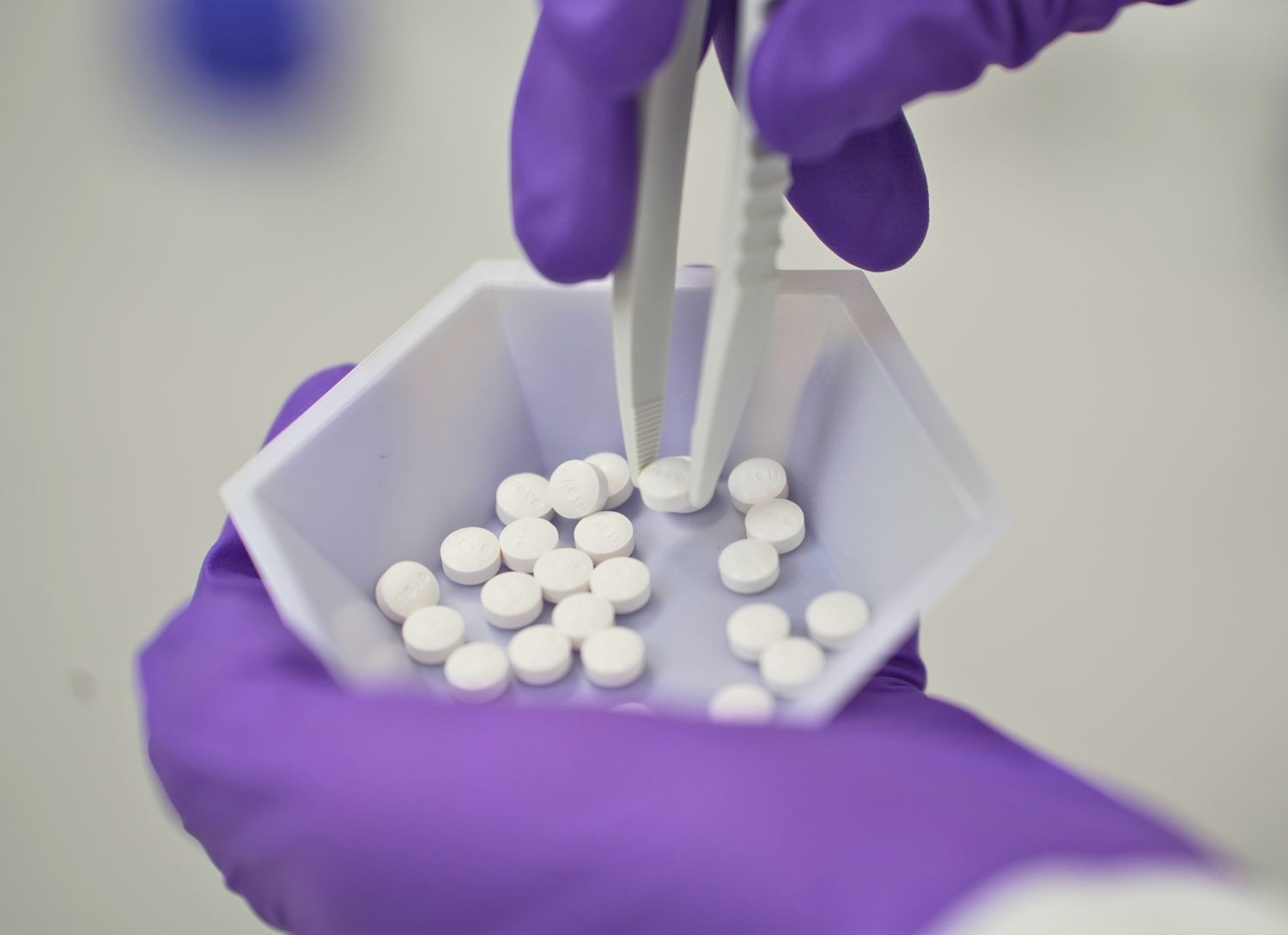
Wegovy’s efficacy in supporting weight loss depends on finding the right dosage. Oral Wegovy dosing is crucial for balancing results and tolerability, ensuring that starting doses and titration schedules align with individual needs. Precise dosing minimizes setbacks and helps maintain progress.
Consistent dosing can lead to better outcomes by effectively managing side effects while enhancing overall benefits. A well-planned regimen builds confidence and supports lasting improvements. MeAgain’s GLP-1 app offers personalized tools to track dosing, monitor responses, and guide safe treatment adjustments.
Summary
Oral Wegovy requires more than 100 times the weekly dose of injectable semaglutide to achieve roughly 85-90% of the weight-loss outcome. The 25mg daily oral formulation approaches the efficacy of a 2.4mg weekly injection, but peptide absorption is inherently less efficient than direct subcutaneous delivery. This dosing gap reflects the challenge of moving GLP-1 medications through the digestive system versus bypassing it entirely.
The strict fasting protocol isn't optional for the effectiveness of oral semaglutide. Taking the pill with anything besides four ounces of plain water, or eating within 30 minutes of dosing, significantly reduces absorption and creates inconsistent appetite control. The SNAC coating that protects semaglutide from stomach acid only works under specific conditions, so patients managing multiple morning medications often struggle to fit the required 30-minute fasting window into their existing routines.
Missing doses for two or more weeks may require restarting at a lower dose to avoid severe gastrointestinal reactions. Your body adapts to consistent daily exposure during the three-month escalation schedule (1.5mg, 4mg, 9mg, then 25mg maintenance). Extended gaps reset that tolerance, making the full maintenance dose potentially intolerable when you resume and undermining months of gradual adaptation.
Gastrointestinal side effects occurred in 74% of patients receiving oral Wegovy, compared with 42% on placebo, in the OASIS-4 trial. Nausea affected 47%, vomiting 31%, and diarrhea 27%, though most were mild and temporary. Permanent discontinuation due to adverse events happened in just 6.9% of oral Wegovy patients versus 5.9% on placebo, suggesting that while GI symptoms are common, they rarely prevent long-term adherence when patients follow the proper escalation schedule.
The cardiovascular benefits appear consistent across both oral and injectable formulations. Oral Wegovy received FDA approval to reduce major adverse cardiovascular events in adults with established heart disease and obesity or overweight, the same indication that applies to injectable semaglutide. Research shows improvements in lipid levels, blood pressure, and kidney function with both delivery methods, suggesting the GLP-1 mechanism drives these benefits regardless of how the drug enters your body.
MeAgain's GLP-1 app addresses this by consolidating dose timing, protein intake, hydration tracking, and side-effect patterns into a single interface, rather than requiring patients to juggle multiple tracking methods between doctor visits.
Is Wegovy Pill as Effective as Injection?
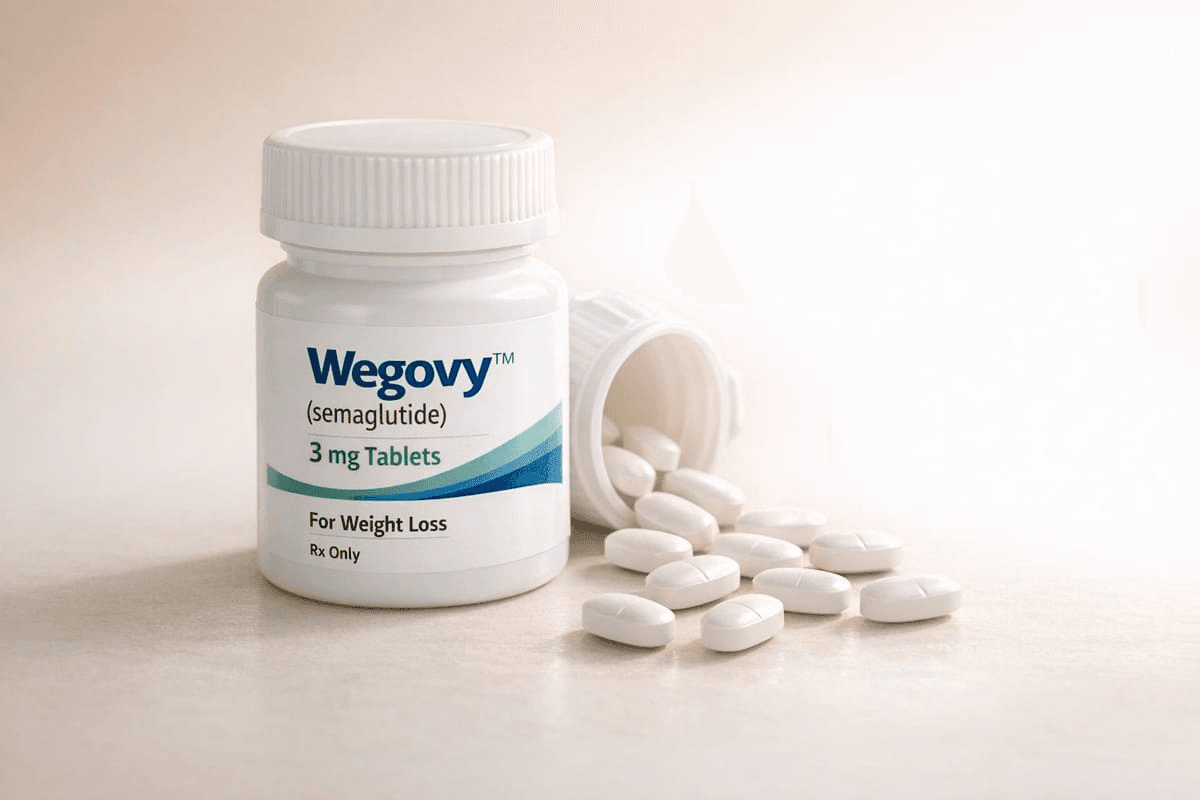
Many assume the oral Wegovy pill works just like the injection, but it doesn't. While both deliver semaglutide, a GLP-1 receptor agonist that suppresses appetite and regulates blood sugar, the delivery method affects how the drug is absorbed.
Injections provide proven subcutaneous absorption with consistent dosing, backed by years of clinical data. In contrast, pills must pass through the digestive system and require a special coating and strict administration protocols to be effective. For those exploring options, our GLP-1 app can help you track your progress and better understand your treatment.
The numbers tell part of the story. According to Novo Nordisk's OASIS-4 trial, oral Wegovy achieved an average 16.6% weight loss, compared with 2.7% for the placebo group. That's statistically significant. But when you compare that to injectable semaglutide's established record, you'll see that the oral formulation requires higher doses (25mg daily versus 2.4mg weekly) to achieve similar results. The mechanism is the same. The pharmacokinetics are different.
How do injection and oral delivery systems differ?
Subcutaneous injections bypass the digestive system completely. The medication is stored in fat tissue under the skin and is released steadily into the bloodstream with predictable timing and concentration. Your body does not need to break down the drug using stomach acid or intestinal enzymes. This creates consistent plasma levels that match the dosing schedule used in clinical trials.
On the other hand, oral semaglutide has a tougher path. Peptides like GLP-1 agonists usually break down in stomach acid before they can get into the bloodstream. Novo Nordisk solved this problem with SNAC (sodium N-[8-(2-hydroxybenzoyl) amino] caprylate), an absorption enhancer that protects semaglutide long enough to pass through the intestinal wall.
However, this technology only works under certain conditions: an empty stomach after an overnight fast, no more than four ounces of water, and no food or other medications for 30 minutes. If any of these conditions are not met, absorption drops significantly.
What happens if dosing protocols aren't followed?
The strict dosing protocol is not random; it is crucial for oral semaglutide to achieve blood levels comparable to those achieved with injections. When patients take the pill with food, drink more water than recommended, or take other medications too soon, the SNAC coating can’t work properly.
As a result, the drug either breaks down too early or goes through the body without being absorbed well. This is why FDA approval data show a 15% body weight loss with oral semaglutide, compared with 17% with injectable semaglutide at the highest doses.
What does the OASIS-4 trial reveal?
The OASIS-4 trial included 307 adults who were either obese (BMI ≥30) or overweight (BMI 27-29.9) and had at least one weight-related health issue, but it did not include individuals with diabetes. Participants taking oral Wegovy lost an average of 13.6% of their body weight, while those on placebo lost only 2.4%. This 11.2 percentage-point difference was statistically significant (P < .0001). Additionally, about one-third of patients achieved more than 20% weight loss, similar to results observed with injections.
How do side effects compare between injection and oral?
Efficacy data only tell part of the story; tolerability is just as important for long-term adherence. Gastrointestinal side effects occurred in 74% of patients receiving oral Wegovy, compared with 42% on placebo. Nausea affected 47%, vomiting 31%, and diarrhea 27%. Most of these effects were mild and temporary, going away as patients moved through the dosage increase schedule (1.5 mg for 30 days, then 4 mg, then 9 mg, and finally a 25 mg maintenance dose starting on day 91).
Permanent discontinuation due to side effects occurred in 6.9% of oral Wegovy patients versus 5.9% on placebo, showing a smaller difference than the GI symptom rates suggest. Injectable semaglutide causes similar side effects, but the once-a-week dosing might be easier to manage than taking daily pills with strict timing. Some patients find that spreading the medication over seven days yields steadier GI tolerance than daily oral doses, even though the total weekly exposure is about the same.
What advantages does the oral Wegovy offer?
Needle aversion is real. For patients who avoid injections because of fear, discomfort, or psychological barriers, oral Wegovy removes that obstacle completely.
Not needing refrigeration is also important if you travel frequently, live in areas with unreliable power, or just want one fewer item taking up space in your fridge. The pill arrives at room temperature and remains stable, making it easier to maintain treatment consistency across different settings.
How Does Cost Influence the Decision?
Cost can significantly affect decision-making. The out-of-pocket cost for oral Wegovy is $149-$299 per month, depending on the dosage. Injections, on the other hand, cost between $199 and $499. Differences in insurance coverage and manufacturer coupons, which can reduce copays to $25 per month, can affect access.
This means that the lower end of the oral price range may be easier for some patients to afford than injectable options. Additionally, the availability of medications at 70,000 pharmacies, including telehealth platforms, expands geographic reach beyond specialty pharmacies that carry injectables.
Are there scheduling challenges with oral Wegovy?
Convenience has its conditions. The daily routine works smoothly if you wake up at the same time, take no other morning medications, and can reliably wait 30 minutes before eating. For patients managing multiple prescriptions, especially those needing morning doses with food, the fasting window creates a scheduling challenge. In such cases, a once-weekly injection might fit more easily into a complex medication plan than a daily pill with strict timing rules.
How do absorption efficiencies compare?
Pharmaceutical companies say that both oral and injectable semaglutide can achieve similar weight loss when administered at optimal doses. While that's true, it doesn't tell the whole story. The oral version requires 25mg daily to achieve results comparable to a 2.4mg weekly injection. This means you are taking more than 100 times the weekly dose to achieve about 85-90% of the weight-loss effect. The technology for peptide absorption is effective, but it is inherently less efficient than direct subcutaneous delivery.
What are the manufacturing challenges?
Manufacturing and scaling present distinct challenges. Peptide formulations that include SNAC absorption enhancers are more expensive to manufacture and distribute than small-molecule drugs. As demand increases, supply chain constraints affect oral peptides more than conventional pills.
Although injections face manufacturing challenges as well, the current prefilled pen production setup offers a significant advantage for scaling production to meet high demand.
Do both formulations provide cardiovascular benefits?
The heart-related benefits appear similar between the two versions of the medication. Oral Wegovy got FDA approval to help lower major heart risks, like heart-related death, non-fatal heart attack, and non-fatal stroke, in adults who have heart disease and are obese or overweight. The same approval applies to the injectable form of semaglutide.
Studies show that both methods improve lipid levels, blood pressure, and kidney function. These results indicate that the GLP-1 mechanism underlies these benefits, regardless of administration route.
How can patients track their treatment response?
Tracking how well either treatment works requires more than just looking at the scale. Whether patients choose pills or injections, they are dealing with a long-term condition that needs careful attention to protein intake, hydration, side effects, and how their bodies react to increasing doses.
Apps like MeAgain's GLP-1 tracker help users keep an eye on these factors in real time, whether they are taking pills every day or getting injections once a week. Rather than trying to remember details between doctor visits, patients can have clear data showing how their bodies respond to the medication, what side effects occur at different doses, and whether their eating habits are helping them lose weight.
How to transition between oral and injection?
Patients currently using the 2.4mg Wegovy injection can switch to the 25mg oral tablet 1 week after their last injection. This transition plan helps maintain therapeutic levels while the body adjusts to the new dosing regimen. However, switching should occur only after discussing the trade-offs with a doctor.
Some people find that weekly injections fit their lifestyle better than daily pills, even if they initially wanted to avoid needles. On the other hand, others find that the daily routine is easier to remember and can be integrated into their existing habits.
Can patients switch back to injections if necessary?
The decision is not permanent. If taking the medicine by mouth is difficult due to timing issues or ongoing gastrointestinal side effects, returning to injections is a good option. The goal is to find the delivery method that ensures long-term consistency.
Managing weight with GLP-1 agonists needs ongoing treatment. A medication that cannot be taken consistently will not yield the results shown in clinical trials, whether administered in a syringe or a pill bottle.
What future options could impact your choice?
Eli Lilly's oral GLP-1, orforglipron, is expected to reach the market if the FDA approves it. It may have fewer dosing restrictions, as early data indicate it can be taken with or without food. This flexibility could change the options for patients who want an oral medication but struggle with Wegovy's fasting requirements. Competition usually drives innovation and access, giving more options to people who need effective weight management tools.
What should you consider when choosing a formulation?
Knowing which option is best for your body involves more than just looking at efficacy percentages and side effect profiles.
Related Reading
Oral Wegovy Dosing Guide for Safe Weight Loss Results
Proper dosing ensures safe weight loss and lowers side effects. The oral semaglutide dose for weight loss is 25 mg taken once daily, but patients don't start at this level. The body needs time to adjust, so the medication is increased gradually.
This method reduces nausea and other gastrointestinal symptoms while achieving the therapeutic dose. Consider using a GLP-1 app to help track your progress and manage your dosage effectively.
The dosing plan isn't random; it shows what we've learned about tolerability during clinical trials. If someone jumps straight to 25 mg, their body may react with ongoing nausea, vomiting, and possibly lead to stopping the treatment.
By increasing slowly, most patients adjust within the first three months, allowing them to keep using the medication long enough to see meaningful weight loss.
Wegovy pill | |
Dosage strengths | 1.5 mg, 4 mg, 9 mg, 25 mg |
Starting dosage | 1.5 mg once daily (days 1-30) |
Escalation dosage(s) | 4 mg once daily (days 31-60) then 9 mg once daily (days 61-90) |
Maintenance dosage | 25 mg once daily |
Maximum dosage | 25 mg once daily |
How does the escalation process work?
You begin at 1.5 mg once daily for the first four weeks. This starter dose helps your body acclimate to semaglutide without placing undue stress on your digestive system. It is not meant to cause significant weight loss yet; think of it as the foundation that helps you handle higher doses later.
After 30 days, you increase to 4 mg daily for another four weeks. This is when some patients start to notice less hunger.
Your body is still adjusting to the medication, so mild nausea or changes in bowel habits may occur, but these side effects are usually short-lived.
At day 61, the dose increases again to 9 mg daily for four more weeks. By this time, most patients have gotten used to how the medication works. You will likely notice a bigger decrease in appetite, and you might start to see some weight loss on the scale.
Finally, on day 91, you reach the 2.4 mg maximum maintenance dose, equivalent to 25 mg of oral semaglutide once daily. This is the FDA-approved maintenance dose used in clinical trials, where patients lost an average of 13.6% of their body weight after 64 weeks. A three-month ramp-up period is required; it is an important step that helps you stay on the treatment for the long term.
What if I can't tolerate the maximum dosage?
Some patients cannot tolerate 25 mg even after a gradual dose increase. In these cases, staying at 9 mg or 4 mg with medical guidance is the right choice.
The goal is to identify the highest dose that can be maintained consistently, rather than forcing everyone to reach the maximum dose regardless of side effects.
What are the administration instructions?
Take the tablet once every morning on an empty stomach. Pick a consistent time each day, preferably after an overnight fast. Swallow the tablet whole with no more than 4 ounces (120 mL) of plain water.
Avoid coffee, tea, or other beverages, as they can reduce absorption. Do not crush, split, or chew the tablet, as this damages the SNAC coating that protects semaglutide from stomach acid.
Wait at least 30 minutes before eating, drinking anything else, or taking any other oral medications. This waiting time is very important. Having anything in your stomach during those 30 minutes greatly reduces the amount of medication that enters your bloodstream.
The oral bioavailability of semaglutide is already low, about 1% under ideal conditions. Breaking the fasting window further reduces it, which could reduce the dose's effectiveness.
How does inconsistent dosing affect weight loss?
Patients who forget the fasting requirement often experience inconsistent appetite control. One day, the medication works as expected; the next day, hunger returns because the dose does not absorb properly.
This variability can create frustration and undermine confidence in the treatment. While the strict routine may initially feel inconvenient, it is important to understand that it is the only way to achieve predictable results with oral semaglutide.
What challenges do patients face with this regimen?
Many patients taking several morning medications find this protocol challenging. For those who need to take thyroid medication, blood pressure pills, or other prescriptions that require specific timing, coordinating everything around a 30-minute fasting window can become a daily puzzle. In these situations, a once-weekly injection may fit more easily into a complicated medication schedule compared to a daily pill with strict timing rules.
How can I track my progress effectively?
Following proper oral dosing helps achieve steady, safe weight loss, but it only works if you stick to the routine consistently. Apps like MeAgain's GLP-1 tracker help users track when to take their dose, monitor side effects in real time, and log protein intake and hydration patterns that can affect medication efficacy. Instead of relying on your memory between doctor visits, you will have real data showing whether you're following the dosing plan correctly and how your body responds at each dose level.
What are the risks of higher doses?
Researchers looked at 50 mg daily doses in clinical trials. Weight loss increased slightly compared to 25 mg, as noted here, but side effects became much more common.
Nausea, vomiting, and diarrhea happened often enough that the FDA approved 25 mg as the highest dose. The risk-benefit balance shifted unfavorably at higher doses, even though some patients managed them without issues.
What should I do if I don’t see weight loss?
The 25 mg maintenance dose is the highest dose most patients can tolerate for extended periods. If you get to that dose and still don't experience enough weight loss after a few months, it’s time to talk to your doctor about other issues. Think about sticking to the medication schedule, any underlying metabolic problems, how other medications might interact, or if a different GLP-1 formulation could work better for your body.
How should I monitor side effects?
All dosing decisions should be confirmed with a healthcare provider. The escalation schedule outlined here reflects FDA-approved protocols; however, individual circumstances vary. Some patients may need a slower increase in dosage because of severe nausea, while others might not be able to use oral semaglutide for other reasons, no matter the dose.
Your doctor should monitor weight-loss progress, side-effect severity, and metabolic markers such as blood glucose and lipid levels throughout treatment. Rapid weight loss can cause gallstones, nutritional deficiencies, and muscle loss if protein intake does not keep up.
Regular check-ups help ensure that the medication is working safely, not just effectively.
When should I seek medical attention?
If side effects become too severe at any dose, it is important not to tolerate them, hoping they will improve. Symptoms like constant vomiting, severe stomach pain, or signs of pancreatitis, shown by intense pain in the upper abdomen that goes to the back, need immediate medical help.
While GLP-1 medications are usually safe, serious negative effects can happen in rare cases. Knowing when to stop treatment and reflect is just as important as knowing how to increase doses.
Related Reading
Can You Take Semaglutide Every Other Week For Weight Loss
How Old Do You Have To Be To Take Ozempic
What to Do if You Miss a Dose of the Wegovy Pill
If you miss a dose, skip it. Take your next dose the next morning as planned. Don't double up, take an extra tablet, or try to make up for it later in the day. Oral semaglutide must be taken on an empty stomach for optimal absorption. Once you’ve eaten or had anything other than water, the time to take your dose is over.
The strict administrative rules are inflexible. Unlike medications that can be taken with food or at different times during the day, oral Wegovy requires specific conditions to pass through the intestinal wall. If the fasting time has passed, trying to take the dose anyway wastes the medication and causes unpredictable blood levels. This may increase side effects without improving efficacy.
If you realize you missed your dose within about an hour before eating or drinking anything, take it right away. Then wait a full 30 minutes before eating, drinking, or taking other medications.
The SNAC coating may still work if your stomach remains empty during absorption.
If several hours have passed, whether or not you've eaten, skip the dose completely. Go back to your regular schedule the next morning.
According to Form Health's clinical guidance, missing doses for two weeks or more may require restarting at a lower dose to avoid serious stomach problems. Your body adapts to taking the medication daily. Breaks longer than a few days reset that tolerance, making the full maintenance dose harder to tolerate when you resume.
If you've already had breakfast or coffee, remember to take the tablet. The medication won't absorb well, and you risk wasting a dose while possibly facing side effects from uneven plasma levels. Wait until tomorrow, then return to your normal routine.
Many patients wonder if they can change the rules. Can they take it with black coffee since it has no calories? Can they take it with thyroid medication? Can they reduce the 30-minute wait to 15 minutes if they're in a hurry? The answer to all these questions is no.
Any food or liquid other than plain water interferes with absorption. Other medications compete for the same intestinal pathways that SNAC uses to move semaglutide through your gut lining. Even small changes to the rules can reduce the amount of medication that enters your bloodstream.
What should you do if you realize you missed a dose?
Regularly scheduled dose | The time you realize you missed the dose | What to do next |
Every morning | Within about an hour that same morning (before eating or drinking) | Take the dose as soon as you remember, and wait 30 minutes before eating, drinking, or taking other medications. |
Every morning | A few hours after your scheduled dose, whether or not you have eaten or had anything to drink | Skip your missed dose and take your next dose as scheduled the following morning. |
Every morning | Anytime in the day after you eat or drink | Skip your missed dose and take your next dose as scheduled the following morning. |
What should you do if it's been several hours since your scheduled dose?
Every morning, it's important to take your medication as prescribed.
If a few hours pass after your scheduled dose, think about whether you have eaten or had anything to drink during that time.
In this case, skip your missed dose and resume your regular schedule by taking your next dose the next morning.
What to do if you remember after you've eaten or drunk?
Every morning, make it a habit to check if you need to take your medication.
If you remember after eating or drinking, it's important to check when your next dose is due.
In this case, skip your missed dose and take your next dose as scheduled the next morning.
How can you make sure you don't forget your dose?
Set a daily alarm for the exact time you plan to take your medication. Place it somewhere you can't ignore, like on your nightstand or bathroom counter.
The alarm serves as a reminder to take the pill and starts the entire 30-minute sequence: take the tablet, set a second timer for 30 minutes, then wait before eating or drinking anything.
Put a visual reminder where you'll see it first thing in the morning. A note on your coffee maker: it helps you avoid reaching for caffeine before your brain is fully awake.
A sticky note on the bathroom mirror can catch your attention during your morning routine. The goal is to create a physical reminder that makes you consciously think about the medication before autopilot takes over.
Keep your medication bottle in the same place every day. This routine helps reduce mental effort. You won't have to search for the bottle or wonder if you've already taken it.
The routine becomes automatic: wake up, see the bottle, take the dose, set the timer, and wait. By removing decisions from the process, you lower the chance of forgetting.
Tools like MeAgain's GLP-1 app help patients track whether they took their dose and waited the full 30 minutes before eating. Although the app doesn’t prevent forgetfulness, it promotes accountability and helps with pattern recognition. If doses are often missed, the tracking data clearly shows it. That visibility makes conversations with your provider more detailed.
Instead of saying, I think I'm pretty consistent, you can say, I missed four doses in the past three weeks, all on weekends. This level of detail leads to better solutions.
What should you know about doubling your dose?
The instinct to take two tablets the next day to make up for a missed dose feels logical, but it can be dangerous. Oral semaglutide's gradual dose increase is designed to reduce gastrointestinal side effects. Doubling the dose suddenly overwhelms the system with medication that it hasn't adjusted to yet.
This can cause nausea, vomiting, and diarrhea, and these symptoms can be severe enough to completely interrupt treatment. For help with managing these symptoms, see our guide on How to Relieve Nausea from Semaglutide.
The medication's half-life means it stays in your system for several days. Missing one dose does not immediately remove all its benefits. Your body still has semaglutide from the previous days.
Skipping one dose and taking the next one in the morning helps keep things steady without causing a large increase in drug levels that can lead to serious side effects. This approach emphasizes safety and sustainability rather than aiming for perfection.
Why is it important to strictly follow the dosage protocol?
Can you take it with black coffee? No. Can you take it with your morning levothyroxine? No.
Can you eat breakfast 20 minutes after taking it instead of waiting the full 30? No. The answer to every version of "can I adjust this slightly" is the same: any food or liquid besides plain water interferes with absorption. When the protocol isn't followed precisely, the medication becomes much less effective.
This strictness can frustrate those used to easier-to-take medications. Most pills do not need fasting, specific timing, or waiting periods. Oral semaglutide does so because it has very low bioavailability. The special coating and the empty stomach requirement are the only reasons the pill works at all. Changing the rules doesn’t make the medication easier to take; it makes it less effective.
If the strict protocol feels hard to follow, that's important information. This suggests that the daily oral formulation may not be the optimal long-term choice.
Exploring options such as weekly injection could improve both effectiveness and quality of life. Treatment should help meet health goals without making daily life stressful or requiring constant checks to ensure rules were followed properly.
Knowing what to do when you miss a dose is only part of the answer. The harder question is whether you can maintain this level of precision long enough to achieve your goals.
Make Your Wegovy Journey Safer and Easier with MeAgain
Taking oral Wegovy involves more than just remembering to swallow a pill each morning. You must manage protein intake to protect muscle, monitor hydration to reduce constipation, monitor side effects during dose increases, and follow the strict fasting protocol required for absorption. If you miss any of these parts, the medication may stop working or become harder to handle. That's where comprehensive tracking helps turn scattered efforts into steady progress.
MeAgain brings all these factors together in one spot. You can track your daily-dose timing, log protein and fiber intake with a quick scan or voice note, monitor how much water you drink, record your exercise habits, and note any side effects as they occur.
Instead of managing multiple apps or relying on memory between doctor visits, you will have clear data showing how your body responds to the medication and whether your eating habits support your weight-loss goals. Your capybara guide and Journey Card make the process surprisingly fun, marking milestones as you move forward and changing tracking from a chore into a rewarding experience. Download MeAgain today and give yourself the clarity and control you need with oral Wegovy.
Related Reading
Microdosing Glp 1
Best Place To Get Mounjaro
Cost Of Oral Wegovy
Best Place To Get Wegovy Online
Tirzepatide Compound Cost
Best Place To Buy Tirzepatide Online
Top Semaglutide Providers
503a Pharmacy Tirzepatide
Best Place To Get Semaglutide