
lifestyle
How to Qualify for GLP-1 in 2026 (All Eligibility Requirements)

Ana Reisdorf, MS, RD - GLP-1 expert
Feb 11, 2026
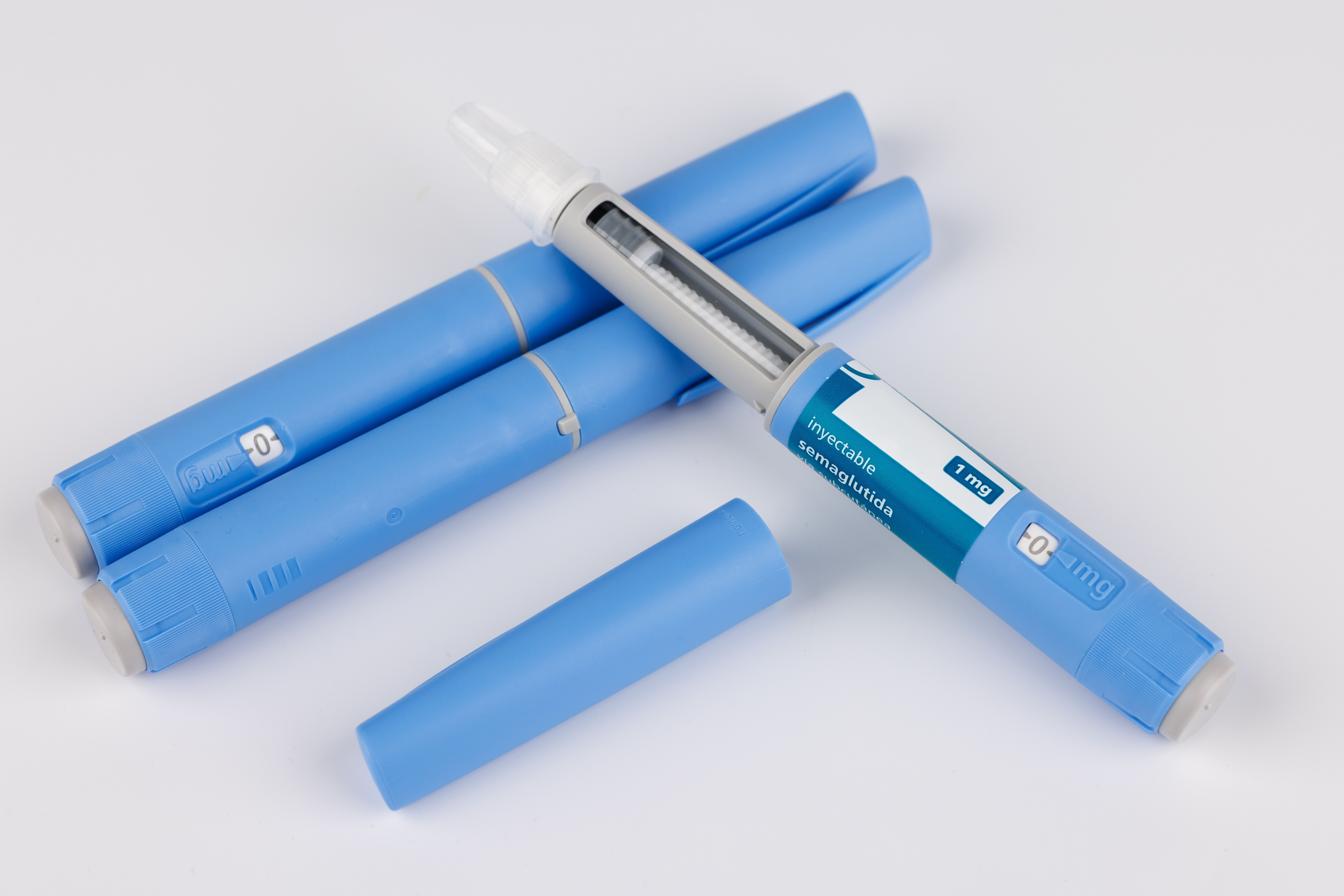
GLP-1 medications offer significant benefits for weight management and diabetes care, yet qualifying for treatment often involves navigating inconsistent insurance requirements and varying BMI thresholds. How do I qualify for GLP-1? Eligibility depends on individual health conditions and provider criteria, creating a complex picture for many.
A clear understanding of these factors can simplify the path to treatment by highlighting essential criteria and accelerating decision-making. Innovations now integrate personalized assessments and efficient provider connections to bridge the gap between inquiry and action, with MeAgain’s GLP-1 app offering valuable tools to navigate the process.
Summary
GLP-1 medications restore biological functions that regulate blood sugar and appetite, not cosmetic quick fixes for weight loss. These medications amplify signals your body already produces, triggering insulin release when blood sugar rises, slowing gastric emptying to extend fullness, and communicating satiety to your brain before you finish eating. The FDA approves them only for people with a BMI of 30 or higher, or 27 or higher with weight-related conditions like high blood pressure or Type 2 diabetes, because they address metabolic dysfunction that threatens long-term health.
Insurance barriers often exceed medical necessity, forcing patients through months of documentation despite clear clinical need. Companies impose step-therapy requirements, mandate enrollment in behavioral programs such as Noom, and deny coverage even after providers confirm medical appropriateness. According to James Kingsland, chair of the Digital Clinical Excellence network, around 2.5 million people each month accessed GLP-1s privately at the end of 2025, reflecting both surging demand and frustration with traditional gatekeeping that delays or blocks access entirely.
Qualification depends on documented metabolic dysfunction and prior unsuccessful attempts at lifestyle interventions, not on desire alone. Providers evaluate BMI thresholds, weight-related health conditions, lab results indicating insulin resistance or lipid abnormalities, and evidence that structured diet and exercise efforts have produced no sustained results. The criteria exist because these medications carry risks (pancreatitis, gallbladder disease, gastrointestinal distress) that only make sense when weight poses measurable health threats like cardiovascular disease or joint deterioration.
Weight loss averages 15-20% of body weight over 12-18 months, but individual results vary based on genetics, adherence, and lifestyle factors. Some people experience immediate appetite suppression, while others notice no effect until reaching maintenance doses after 8 to 16 weeks of titration. The medication creates space for behavior change by quieting dysregulated hunger signals, but it doesn't teach sustainable eating patterns or prevent muscle loss without deliberate protein intake and resistance training.
Telemedicine platforms expanded access but introduced variability in quality, ranging from thorough evaluations to transactional five-minute consultations. Some platforms coordinate with insurance for brand-name coverage, others offer compounded versions outside the FDA approval process at lower prices but with uncertain potency and purity. Convenience matters for people in underserved areas or with schedule constraints, but faster access sometimes means less screening for contraindications and weaker support when side effects or progress stalls.
Daily tracking helps determine whether GLP-1 therapy produces lasting change or temporary results that reverse after stopping the medication. MeAgain's GLP-1 app addresses this by centralizing injection schedules, protein intake monitoring, side-effect patterns, and progress visualization across mood, energy, and physical measurements, turning scattered data into an actionable framework that builds sustainable habits beyond what the scale shows.
What GLP-1 Medications Are, and Who They’re Intended For

GLP-1 receptor agonists work by mimicking a hormone the body naturally produces in the gut after eating. This hormone, glucagon-like peptide-1, does three important things: it signals the pancreas to release insulin when blood sugar rises, slows the rate at which food leaves the stomach, and communicates with the brain to help control appetite. The medications improve these effects, which is why they are mainly given for type 2 diabetes management and, more recently, for chronic weight management in people whose health is affected by obesity. To enhance your approach, consider using our GLP-1 app to track your progress and manage your health effectively.
These medications are not cosmetic treatments. GLP-1s were developed to address serious metabolic issues in which the body’s natural ability to regulate blood sugar and appetite has declined. When insulin resistance occurs or satiety signals are impaired, willpower alone often isn’t enough. These medications help restore some natural functions, leading to lasting changes in eating habits and glucose control. They are tools within a bigger system, not just standalone solutions.
What effects do GLP-1 medications have?
When taking a GLP-1 medication, the body gets a stronger signal that it is already trying to send. The medication binds to GLP-1 receptors throughout the body, including the pancreas, gut, brain, liver, kidneys, and heart. This initiates a series of responses that address multiple metabolic problems simultaneously. First, insulin function gets better. Your pancreas releases more insulin when blood sugar is high, and it blocks glucagon, the hormone that increases blood sugar. This dual action helps keep glucose levels more stable throughout the day, reducing spikes and crashes that make diabetes difficult to manage.
At the same time, digestion slows down. Food stays in your stomach longer, a process called delayed gastric emptying, which smooths out blood sugar increases after meals and makes you feel full for longer. The appetite-control component is where many people notice the most significant change. GLP-1 receptors in the brain send signals that you are satisfied, often before you finish eating. For people whose hunger signals have been messed up by years of insulin resistance or hormonal imbalance, this can feel like finally hearing a voice that was quiet for too long.
One person, who had pre-diabetes and weight-related back pain, described it as getting control back over their body, not through strict discipline, but because the natural urge to overeat had calmed down. They started focusing on whole foods and strength training without the ongoing struggle against hunger signals. This mix of effects explains why GLP-1s are effective for both diabetes and weight management. They tackle the same basic metabolic issue in different ways.
Who should consider GLP-1 medications?
The main use for GLP-1s is still Type 2 diabetes. They were first created and approved for people whose blood sugar couldn't be well controlled with diet, exercise, and other medicines. By promoting insulin release and lowering glucose production, they help maintain stable A1C levels and reduce the risk of long-term complications, including nerve damage, kidney problems, and heart issues.
Weight-management prescriptions followed, after studies showed that higher doses of certain GLP-1s, especially semaglutide and tirzepatide, led to significant and sustained weight loss. But not everyone who wants to lose weight can access these treatments. The FDA has approved these medicines for individuals with a BMI of 30 or higher, or 27 or higher if they also have weight-related health issues like high blood pressure, Type 2 diabetes, or sleep apnea. These rules exist because obesity at these levels can cause serious health problems, including a higher chance of heart disease, joint issues, metabolic syndrome, and a shorter life span.
Many people think that GLP-1s are available to anyone wanting to lose weight. This idea is not correct. Doctors assess whether a person's weight poses a health risk and whether lifestyle changes have been unsuccessful. If someone just wants to buy smaller clothes for cosmetic reasons, they probably won't qualify for the medication. These medicines are meant for people whose weight is a serious health issue, not just a temporary problem.
What are the limitations and considerations for GLP-1 prescriptions?
Research is also investigating GLP-1s for other metabolic conditions. Early evidence suggests they may reduce the risk of heart problems in people with heart disease and slow the progression of chronic kidney disease. Studies are happening to check their potential in polycystic ovary syndrome (PCOS), where insulin resistance and weight gain often create a harmful cycle. However, these uses are still under investigation, and access may depend on clinical trials or off-label prescribing in certain cases.
Supply issues, safety concerns, and medical suitability all make it hard to get GLP-1 therapy. When the demand for weight loss grew, manufacturers had a hard time keeping up, causing shortages that prioritized people with diabetes over those wanting to manage their weight. Although the situation has improved slightly, availability still varies by dosage and specific medication.
Safety is also a very important factor. GLP-1s are not right for people with certain medical histories, like a personal or family history of medullary thyroid cancer, multiple endocrine neoplasia syndrome type 2, or serious gastrointestinal disease. Pregnant or breastfeeding people cannot take them because of potential unknown effects on fetal development. Additionally, because these medications slow digestion, they can worsen conditions such as gastroparesis, in which the stomach empties too slowly. Medical suitability involves more than just a risk assessment.
A good prescriber checks whether individuals are ready for what GLP-1 therapy requires: regular injections (for most formulations), ongoing monitoring for side effects, commitment to nutritional changes that prevent muscle loss, and realistic expectations about what the medication can do. If someone thinks that the medication will fix all their problems without changing their eating habits or physical activity, they will likely be disappointed. The medication may open the door to weight management, but what happens next is crucial for getting the right results.
How can you support GLP-1 therapy for better outcomes?
MeAgain's GLP-1 app helps fill that gap by supporting the daily choices that determine whether GLP-1 therapy is effective. Tracking protein intake helps prevent hair and muscle loss, which can occur when weight loss is too rapid and nutrition is inadequate. Watching for side effects helps users distinguish between short adjustment times and signs that it's time to change the dose. Seeing progress across different areas keeps people focused on building sustainable habits rather than just trying to hit a specific number on the scale.
What types of GLP-1 medications are available?
Several GLP-1 agonists are available on the U.S. market, and each one has different dosing schedules and delivery methods. Approved for Type 2 diabetes are Dulaglutide (Trulicity), exenatide (Byetta and Bydureon), liraglutide (Victoza), and lixisenatide (Adlyxin). Semaglutide is available in two forms: an injection (Ozempic) for diabetes and a higher-dose version (Wegovy) approved for weight management. There is also an oral tablet, Rybelsus, but most GLP-1s are administered by injection. Tirzepatide (Mounjaro for diabetes, Zepbound for weight loss) belongs to a slightly different class. It is a dual GLP-1/GIP receptor agonist, meaning it activates two hormone pathways rather than just one.
Early data suggest that this dual action may lead to greater weight loss and improved glucose control compared with single-receptor GLP-1s, but direct comparisons are still emerging. The prescribed medication depends on a person's specific condition, insurance coverage, and individual response. Some people tolerate one formulation better than another, while others find weekly injections easier to handle than daily doses. Cost and availability also play significant roles, especially when insurance denies coverage or prior authorizations take several weeks. Understanding what these medications are and who they are for is just the first step. The tougher question is whether a person meets the access criteria.
Related Reading
How to Qualify for GLP-1 Agonists for Weight Loss

Qualifying for GLP-1 therapy isn't just about convincing a doctor you want to lose weight. It means demonstrating that your weight is a documented health risk and that past attempts to manage it through lifestyle changes alone haven't worked over time. Providers consider specific clinical criteria, your medical history, and your readiness for the treatment's requirements. Considering your options? Our GLP-1 app can simplify understanding your eligibility.
The qualification starts with your body mass index (BMI). A BMI of 30 or higher automatically places you in the eligibility range. If your BMI is between 27 and 29.9, you will need at least one weight-related health issue to qualify. These can include high blood pressure, Type 2 diabetes, high cholesterol, sleep apnea, cardiovascular disease, or metabolic syndrome. These aren't just random numbers; they indicate the point at which extra weight noticeably shortens lifespan and increases the risk of serious health problems.
How do BMI calculations affect qualification?
BMI calculations only use height and weight, which means they overlook important context. For instance, someone with a lot of muscle might have a high BMI even though they don't have excessive body fat. On the other hand, another person could be just below the BMI threshold but have issues like insulin resistance and joint problems. That's why good providers look beyond the number. They assess body composition, review lab work for markers such as hemoglobin A1c and lipid panels, and consider how weight affects daily activities and long-term health.
What is the role of diagnosed metabolic conditions?
Diagnosed metabolic conditions are critical to the qualification process because they indicate that the body's regulatory systems have already deteriorated. For instance, insulin resistance happens when cells do not respond properly to insulin. This forces the pancreas to make more and more insulin until it can no longer keep up, which can lead directly to Type 2 diabetes if it isn't treated. Chronic inflammation, often caused by extra fat in the body, damages blood vessel walls and raises both blood pressure and cholesterol levels. Additionally, sleep apnea disrupts oxygen flow at night, placing stress on the heart and exacerbating metabolic problems. These conditions do not occur in isolation; they reinforce one another, creating a cycle that is difficult to break with willpower alone.
Why are previous weight loss attempts important?
Previous weight loss attempts are important because GLP-1s aren't the first treatments used. Providers want to see evidence that patients have tried structured lifestyle changes but haven't achieved lasting success. This may include participation in a medically supervised weight-loss program, working with a registered dietitian, and maintaining calorie tracking and increased physical activity for several months. The goal isn't to show failure; it's to show that the biological challenges faced require pharmacological support to manage.
What are the reasons for qualification standards?
Qualification standards exist for three key reasons: safety, effectiveness, and resource allocation. GLP-1 medications carry risks, as outlined in recent RAND Corporation research. During the initial titration period, many individuals experience side effects such as nausea, vomiting, and gastrointestinal distress. While more serious complications are rare, they do include pancreatitis, gallbladder disease, and potential thyroid tumors in individuals with specific genetic predispositions. Therefore, prescribing these medications to someone whose weight does not pose a significant health threat exposes them to risks without offering proportional benefits.
How does effectiveness relate to metabolic dysfunction?
Effectiveness also depends on meeting a minimum level of metabolic dysfunction. For example, someone with a BMI of 25 and no related health problems won't see the same amount of appetite suppression or weight loss as someone whose leptin and ghrelin signaling has been messed up by years of insulin resistance. The medication works by restoring lost function; once that function is fully restored, the intervention yields diminishing returns.
What role do resource constraints play in GLP-1 access?
Resource constraints play a big role. Manufacturing capacity remains limited relative to demand. When there are shortages, prioritization becomes necessary; people with Type 2 diabetes are given preference over those just looking to manage their weight. This is not random gatekeeping; it shows the reality that diabetes complications, like kidney failure, neuropathy, blindness, and amputations, have immediate, life-changing effects. On the other hand, weight-related risks accumulate more slowly, which is why they are ranked lower in the treatment order when supply cannot meet demand.
How do insurance requirements affect access to GLP-1?
Insurance companies have different rules that are often stricter than the FDA's requirements. They may ask for proof that you have participated in a lifestyle change program for three to six months before they will cover GLP-1. Insurers may also require you to participate in a behavior change program or follow step-therapy protocols. This means patients must try older, less effective medicines first and fail with them before moving on. For example, one person shared that their doctor prescribed Wegovy, but their insurance company denied coverage. They insisted that this person must join a program like Noom before they would think about it again. The medication was already working well, but the policy change created additional obstacles and felt more like a revenue driver than a genuine health safeguard.
What are the implications of insurance barriers?
These insurance barriers do not reflect medical necessity; they reflect cost containment strategies. GLP-1 medications are expensive, often exceeding $1,000 per month without coverage, according to research from the Center on Budget and Policy Priorities. Insurers use administrative friction to reduce the number of people who finish the approval process. They believe some would give up rather than deal with the complexities of prior authorizations, appeals, and program enrollments. This is especially frustrating when patients have already met the clinical criteria, and their providers have determined the treatment is appropriate.
What medical histories can disqualify applicants?
Certain medical histories can disqualify applicants outright. A personal or family history of medullary thyroid carcinoma makes GLP-1 therapy unsafe because of the higher risk of thyroid tumors seen in animal studies. The same restriction applies to multiple endocrine neoplasia syndrome type 2. Severe gastroparesis, which is when the stomach empties too slowly, becomes dangerous when taken with a medication that makes gastric emptying happen even more slowly. In this condition, food can sit undigested for hours, causing nausea, vomiting, and possible malnutrition.
How do pancreatitis and gallbladder disease affect qualification?
Active pancreatitis or a history of repeated pancreatitis requires careful checking. GLP-1s are associated with pancreatic inflammation in a small subset of users, but whether they cause it remains debated. If a patient has had pancreatitis before, the provider will assess whether the metabolic benefits outweigh the risk of another episode. Gallbladder disease follows similar reasoning. Rapid weight loss increases the risk of gallstone formation, and GLP-1s accelerate weight loss. This means people with existing gallbladder issues face a higher risk.
What are the implications of pregnancy and breastfeeding?
Pregnancy and breastfeeding are clear reasons to avoid GLP-1 therapy. The medications have not been studied in pregnant women, and animal research hints that they could harm the development of the fetus. If a woman is planning to get pregnant, she should stop GLP-1 therapy at least two months before trying to conceive so the medication can leave her body. Mothers who are breastfeeding also need to follow this guideline, as the effects on infant development are unknown.
How do kidney function and mental health affect eligibility?
Kidney function is important because the kidneys filter and remove medicines from the body. When kidney function is reduced, this process slows and increases the risk of side effects, potentially requiring a dose adjustment. Diabetic retinopathy is a condition that damages the blood vessels in the eyes due to high blood sugar, and it can temporarily worsen when glucose levels drop quickly. This doesn't mean people cannot use GLP-1s, but it does mean their eye doctor should monitor them closely during the first few months of treatment.
Mental health history is also important. Some people may have mood changes or worsening depression while taking GLP-1 therapy. Those who have a history of eating disorders may find that appetite suppression, combined with more attention to food intake, can lead to a relapse. Healthcare providers should assess for these conditions and determine whether the psychological risks outweigh the metabolic benefits in each case.
How does location impact GLP-1 qualification criteria?
Qualification criteria vary by location and payer. In the United States, insurance coverage varies a lot. Some plans cover GLP-1s for weight management without additional restrictions beyond FDA approval criteria. Others exclude weight-loss medications entirely, requiring patients to pay out of pocket or seek assistance through manufacturer programs. Medicare covers GLP-1s for diabetes, but not for weight management alone, which creates a big gap in access for many older adults. This policy difference persists despite the clear health benefits of these medications.
What are the differences in GLP-1 access in other countries?
Countries with national health systems have their own cost-effectiveness analyses. For example, the UK's National Health Service restricts access based on BMI thresholds and requires people to join specialist weight-management services before obtaining approval. In Canada, provincial health plans are different; some cover specific GLP-1 formulations, while others require private insurance or out-of-pocket payments. Australia's Pharmaceutical Benefits Scheme partially subsidizes some GLP-1s for Type 2 diabetes but does not cover them for weight management. This creates a two-tier system in which indication affects affordability.
How do provider practices influence GLP-1 access?
Provider practices can differ a lot. Some primary care doctors will prescribe GLP-1s after a single consultation, provided patients meet the basic criteria. Others refer patients to endocrinologists or weight-management specialists, who conduct more thorough evaluations before starting therapy. The rise of telemedicine platforms has made it easier to obtain GLP-1 prescriptions following online consultations, often with less stringent qualification standards than in traditional healthcare settings. While this better access helps people in underserved areas, it raises important questions about appropriate screening and ongoing monitoring.
What are the trends in private access to GLP-1?
The private market has grown significantly due to insurance barriers and supply constraints. According to James Kingsland, chair of the Digital Clinical Excellence network of primary care digital health providers, about 2.5 million people per month were accessing GLP-1s privately at the end of 2025. This number shows both the need for these medications and the frustration with traditional gatekeeping methods. Private access usually means paying the full retail price, which can be more than $12,000 a year, but it avoids delays from prior authorization and program enrollment requirements.
What should you expect during your first appointment?
During the first conversation with a provider, expect to discuss your weight history, prior attempts at weight loss, current health conditions, and any medications you are already taking. You will likely be asked about your eating patterns, physical activity level, sleep quality, and how you manage stress. These questions are not meant to judge you; they are data points that help determine whether GLP-1 therapy can be part of a broader plan or if other treatments should come first.
What lab work is needed for qualification?
Lab work typically involves testing fasting glucose or hemoglobin A1c to assess blood sugar control. It also includes a lipid panel to measure cholesterol and triglycerides, along with tests for liver and kidney function. Sometimes, doctors also check thyroid hormone levels. These results help establish baseline metabolic health and identify any contradictions that could make GLP-1 therapy unsafe.
What are the expected outcomes of GLP-1 therapy?
If you meet the clinical criteria, your provider will talk about realistic expectations. Weight loss with GLP-1s averages 15-20% of body weight over 12-18 months, but individual results can vary. Some people lose more weight, while others lose less. This variation can depend on genetics, adherence to the plan, lifestyle factors, and the body's response to the medication. The discussion should also include side effects, what to do if nausea becomes too severe, how to avoid losing muscle by getting enough protein, and what will happen if you stop taking the medication later on.
What does the insurance approval process involve?
The insurance approval process adds another level of difficulty. Your provider submits a prior authorization request that includes your BMI, diagnosis codes for any weight-related conditions, documentation of prior weight-loss attempts, and a clinical rationale for the medically necessary use of GLP-1 therapy. This process can take days or weeks. Denials are common, especially on the first submission, which often leads to appeals and additional documentation requests. Many people give up at this point, feeling tired from the bureaucracy.
What happens after your approval for GLP-1 therapy?
If approved, you'll start with a low dose and gradually increase it over several weeks to reduce stomach side effects. Your provider should schedule follow-up appointments to monitor your response, adjust the dose if needed, and address any issues. This medication isn't just something you get filled once and forget about; you need ongoing engagement with your healthcare team and with the daily habits that determine if the medication brings lasting change.
How can apps help manage GLP-1 therapy?
MeAgain's GLP-1 app becomes essential once you start treatment. Tracking your protein intake helps prevent muscle wasting and hair loss that can occur when you lose weight without adequate nutrition. Monitoring side effects helps you distinguish normal adjustments from signs that your dose may need adjustment. Visualizing progress in mood, energy, and physical measurements helps you focus on building lasting habits instead of just worrying about the scale.
What should you prepare for after getting a prescription?
Receiving the prescription is just the beginning. It's important to know what to expect at your first appointment and how to prepare.
Related Reading
Can You Take Semaglutide Every Other Week For Weight Loss
How Old Do You Have To Be To Take Ozempic
How to Start the Qualification Process (What to Expect)
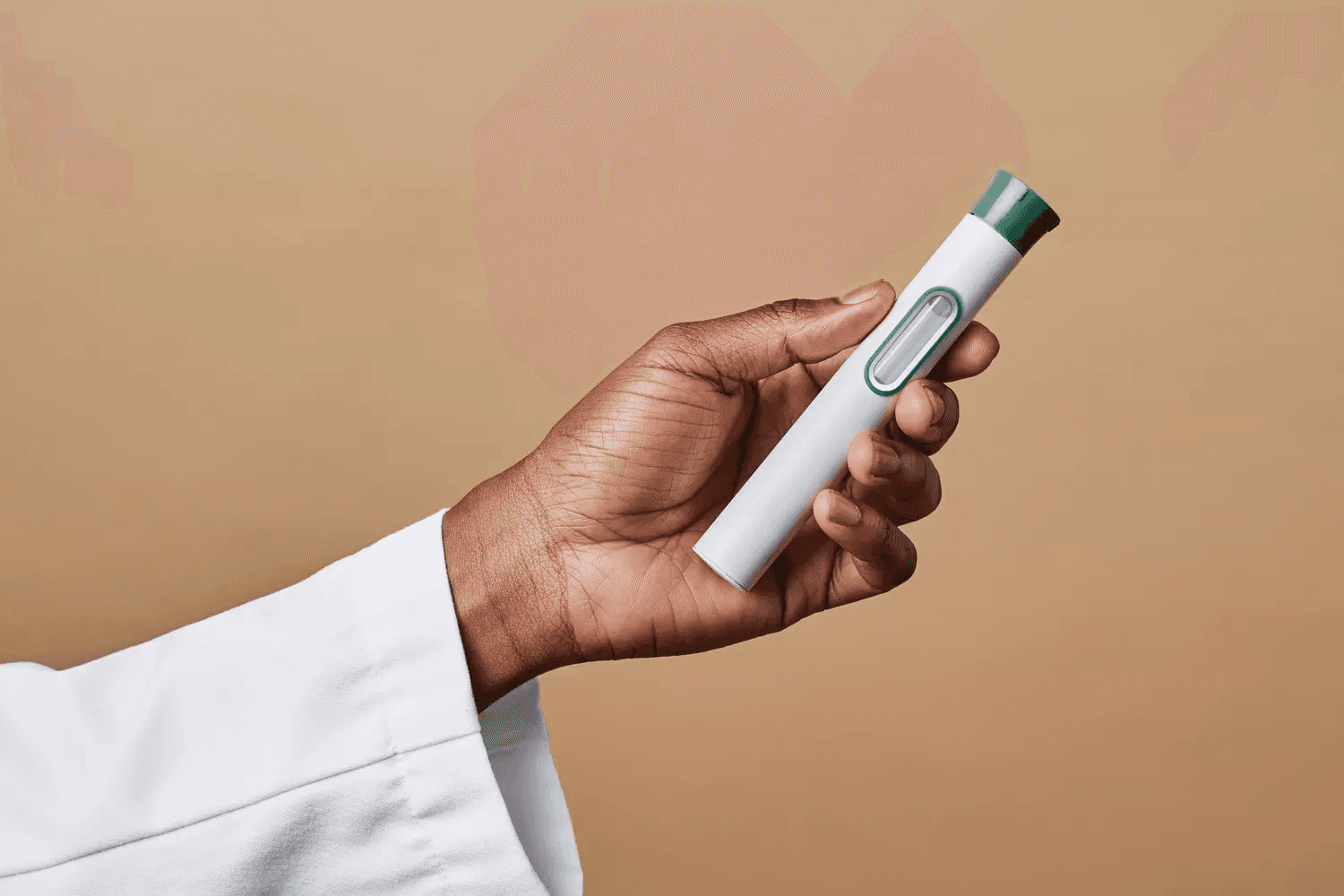
Your first step occurs in conversation, not in a lab. You'll sit down with a healthcare provider, either in person or through a video consultation, and discuss your weight history, eating habits, previous weight loss efforts, current medications, and any health conditions that might affect or prevent you from using GLP-1 therapy. This isn't just a quick prescription refill. Expect 20 to 30 minutes of questions that may feel personal; this is necessary for a good understanding. The provider is trying to figure out if your body's metabolism has worsened enough for medication to be appropriate and whether you're ready for what comes after the prescription. Many people underestimate the importance of preparation. Bring recent lab results, if available; a list of medications and supplements you're taking; and detailed examples of past weight-loss efforts. Avoid vague statements like "I've dieted," Instead, give specifics, such as "I tracked calories for six months and lost 15 pounds, then regained 20 over the next year." That level of specificity helps your provider understand the pattern you're trying to change.
What should you expect during your consultation?
Your provider will ask about previous weight loss attempts, not to judge whether you tried hard enough, but to understand the biological barriers you've faced. Someone who regularly loses weight through calorie restriction but regains it within months has different metabolic issues than someone who can't lose weight at all, even with significant effort. This distinction is important when assessing whether GLP-1 therapy effectively addresses the underlying cause or merely treats a symptom. Expect questions about your relationship with food. Do you eat when you're bored, stressed, or sad? Do you feel real hunger, or is it just a mental urge to eat? Can you stop when you're full, or do you not get that signal?
These aren't judgments about your character, but diagnostic clues. GLP-1 medications work by restoring satiety signals that have become impaired. If your hunger cues are okay and you're eating for emotional reasons, the medication might help a little, but it won't fix the deeper issue. While this doesn't disqualify you, it does mean your treatment plan needs to address both the biological and psychological components. Mental health screening is also important. Depression, anxiety, and eating disorders can all affect how your body reacts to GLP-1 therapy and how you feel the side effects. Some people find that appetite suppression brings back disordered eating behaviors they thought they had gotten over. Others notice changes in mood as blood sugar levels stabilize and the body adjusts to rapid weight loss. Your provider should ask about your mental health history and current state, not to limit your access, but to prepare for challenges and make sure the right support is included in your treatment plan.
What lab work will you need?
Most providers order lab work before starting GLP-1 therapy, especially if your last tests were more than six months ago. A comprehensive metabolic panel checks kidney and liver function, both of which affect how your body processes the medication. Fasting glucose or hemoglobin A1C measures your baseline blood sugar control. A lipid panel evaluates cholesterol and triglycerides. Thyroid function tests rule out conditions that might contribute to weight gain or metabolic dysfunction. These results help establish your starting point and enable your provider to identify any reasons not to start therapy. Reduced kidney function doesn't automatically disqualify you, but it might need dose adjustments or closer monitoring. Elevated liver enzymes may indicate fatty liver disease, and GLP-1s may help improve it. However, your provider must monitor those levels to ensure the medication isn't causing harm. Also, thyroid problems may require treatment before starting GLP-1 therapy, as both conditions affect metabolism and how your body regulates weight.
What physical measurements will be taken?
Physical measurements go beyond the scale. Your provider will record your weight, height, BMI, waist circumference, and blood pressure. Some organizations also measure body composition using bioelectrical impedance or other methods to distinguish between fat and lean muscle. This baseline is critical when assessing your progress. Weight loss means nothing if you're losing muscle instead of fat. Tracking composition helps adjust protein intake and resistance training to keep the tissue you want to maintain.
How are decisions made about therapy?
The decision involves three key factors: clinical criteria, medical appropriateness, and insurance authorization. Clinical criteria are straightforward; you either meet the BMI threshold with or without weight-related health conditions, or you don't. Medical appropriateness requires your provider's judgment. They evaluate whether the benefits outweigh the risks based on your specific health history and whether you're prepared to manage the daily requirements of GLP-1 therapy. Insurance authorization introduces bureaucracy unrelated to medical need. Your provider submits a prior authorization request that includes your BMI, diagnosis codes for any weight-related conditions, documentation of previous weight loss attempts, and a clinical justification explaining why GLP-1 therapy is medically necessary in your case.
That request goes to a utilization review nurse or pharmacist employed by your insurance company, who applies the plan's coverage criteria. Those criteria often exceed FDA approval standards and require participation in behavioral programs, step therapy with older medications, or documented failure of multiple lifestyle interventions over a specified timeframe. The approval process can take anywhere from 48 hours to several weeks. Denials are common on the first submission, not because you don't qualify medically, but because the documentation didn't meet every line item in the insurance company's checklist. Appeals require additional paperwork, peer-to-peer calls between your provider and the insurance company's medical director, and, in some cases, letters from specialists supporting the medical necessity of treatment.
One person described being prescribed Wegovy by their doctor, only to have their insurance company deny coverage. They demanded enrollment in a program like Noom before reconsidering. Although the medication was already effective, the policy change created a new hurdle, resembling a revenue-generating middleman rather than a clinical safeguard.
What are the options for telemedicine platforms?
Telemedicine platforms have made it easier for people who live in areas without weight-management specialists or for those whose work schedules make it hard to attend in-person appointments. Users complete an online health questionnaire, upload recent lab results, or consent to new tests at a local lab before meeting with a provider via video call. If they qualify, the prescription is sent to a partner pharmacy, which delivers the medication straight to the user's home. The convenience is real, but the quality can vary. Some platforms do careful evaluations that are as good as in-person care, while others seem more like a quick transaction. In these cases, providers may spend only five minutes reviewing a questionnaire before prescribing. That quickness might seem beneficial compared to the usual barriers, but it can lead to less thorough checks for problems, fewer discussions about realistic expectations, and insufficient support when side effects occur or progress slows.
Cost structures vary a lot. Some telemedicine platforms charge monthly subscription fees that cover consultations, prescription management, and ongoing support. Others charge per visit and work with insurance to cover medication costs. Still others operate completely outside the insurance system, offering compounded semaglutide or tirzepatide at lower prices than brand-name versions. Compounded medications aren’t FDA-approved, so they haven’t gone through the same safety and effectiveness tests as brand-name drugs. They might work just like their counterparts, or they might be different in strength, purity, or stability. This uncertainty is very important when injecting medication into the body every week. For those exploring the GLP-1 app, it can help assess options and make informed treatment plan decisions.
How can you effectively track medication progress?
Most teams handle medication tracking through a mix of calendar reminders, notes apps, and memory. This approach feels manageable at first because the routine is simple: one injection per week, gradually increasing doses, and a few side effects to monitor. However, as weeks turn into months and the complexity grows, that informal system starts to fracture. You may forget whether you took your injection on Tuesday or Wednesday. You might not recall if the nausea was worse last week or this week. Important patterns, such as how much protein you ate yesterday, can be lost, leaving you unsure whether it contributes to fatigue. Ultimately, vital insights get buried in scattered notes, preventing the clarity needed to adjust your approach.
Platforms like MeAgain's GLP-1 app centralize tracking that determines whether GLP-1 therapy is effective. Logging your injection schedule helps prevent missed doses and helps you determine whether side effects are related to timing. Furthermore, monitoring protein intake helps prevent muscle loss and hair thinning that can occur when weight loss is too rapid and nutrition is inadequate. Tracking mood, energy, and physical measurements gives a complete picture of progress, not just what the scale shows. This structured approach turns scattered data into actionable insights, helping you build sustainable habits rather than chasing short-term results.
What is the timeline for starting GLP-1 therapy?
The timeline from the first consultation to the first injection depends on how quickly your insurance approves coverage and how readily the medication is available. If you’re paying out of pocket or your insurance approves quickly, you might start within a week. On the other hand, if prior authorization takes longer or if your first-choice medication is on backorder, it could take several weeks or even longer. Your provider should provide a realistic estimate based on current supply and your insurance plan's typical approval times.
Once you start, expect a titration period of 8 to 16 weeks, during which your dose gradually increases. Beginning at the lowest effective dose helps to reduce gastrointestinal side effects, and your dose will be adjusted every four weeks until you reach the maintenance dose or the highest level you can tolerate. Some people experience appetite suppression right away, while others may not see significant changes until they have maintained the dose for several weeks. Weight loss typically follows a similar pattern: most individuals notice steady progress after the first month, though the timeline can vary based on starting weight, metabolic health, and lifestyle factors.
What follow-up will be required?
Follow-up appointments occur monthly during the first titration period, then every three months once stability is reached. During these visits, your provider will check your weight, review any side effects, review lab results if needed, and assess your overall response to treatment. These check-ins are important because they help your provider identify complications early, adjust your dose if progress stops, and ensure you build habits that sustain results after you stop the medication.
What if you don't qualify for GLP-1 therapy?
Not everyone who wants GLP-1 therapy will meet the criteria or get insurance approval. If your BMI is below the limit and you don't have weight-related health issues, the risk-benefit calculation does not support giving these medications. Also, if you have conditions like a history of medullary thyroid cancer or severe gastroparesis, the safety risks are greater than the potential benefits. When insurance denies coverage and costs become prohibitive, access becomes a financial problem rather than a medical one. There are other options. Some people aim for weight loss through structured lifestyle programs, working with registered dietitians and exercise physiologists to address the same metabolic dysfunction that GLP-1s target, just using different methods.
Others look into older weight-loss medicines such as phentermine-topiramate or naltrexone-bupropion, which have different side effects and lower costs but also yield smaller results. Bariatric surgery is still an option for people with severe obesity who haven't had success with medications or lifestyle changes, though it comes with surgical risks and needs lifelong diet adjustments. Feeling disappointed about not qualifying for GLP-1 therapy doesn't mean that your weight isn't a problem or that you haven't tried hard enough. This means the specific tool you were hoping for is not available at this time, given the defined criteria and your personal situation. This can feel especially unfair when you see others succeed with GLP-1 therapy while you deal with the same challenges that led you to seek help in the first place. It's important to understand that qualification is just the first step. The real work starts after the prescription is given.
Support Your GLP-1 Journey Beyond the Prescription
Getting the prescription is one thing. What you do with it determines whether you lose weight and gain it back six months later, or build something that lasts. The medication helps by reducing hunger signals and stabilizing blood sugar. However, it doesn't teach you how to eat differently, exercise regularly, or recognize when feeling tired means you need more protein rather than just resting. Those skills develop through daily practice, which most people lack at the outset. The gap between prescription and sustainable change is where many GLP-1 journeys get stuck. You start with hope, watching the scale go down week after week, feeling like you've finally found a tool that works. Then, side effects may worsen, such as low energy and hair thinning, or early progress may slow.
Without a way to track what's happening and why, you're left unsure whether to adjust your dose, increase protein intake, add strength training, or simply wait for your body to adjust. This uncertainty can erode your confidence and make it harder to stay consistent when results plateau. MeAgain turns that scattered effort into structured progress. The app tracks your injection schedule, so you never miss a dose or wonder when you last took one. It monitors your protein intake because adequate protein is key to losing fat rather than muscle, and to keeping your hair rather than letting it thin. It also tracks side effects, so you can identify patterns, such as when nausea worsens on certain days or improves when you eat smaller meals.
Plus, it shows your journey with progress cards that highlight how far you've come, not just in weight but also in energy, mood, and physical ability. That complete view helps you focus on building lasting habits rather than chasing a number on the scale. The medication opens a door, and what you create in that space determines if the weight stays off when you stop taking it. That's not a lack of willpower; it's a problem with the approach and the tools used. Explore the GLP-1 app to support your journey.
Related Reading
Best Place To Get Mounjaro
Best Place To Buy Tirzepatide Online
Microdosing Glp 1
Top Semaglutide Providers
Tirzepatide Compound Cost
Cost Of Oral Wegovy
Best Place To Get Wegovy Online
503a Pharmacy Tirzepatide
Best Place To Get Semaglutide