
lifestyle
How Long Does Tirzepatide Take to Work? Complete Timeline

Ana Reisdorf, MS, RD - GLP-1 expert
Feb 14, 2026
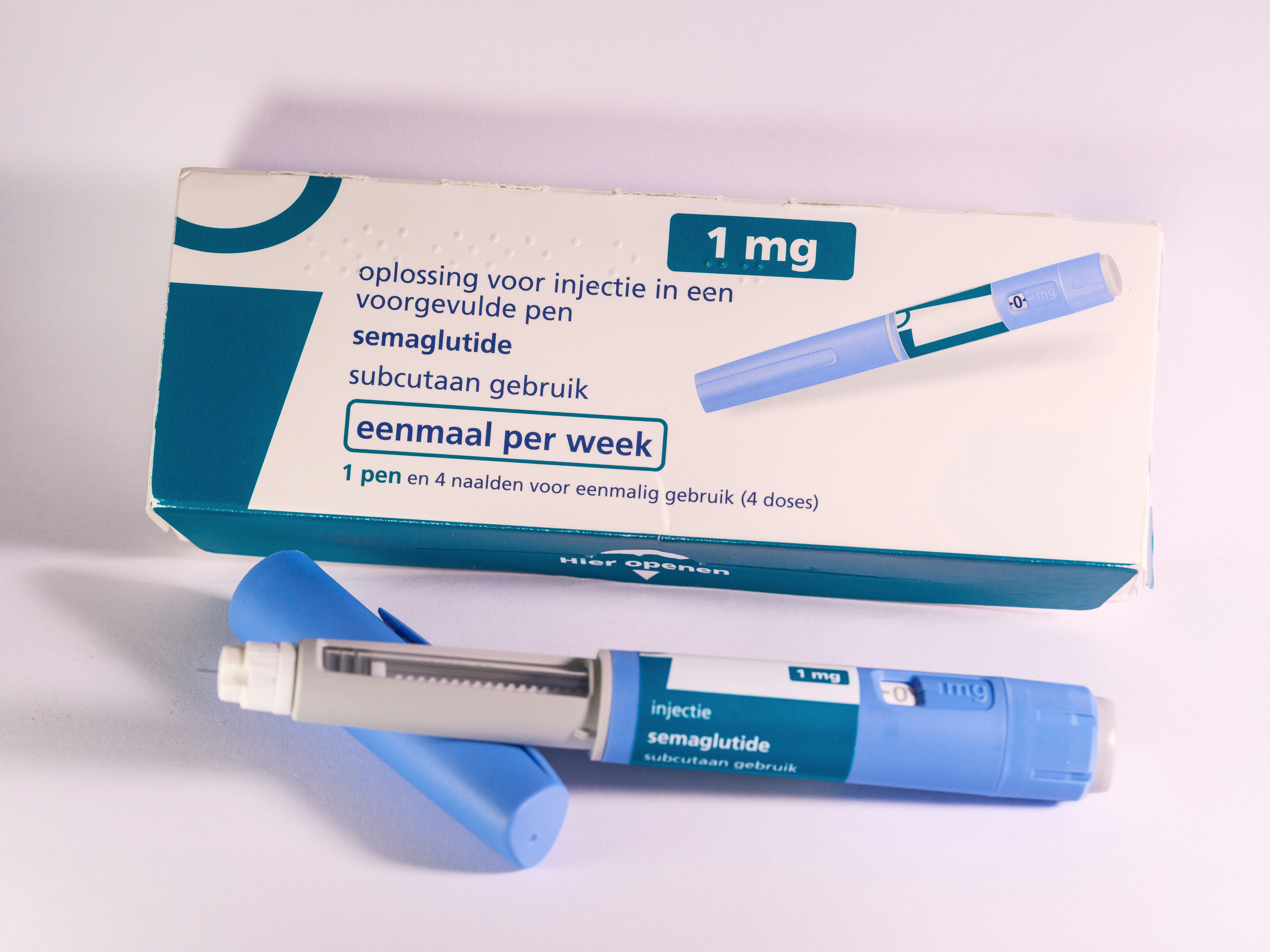
Patients using tirzepatide often wonder, how long does tirzepatide take to work? Research indicates that the medication promotes gradual changes in appetite and metabolism through its GLP-1 benefits, so noticeable improvements occur over time rather than immediately. Understanding the timeline from the first dose to sustained results helps set realistic expectations and guides treatment decisions.
Monitoring progress using clear indicators, such as appetite shifts and weight loss, can provide confidence in the treatment plan. Detailed tracking supports informed discussions with healthcare providers and validates the gradual progress made. MeAgain’s GLP-1 app offers practical tools to monitor these changes and empower users throughout their journey.
Summary
Tirzepatide enters your bloodstream within eight to 72 hours after your first injection, but the physical changes you're hoping for unfold over weeks and months. The medication typically reduces appetite within one to two weeks for most people, though this timeline assumes you're on a therapeutic dose. Your starting dose of 2.5 mg is intended to help your body tolerate the medication without causing significant side effects, not to trigger dramatic weight loss. The most powerful effects typically occur months into treatment, as your provider increases your dose by 2.5 mg every 4 weeks.
Clinical trials show that participants taking tirzepatide lost an average of 15-21% of their body weight over 72 weeks, but weight loss isn't linear. By week four, participants typically lost around 3% of their starting body weight. The most significant weekly weight loss occurred between weeks eight and 12 for those on 15 mg. Blood sugar improvements appear faster than weight loss, with lower fasting glucose readings within four weeks, but A1C results take at least 12 weeks to reflect meaningful change.
Higher doses produce greater total weight loss, not just faster initial drops. Participants on 5 mg lost an average of 12% of their body weight over 52 to 72 weeks, while those on 15 mg lost 18%. That six-percentage-point gap represents the difference between losing 24 pounds and 36 pounds if you start at 200 pounds. The dose you're on sets a ceiling on your results, and titrating up increases the risk of additional loss if your provider determines the higher dose is appropriate.
Missing even one weekly injection lowers tirzepatide concentrations in your bloodstream, which directly reduces the medication's appetite-suppressing effects. When levels drop, appetite returns more aggressively, cravings intensify, and fullness signals weaken. People who maintain perfect adherence, injecting on the same day each week without delays or missed doses, report more stable appetite suppression and more predictable weight loss patterns than those with inconsistent dosing schedules.
Protein intake of 25 to 30 grams per meal improves satiety and helps preserve muscle mass during weight loss. People who prioritize protein report better appetite control and less muscle loss compared to those who don't track macronutrients. Whole foods, high in fiber and slow-digesting, further slow digestion and complement the medication's effect on gastric emptying, whereas processed foods trigger cravings and blood sugar spikes that work against tirzepatide's mechanisms.
GLP-1 app addresses this by helping you track protein, fiber, water, and movement targets alongside your injection schedule, making it easier to maintain the consistency that determines how quickly tirzepatide produces results.
Table of Content
How Quickly Can You Expect Results With Tirzepatide?

Users may notice tirzepatide working before seeing noticeable results. The medication enters the bloodstream within eight to 72 hours after the first injection. However, physical changes such as quieter food noise, visible weight loss, and steady blood sugar levels occur over weeks and months, not days.
This isn’t a flaw in the medication; it demonstrates how the body safely adjusts to a completely different approach to hunger, metabolism, and glucose control. If you're exploring ways to enhance your results with tirzepatide, consider using our GLP-1 app for better support.
The expectation gap often causes more frustration than the medication itself. When starting tirzepatide, many people imagine a quick change. They expect the scale to drop dramatically by week two. When that doesn't happen, doubt can creep in. Users may wonder whether they are doing something wrong, whether their bodies are resistant, or whether the medication is working at all. The reality is simpler but harder to accept: meaningful change requires the body to adjust systems that have been working one way for years, and that recalibration follows a specific, gradual timeline.
Clinical trials show that participants taking tirzepatide lost an average of 15-21% of their body weight over 72 weeks. However, that endpoint hides the week-by-week reality. Weight loss isn't a straight line. You don't lose the same amount each week for 72 weeks. Instead, the pattern resembles stairs more than a ramp: periods of steady decline, followed by plateaus, then another drop.
When will noticeable changes occur?
In the SURMOUNT-1 trial, participants receiving 15 mg of tirzepatide achieved their greatest weekly weight loss between weeks 8 and 12. Before that, their bodies were adjusting. Subsequently, the rate of weight loss slowed as participants approached healthier body weights. By week 12, the average participant had lost about 8% of their starting weight.
By week 40, blood sugar control was nearly normal for most people with type 2 diabetes. These milestones are important because they show that different results happen at different times.
Blood sugar improvements usually happen more quickly than weight loss. People may notice lower fasting glucose levels within four weeks.
In contrast, A1C results, which measure average blood sugar over three months, take at least 12 weeks to show a significant change. While the body begins to respond to the medication on day one, the tests used to assess success are slower to reflect the biological changes already underway.
Timeframe | What to expect |
8–72 hours | Tirzepatide starts working right away. Peak bloodstream concentration is reached within 8–72 hours. Monitor for any serious reactions, like allergic reactions or severe gastrointestinal symptoms. |
Weeks 1-3 | You might start noticing that you feel less hungry and have less “food noise.” Side effects like nausea, diarrhea, and constipation are also common. Blood sugar changes might not be apparent at this point. |
Week 4-8 | By the end of the first month, you may have lost about 3% of your initial body weight. You’ll also start noticing blood sugar improvements. Your healthcare provider will likely increase your dose at week five (and every four weeks thereafter until you reach the optimal dose), which may temporarily worsen gastrointestinal side effects. From there, steady, more visible weight loss may begin. |
Weeks 8-12 | You may notice more significant weight changes. Clinical trial participants experienced approximately an 8% reduction in body weight by week 12. By week 12, you should see lower A1C results. |
3+ months | Weight loss can continue for at least one year. Most people achieve near-normal blood sugar control at 40 weeks (nine months). |
What happens in the initial hours?
Your first injection initiates biological processes immediately. Tirzepatide reaches peak concentration in your bloodstream somewhere between eight and 72 hours after injection. During this time, the medication binds to GLP-1 and GIP receptors, which signal your pancreas to release insulin when blood sugar levels rise and slow the rate at which your stomach empties after meals.
Most people will not notice these changes happening. Some may feel mild nausea or fatigue as their body gets used to the medication, while others might feel nothing at all.
This section focuses on monitoring for serious reactions, such as allergic reactions or severe stomach issues. Although these reactions are uncommon, they require immediate medical attention if they occur. The lack of strong symptoms does not mean the medication isn't working; it just means your body is handling it as expected.
What do the first few weeks look like?
The first three weeks on tirzepatide feel surprisingly normal for most people. Many may notice they are slightly less interested in food between meals. Also, individuals often feel fuller faster when they eat. It's also common not to see any changes yet, especially at the 2.5 mg starting dose, and that's completely normal.
According to the Premiere Concierge & Wellness Blog, many people notice results in just a few weeks, but these changes typically appear as small shifts in hunger patterns rather than significant weight changes. You're not worrying about your next meal.
The constant thoughts about food, which some people call food noise, begin to subside. You can go longer between meals without feeling cranky or desperate to eat.
During this time, side effects such as nausea, diarrhea, and constipation may occur. The digestive system is adapting to slower gastric emptying, which means food remains in the stomach longer than before. This change can be uncomfortable, especially after larger meals or meals high in fat. Nausea usually improves within a few days as the body adapts, but it may recur with each dose increase.
What changes happen by the end of the first month?
After four weeks on 2.5 mg, most healthcare providers increase the dose to 5 mg once weekly. This is when many people begin to notice more noticeable effects. The higher dose increases appetite suppression, and weight loss often becomes visible on the scale.
By the end of the first month, people with obesity typically lose about three percent of their initial body weight. For example, if a person started at 200 pounds, that's roughly six pounds. While this may not seem dramatic, it is consistent. Blood sugar improvements also begin to appear during this period, though they are still developing rather than fully optimized.
The dose increase can temporarily worsen gastrointestinal side effects. Nausea might return even if it had gone away during weeks two and three. Your stomach might feel uncomfortably full after eating normal-sized meals. These symptoms usually resolve within a week or two as your body adjusts to the higher dose, but they're a reminder that tirzepatide works by changing how your digestive system functions, not just by suppressing appetite through willpower or motivation.
What to expect by week 12?
This phase is where tirzepatide's effects become clear. By week 12, participants in clinical trials saw their body weight drop by about 8%, equivalent to losing 16 pounds for someone who started at 200 pounds. Clothes fit differently, and others may notice these changes as well. Many people see differences in the mirror that go beyond just the number on the scale.
Blood sugar control also improves during this period. If you're checking A1C levels, which show average glucose levels over the past three months, you'll see substantial drops by week 12. Daily glucose readings become steadier, with fewer postprandial spikes and better fasting levels in the morning.
How do dose adjustments impact progress?
Your healthcare provider likely increases your dose around week nine, moving from 5 mg to 7.5 mg once a week. Each increase brings temporary side effects, but the pattern becomes familiar. You know what to expect; the nausea lasts a few days and then goes away. You adjust your meal sizes and timing to minimize discomfort, making the process feel less mysterious and easier to handle.
This is also when many people see the fastest weekly weight loss. The rate won't stay this high forever as you get closer to your goal weight and progress naturally slows. However, during weeks eight through twelve, the combination of appetite suppression, metabolic changes, and behavior adjustments creates momentum that feels encouraging rather than frustrating.
How long does weight loss typically continue?
Weight loss continues for at least a year on tirzepatide, but the rate can be very different from person to person. Some people reach their goal weight in just six months, while others may need the full 72 weeks to achieve their results. Most individuals achieve near-normal blood sugar control at 40 weeks, about nine months of steady use.
Dose adjustments are typically made every four weeks until a maintenance dose is identified that is effective without causing significant side effects. According to Numan, the 15 mg maximum weekly dose of tirzepatide is the highest allowed. Not everyone needs to reach this high dose to see good results. Your healthcare provider will decide the right amount based on how your body responds, any side effects you might have, and whether you are achieving your health goals.
What other health improvements might occur?
The longer you stay on tirzepatide, the more you notice that weight loss is just one part of the changes happening. Energy levels improve as blood sugar levels stabilize. Joint pain often improves with weight loss, and sleep quality usually improves as well. The total effects go beyond what you can see on the scale or what glucose monitors show.
Many people reach a weight-loss plateau between 24 and 72 weeks. During this time, the scale stays the same, even if you are taking the medication regularly.
This doesn't mean the medication has stopped working; it simply means your body has adjusted to the current dose and calorie intake. If you haven't reached the maximum dose, increasing it can help restart weight loss. Adjusting your protein intake, increasing activity during the day, or monitoring whether portion sizes have gradually increased can also be effective strategies.
How does appetite suppression work?
Tirzepatide typically reduces appetite within four weeks of starting the medication; however, timing can vary with the dose. Some people notice less hunger in the first week or two, while others may not notice significant changes in appetite until their dose reaches 5 mg or more by week five.
Research shows that people taking 15 mg of tirzepatide felt changes in appetite during their first week, but most do not reach that dose for several months. By the third week on 5 mg, participants reported benefits including reduced hunger, greater fullness after meals, and less stress eating.
They also felt fewer cravings for high-fat foods, sweets, and starchy carbohydrates. These changes in eating patterns help set the stage for weight loss. However, it takes longer for the scale to reflect these changes than for people to notice changes in their hunger levels.
Why does weight loss take time to reflect?
The delay between feeling less hungry and actually losing weight frustrates many people who expect these changes to occur simultaneously. You feel less hungry right away, so why doesn't the weight drop just as quickly? Weight loss needs a sustained calorie deficit over time.
Even if you're eating less every day, your body takes weeks to burn through stored fat at a rate that can be seen on the scale. The appetite changes are effective, and weight loss is occurring, but the timeline doesn't align with the immediate results we expect.
Tirzepatide starts to affect blood sugar levels soon after you take the first dose, but noticeable improvements take at least four weeks to appear. If you're checking your glucose levels daily, you might notice slightly lower numbers after meals within the first couple of weeks. However, consistent and stable blood sugar control takes months to fully develop.
How does tirzepatide impact blood sugar?
Mounjaro, the tirzepatide medication approved specifically to treat type 2 diabetes, usually shows noticeable glucose-lowering effects after four weeks. A1C improvements take about 12 weeks because this test measures average glucose levels over the last two to three months. Changes in A1C can't be detected any faster than the measurement time.
It can take about 40 weeks for tirzepatide to bring blood sugar levels close to normal in people with type 2 diabetes. That’s almost ten months of regular use, gradual dose increases, and metabolic changes happening under the surface.
Those who check their glucose levels daily or after meals may notice rapid changes. However, getting the best blood sugar control, important for reducing long-term diabetes problems and improving overall metabolic health, takes patience and goes well beyond the first few months.
What are the risks of unrealistic expectations?
The gap between starting medication and achieving stable blood sugar creates a dangerous window. During this time, some individuals stop taking tirzepatide because they don't think it's working. They may see small improvements in the first month and expect them to accelerate.
When progress feels slower than expected, they assume their body isn't responding to the medication. Their body is responding as it should; the timeline simply doesn't align with their expectations.
Tracking your tirzepatide journey with tools that show patterns over time helps close this expectation gap. Instead of focusing on daily ups and downs that feel random or discouraging, you can see the overall trend moving in the right direction. Small improvements add up to big changes, but only if you stay consistent long enough to let those patterns develop.
MeAgain's GLP-1 app helps you track changes in appetite, blood sugar levels, weight, and side effects throughout your tirzepatide journey, making it easier to recognize those gradual patterns and stay consistent as your body adjusts to the medication.
How to manage expectations effectively?
Unrealistic expectations about tirzepatide's timeline create the biggest barrier to long-term success. Many people start the medication hoping to lose 20 pounds in the first month. When they lose only three or four pounds, they often feel disappointed, even though that aligns with clinical trial predictions. This disappointment can lead to frustration, which might make them inconsistent.
Some might skip a dose because they doubt it works or even stop taking the medication altogether, thinking their body is somehow different or not normal.
Adherence drops sharply when people don't understand what realistic progress looks like. They may compare their experience to someone else's social media post about losing 50 pounds in six months, which can make them feel like they are failing. What they often miss is that the person they're comparing themselves to might have started at a much higher weight, could be on a higher dose, or may be months ahead in their journey. This comparison creates a false standard that undermines the achievement of normal progress.
What is the importance of gradual weight loss?
Slow, steady weight loss is more sustainable than rapid weight loss. People who lose weight gradually are more likely to keep it off over time because they have time to build new habits around eating, movement, and self-monitoring.
The medication helps the body lose weight by reducing appetite and improving metabolic function. However, lasting change requires behavioral adjustments that take time to take hold.
Patience isn't just about waiting; it's about actively engaging in a process you trust, even when results seem slower than expected. It means regularly tracking progress to identify patterns that may not be clear every day. It's important to adjust expectations to match what the medication can realistically do, rather than what one wishes it could do immediately.
How to stay engaged through the journey?
Knowing what to expect is only half the challenge. The other half involves establishing a system to stay engaged with your progress, even when it may feel invisible.
Related Reading
Factors Affecting How Fast Tirzepatide Works for Weight Loss

Your dose, starting weight, consistency, and daily habits are important in figuring out how quickly tirzepatide shows results. The medication shows predictable patterns in clinical trials. However, your own timeline is affected by both controllable and uncontrollable factors. Understanding these factors helps you set realistic expectations and identify areas for improvement to accelerate progress.
For those looking to enhance their experience, consider exploring our GLP-1 app to complement your efforts.
How does dosage impact weight loss results?
Higher doses lead to more total weight loss, not just quicker initial results. According to Clinical Obesity's analysis of the SURMOUNT-1 and SURMOUNT-4 trials, the 15 mg maximum dose of tirzepatide showed very different results compared to lower doses.
Participants on 5 mg lost an average of 12% of their body weight over 52 to 72 weeks, while those on 15 mg lost 18%. This 6 percentage-point difference corresponds to losing 24 pounds versus 36 pounds when starting at 200 pounds.
The prescribed dose limits results affecting not only how quickly weight loss occurs but also how much is lost.
If someone has been on 5 mg for months and their weight loss has plateaued at 10-12%, they are not failing; they have reached the expected result for that dose.
Increasing to 10 mg or 15 mg may allow for additional weight loss, but this depends on the provider determining that the higher dose is appropriate for the individual's health and tolerance.
A dose-dependent response helps explain why some people may feel upset with lower maintenance doses, while others on higher doses see steady progress. The medication is not working differently for people at the same dose; it works as expected.
However, the body's response changes with the strength of the dose. The body responds to the amount of tirzepatide present; higher doses increase appetite suppression, slow gastric emptying, and improve insulin sensitivity more significantly.
What does percentage-based weight loss mean?
Percentage-based weight loss creates an optical illusion around speed. Two people on the same dose, losing the same percentage of body weight, will show different scale readings each week. This difference is unrelated to the medication's effectiveness.
For instance, if you start at 350 pounds and lose 21% over 72 weeks, you'll lose roughly 73.5 pounds, averaging just over 1 pound per week. In contrast, if you start at 285 pounds and lose the same 21%, you'll lose about 60 pounds, or less than one pound per week.
Same medication, same dose, same percentage, but the absolute results differ. Someone starting at 350 pounds might feel the medication is working faster because the scale moves more dramatically. However, physiologically, both bodies are responding in the same way.
This distinction matters because it shapes how individuals interpret their own progress. If you're comparing your results to someone who started 50 pounds heavier, their weekly pound loss will seem more impressive, even though your percentage loss is identical.
The medication reduces body weight as a percentage of your current weight, not by a fixed number of pounds. Your starting point determines the absolute numbers, but the mechanism remains the same.
How does weight impact visible progress?
Lighter individuals often notice slower visible progress in the first 12 weeks because smaller percentage drops mean fewer pounds lost. For instance, a 3% loss at week four is 6 pounds for someone who weighs 200 pounds, but only 4.5 pounds for someone who weighs 150 pounds. Both are making progress and responding; the scale simply shows different results.
What happens when doses are missed?
Missing even one weekly injection lowers tirzepatide concentrations in the bloodstream, which directly reduces the medication's ability to suppress appetite. The drug works by maintaining steady receptor activation over time. When the levels drop, the signal that tells your brain you're full gets weaker. This causes your stomach to empty faster and your pancreas to release insulin more effectively.
Skipping a dose doesn’t just delay progress by one week; it disrupts the body's natural rhythm that the medication creates. As a result, appetite may return more aggressively. Cravings grow stronger, and signals of fullness weaken.
You might start thinking about food all the time, reaching for snacks between meals, and finishing larger portions than you would have the week before. This isn’t a failure of willpower; it means that receptor activity is decreasing because there isn't enough medication in your system.
How can consistency improve results?
People who follow the plan by injecting on the same day each week, without delays or missed doses, often report a more stable appetite and more predictable weight loss. They avoid the up-and-down feelings of being in control one week and battling hunger the next.
Consistency is not just about discipline; it's about keeping the medicine in the body at the right levels so the natural processes continue to work properly.
When someone reports the medication "stopped working," the first question is whether they’ve missed any doses or delayed their injections. The medication itself does not stop working. Instead, the amount in the bloodstream decreases, resulting in weaker effects that make weight loss feel easier.
What lifestyle factors impact tirzepatide's effectiveness?
Tirzepatide is approved for use alongside a lower-calorie diet and increased physical activity. The medication boosts the body's reaction to these lifestyle changes; it does not replace them. Clinical trials that reported 15-21% weight loss included participants who followed specific eating plans and exercise routines. The medication made it easier to keep up these behaviors by lowering hunger and cravings, but the behaviors themselves were still very important.
If someone is taking tirzepatide but eating maintenance calories, they will lose weight more slowly than someone who is in a caloric deficit. While the medication helps people feel satisfied with fewer calories, they still need to eat less overall. It reduces the mental strain of restriction without changing thermodynamics; energy balance remains crucial.
How does nutrition affect weight loss?
Protein and fiber intake significantly influence fullness and the preservation of muscle mass during weight loss. Individuals who focus on protein, aiming for 25 to 30 grams per meal, report feeling fuller and losing less muscle. Fiber also slows digestion, which helps tirzepatide improve gastric emptying. These changes are important because they are foundational behaviors that determine whether the body loses fat only or a mix of fat and muscle, and whether one feels energized or tired.
Does physical activity enhance results?
Physical activity helps you see better results. It does this not just by burning calories, but also by improving insulin sensitivity and preserving metabolic rate during weight loss. You don’t have to do intense workouts; even walking for 30 minutes most days, doing strength training twice a week, or staying active in any way can improve the medication's effectiveness. People in clinical trials who used tirzepatide along with regular exercise had better blood sugar control and greater total weight loss than those who only took the medication.
How does tracking contribute to weight loss?
Most people find that tracking their nutrition, hydration, and activity in one place makes it easier to stay consistent with what tirzepatide requires. When users can view their protein intake alongside their injection schedule and side effects, it’s easier to identify patterns. For example, days with higher protein intake are often associated with better appetite control.
Drinking enough water usually helps reduce nausea, and in weeks when people move more, even just a little, they often see better scale progress. This visibility changes vague advice into actionable adjustments.
Does diabetes impact tirzepatide's effectiveness?
Type 2 diabetes creates metabolic resistance, which makes it harder to lose weight with tirzepatide. In clinical trials, participants with diabetes lost up to 15% of their body weight, while those without diabetes lost up to 21%. This six-percentage-point difference shows a limit set by insulin resistance, chronic inflammation, and altered glucose metabolism.
People with diabetes are already facing metabolic problems, which makes losing weight tougher, even with medication. While tirzepatide improves insulin sensitivity and lowers blood sugar, it cannot fully reverse years of metabolic damage in just 72 weeks. Still, your results can be significant.
Losing 15% of your body weight can significantly lower cardiovascular risk, improve mobility, and often allow you to reduce diabetes medications. However, expecting the same percentage loss as someone without diabetes can cause frustration.
How do other medical conditions affect weight loss?
Other conditions that affect hormone balance, thyroid function, or cortisol levels also influence how quickly weight loss happens. For example, hypothyroidism slows down metabolism, while polycystic ovary syndrome (PCOS) raises insulin resistance. Also, sleep apnea interrupts hormone regulation.
Even though these conditions do not stop tirzepatide from working, they can make the weight loss process more difficult. By addressing these issues alongside GLP-1 treatment, people can achieve better outcomes.
What role does medication play in weight changes?
One person talked about how they gained weight quickly after they started taking antidepressants. They tried to lose weight for two years using diet and exercise, but nothing worked. Routine blood tests showed no metabolic issues, but the medication had altered their baseline.
Tirzepatide provided a way to help with that medication-induced weight gain by tackling the changes in appetite and metabolism caused by the antidepressants. The frustration wasn't about how hard they worked; it was about battling a physiological shift that regular methods couldn’t fix.
How do sleep and stress impact weight loss?
Poor sleep increases ghrelin (the hunger hormone) and decreases leptin (the satiety hormone), making you hungrier even when tirzepatide is suppressing appetite. Chronic stress elevates cortisol, which promotes fat storage, especially around the abdomen, and leads to emotional eating.
Alcohol adds empty calories, disrupts sleep quality, and reduces impulse control around food.
How can lifestyle adjustments improve weight loss?
These factors are not minor; they act as hormonal disruptors that work against tirzepatide's mechanisms. The medication cannot fully fix problems caused by regular poor sleep or high stress levels. For example, if a person only sleeps five hours a night, their hunger signals will be stronger than those of someone getting eight hours, even if both are taking the same dose. Also, if a person is drinking several nights a week, they are taking in hundreds of calories, which goes against the caloric deficit that the medication helps to maintain.
What impact does late-night snacking have?
Late-night eating comes from our body's chemistry. Not getting enough sleep and feeling stressed both increase our desire for high-fat, high-sugar foods because the brain seeks quick energy to compensate for what it has lost. Also, drinking alcohol can weaken our self-control, making it harder to resist these food cravings.
This often leads to mindless eating, which adds extra calories without really satisfying our hunger. This habit can slow down weight loss, even if a person sticks to their medication.
How can small changes improve weight loss speed?
Addressing these factors doesn't need to be perfect. Improving sleep from five to seven hours, reducing alcohol intake from five drinks per week to two, and finding one stress-management practice, such as walking, meditation, or therapy, can lead to noticeable improvements in how quickly you lose weight.
The medication works better when your hormonal environment supports it instead of working against it. Understanding what influences your timeline is only part of the answer. Once all these factors have been addressed, what do you do if the scale still doesn't change?
Related Reading
Can You Take Semaglutide Every Other Week For Weight Loss
How Old Do You Have To Be To Take Ozempic
What to Do if You’re Not Seeing Results on Tirzepatid

Talk to your healthcare provider first. They can check whether your current dose needs adjusting, whether you've given the medication enough time to reach the right levels, or whether switching to a different GLP-1 medication might work better for you.
This isn't giving up; it’s about understanding that medication response varies by individual. Finding the right match needs professional help, not guesswork.
Variable responses are normal. Some individuals respond quickly to lower doses, while others require increasing to 10 mg or 15 mg before appetite suppression is noticeable.
A small number of people don't respond to tirzepatide, but they may see better results with semaglutide, which targets only GLP-1 receptors rather than both GIP and GLP-1. The medication isn’t failing you; your body chemistry just processes these compounds differently, and that difference is biological, not personal.
You might not feel the effects of 2.5 mg or 5 mg. Those doses are meant to build tolerance, not to cause immediate changes.
According to Fay Nutrition, most people achieve 15-20% body weight loss over the treatment period, but this result requires higher doses to be sustained. If you've been on tirzepatide for just six weeks and you're still at the starting dose, your body hasn't yet experienced the medication's full potential.
Why is titration important for tirzepatide?
Doses typically increase every four weeks. This means you won't reach 10 mg until week 12 or 15 mg until week 16. The appetite suppression and weight loss that many people report often don't occur until these higher doses take effect.
It’s totally normal to feel frustrated at week eight on 5 mg; however, your body is still in the early stages of getting used to the medication. While the medication is working in your bloodstream, helping to lower blood sugar spikes and slowing how quickly your stomach empties, it hasn't yet reached levels that cause the significant hunger reduction you may be waiting for.
Being patient during this phase isn't just about doing nothing. It's about allowing your body to adjust without causing excessive side effects while preparing for higher doses later.
People who stick to the titration schedule through week 16 often say that the medication "kicked in" when they reached 10 mg or 12.5 mg, even if earlier doses didn't seem to work. This delayed reaction is common; it's a part of how dose-dependent medications function.
How should diet support tirzepatide treatment?
Appetite suppression makes it feel easy to eat less, but the type of food you choose greatly affects how your body reacts. Protein is essential for maintaining muscle mass during weight loss and helps people feel full for longer between meals. It also takes more energy to digest than carbohydrates or fats. Eating 25 to 30 grams of protein with each meal can help you feel fuller than relying solely on tirzepatide to control hunger.
Whole foods that are high in fiber slow digestion further, which complements the medication's effect on stomach emptying. Foods such as fruits, vegetables, legumes, and whole grains add bulk without many calories, making meals more satisfying.
Processed foods, even in small amounts, can trigger cravings and blood sugar spikes that counter the effects of tirzepatide. A 300-calorie meal of chicken, quinoa, and roasted vegetables will suppress appetite more effectively than a 300-calorie processed snack, even though both have the same calorie count.
What foods should be avoided during treatment?
Fried foods, high-sodium meals, and sugary snacks worsen side effects during treatment. Nausea gets worse when you eat greasy or heavy foods because your stomach is already emptying more slowly. Eating harder-to-digest foods worsens the discomfort.
People who switch to lighter, nutrient-dense meals report fewer side effects and better consistency in weight loss. This improvement occurs not because they are eating "cleaner," but because they are eating in a way that supports the medication's effect on digestion.
How does exercise impact weight loss?
Strength training builds muscle, which increases your resting metabolic rate. The more muscle you have, the more calories your body burns when you are at rest. Losing weight without keeping your muscle can lower your metabolism. This makes it harder to maintain weight loss after you stop the medication.
Doing two to three strength-training sessions each week, even with light weights or your body weight, helps prevent muscle loss and improves your body's use of insulin.
Cardio burns calories and improves heart health, but it doesn't have to be intense. For example, walking for 30 minutes most days provides clear benefits without needing a gym membership or complicated routines.
The goal isn't to be exhausted; it's to keep moving consistently, which supports the caloric deficit that tirzepatide helps you achieve. People who combine walking with strength training report better energy levels, fewer plateaus, and longer-lasting results than those who rely solely on medication.
How important is sleep for weight loss?
Exercise helps control cortisol and improves sleep quality. Both significantly affect how quickly you can lose weight. Physical activity lowers stress hormones that cause fat storage and leads to the release of endorphins, which make you feel better. When you sleep better, it helps balance ghrelin and leptin, the hormones that manage hunger and fullness.
These benefits build up over weeks. This creates a better environment for the medication to work by reducing hormonal imbalances.
Getting seven to nine hours of sleep per night balances appetite hormones that tirzepatide can't fully control. When you don't get enough sleep, ghrelin increases, making you feel hungrier even if the medication is working to reduce your appetite. Lack of sleep also lowers leptin, which weakens the signals that tell you to stop eating. This leads to stronger cravings, more frequent snacking, and slower weight loss, even if you are taking the medication as prescribed.
What role does stress play in weight management?
Stress raises cortisol levels, which leads to abdominal fat storage and causes emotional eating. High cortisol levels also make it harder for the body to use insulin effectively, which can impair glucose metabolism.
Managing stress effectively doesn't always require meditation apps or yoga classes. Instead, simple strategies such as setting boundaries at work, reducing screen time before bed, and taking short walks during the day can significantly lower cortisol levels, which can improve weight-loss results.
How does alcohol affect tirzepatide results?
Alcohol adds empty calories, affects sleep patterns, and lowers your ability to control food cravings. Cutting back from five drinks a week to two can lead to noticeable improvements in how fast you lose weight, and you don't have to stop drinking completely. The goal isn't to be perfect; it's to reduce factors that hinder the medication's effectiveness.
Why should you track your progress?
Tracking injections, meals, protein intake, water consumption, side effects, and physical changes can reveal patterns you might not see every day. For example, you might find that weeks with higher protein are linked to better appetite control. Likewise, drinking enough water can help reduce nausea.
Additionally, days when you walk more are associated with higher energy levels and better movement. You gain these insights by looking beyond your weight.
Many people feel frustrated when the scale doesn't change; however, when they review their tracking data, they often find they've been skipping meals, not eating enough protein, or missing doses. In fact, the medication is probably doing its job.
Their habits may have changed without their realizing it, and those changes can slow progress. Comprehensive tracking makes these patterns clear before frustration leads to giving up.
How can tracking help you adjust your approach?
Tracking your nutrition, hydration, and activity, along with your injection schedule, using a GLP-1 app turns vague advice into actionable changes.
By monitoring your protein intake, appetite levels, and side effects, you can learn more about what helps the medication work and what does not.
This understanding builds confidence, even when you hit plateaus, because you can clearly see how your body is reacting.
What if you're still not seeing results after 16 weeks?
If you've been on tirzepatide for 16 weeks, reached 10 mg or higher, maintained a consistent injection schedule, focused on protein and whole foods, exercised regularly, and managed sleep and stress, but you still don't see significant weight loss, your healthcare provider might suggest changing medications.
Some people really don’t respond well to tirzepatide but see dramatic results with semaglutide. These two medications target different receptor pathways, and your body chemistry may respond better to one than the other.
One person described feeling like "that little kid in school who never got picked" after watching others celebrate weight loss for weeks while their scale wouldn't budge. After switching from semaglutide to tirzepatide, they quickly noticed less food noise, feeling fuller, and steady weight loss.
The frustration wasn't about how hard they worked; it was about being on the wrong medication for their body. Changing medications wasn't a sign of failure; it was about finding the right fit for their needs.
Your provider might also increase your dose beyond the standard titration schedule if you're handling the medication well but not seeing the results you hoped for.
Some people need 15 mg to get the appetite suppression that others experience at 7.5 mg.
This doesn't mean your body isn't working well; it simply means your therapeutic dose is higher, and finding it takes time and expert guidance.
Turn Your Tirzepatide Progress Into a Game With MeAgain
Staying consistent with tirzepatide means keeping track of habits that affect how well the medication works. Missing doses, skipping protein goals, or forgetting to drink water can slow down progress and increase side effects. The challenge is not knowing what to do, but sticking to those habits when life gets hectic and motivation drops.
MeAgain makes adherence something you actually enjoy. Our capybara guide helps you achieve daily goals for protein, fiber, water, and movement, while the Journey Card records every milestone along the way. By tracking these habits along with your injection schedule, you help your medication work better and lessen the nausea, constipation, and fatigue that many people experience.
Download MeAgain today and turn your tirzepatide journey into a system that fits easily into your day, helping you see results faster and more sustainably.
Related Reading
Cost Of Oral Wegovy
Best Place To Get Wegovy Online
Best Place To Get Semaglutide
Microdosing Glp 1
Best Place To Buy Tirzepatide Online
503a Pharmacy Tirzepatide
Best Place To Get Mounjaro
Top Semaglutide Providers
Tirzepatide Compound Cost