
lifestyle
GLP-1 Compounding Pharmacies: Safety and Access Guide

Ana Reisdorf, MS, RD - GLP-1 expert
Feb 11, 2026

GLP-1 medications have reshaped approaches to weight management and diabetes care, yet their high costs often drive patients to seek more affordable alternatives. A GLP 1 compounding pharmacy can deliver benefits by offering cost-effective treatments under regulated conditions. Understanding safety standards, legal requirements, and quality assurance is essential when evaluating these options.
Clear insights into prescription protocols and provider reliability empower patients to make informed choices. Digital tools now simplify this process by guiding users through verified channels and regulatory benchmarks. MeAgain’s GLP-1 app streamlines access to trusted compounding services while supporting responsible treatment decisions.
Summary
Compounded GLP-1 medications account for up to 3% of all pharmaceutical prescriptions in the United States, with 83% of that market representing patients seeking anti-obesity treatments, according to IQVIA. Unlike FDA-approved commercial versions that undergo years of clinical trials and manufacturing inspections, compounded formulations use approved ingredients mixed by pharmacists without federal review of the final product's purity, safety, or effectiveness.
The cost barrier makes commercial GLP-1 medications financially inaccessible for many patients. Wegovy and Zepbound can cost five figures annually without insurance coverage, pushing uninsured or high-deductible patients toward compounded alternatives that cost a fraction of that amount. This economic pressure creates a situation where the people who need intervention most face the highest barriers to accessing it safely through traditional channels.
Dosing accuracy shifts from manufacturer to patient with compounded medications. The FDA received 605 adverse event reports associated with compounded semaglutide as of July 2025, with many tracing back to patients miscalculating doses when drawing medication from vials themselves. Branded pens eliminate this risk through pre-measured doses, while compounded versions often require patients to measure milliliters versus milligrams using syringes that may not match vial concentrations.
Regulatory oversight varies dramatically between compounding pharmacy types. 503(b) facilities register with the FDA and face federal inspections using standards closer to commercial drug manufacturers, while 503(a) pharmacies operate under state-level regulation with standards that fluctuate by location. This means a pharmacy in California might meet entirely different manufacturing and sterility requirements than one in Florida, even when compounding identical medications.
The 2012 fungal meningitis outbreak that killed 64 people exposed catastrophic consequences when compounding facilities lack proper sterile manufacturing environments. While that incident involved spinal injections rather than GLP-1 medications, it underscores the infection risk when medications prepared without adequate environmental controls and quality assurance are injected directly into patients' bodies.
Protein intake becomes critical during GLP-1 treatment because appetite suppression often leads patients to unknowingly reduce protein intake by half. Muscle loss accelerates when protein intake falls below 0.8 grams per kilogram of body weight per day, meaning a drop on the scale may reflect substantial lean tissue loss rather than just fat.
MeAgain's GLP-1 app addresses this by consolidating protein, fiber, and water tracking with injection scheduling and side-effect monitoring in one platform, so patients can maintain daily habits that support muscle mass and long-term outcomes without juggling multiple apps.
What Are GLP-1 Compounding Pharmacies and Why People Use Them
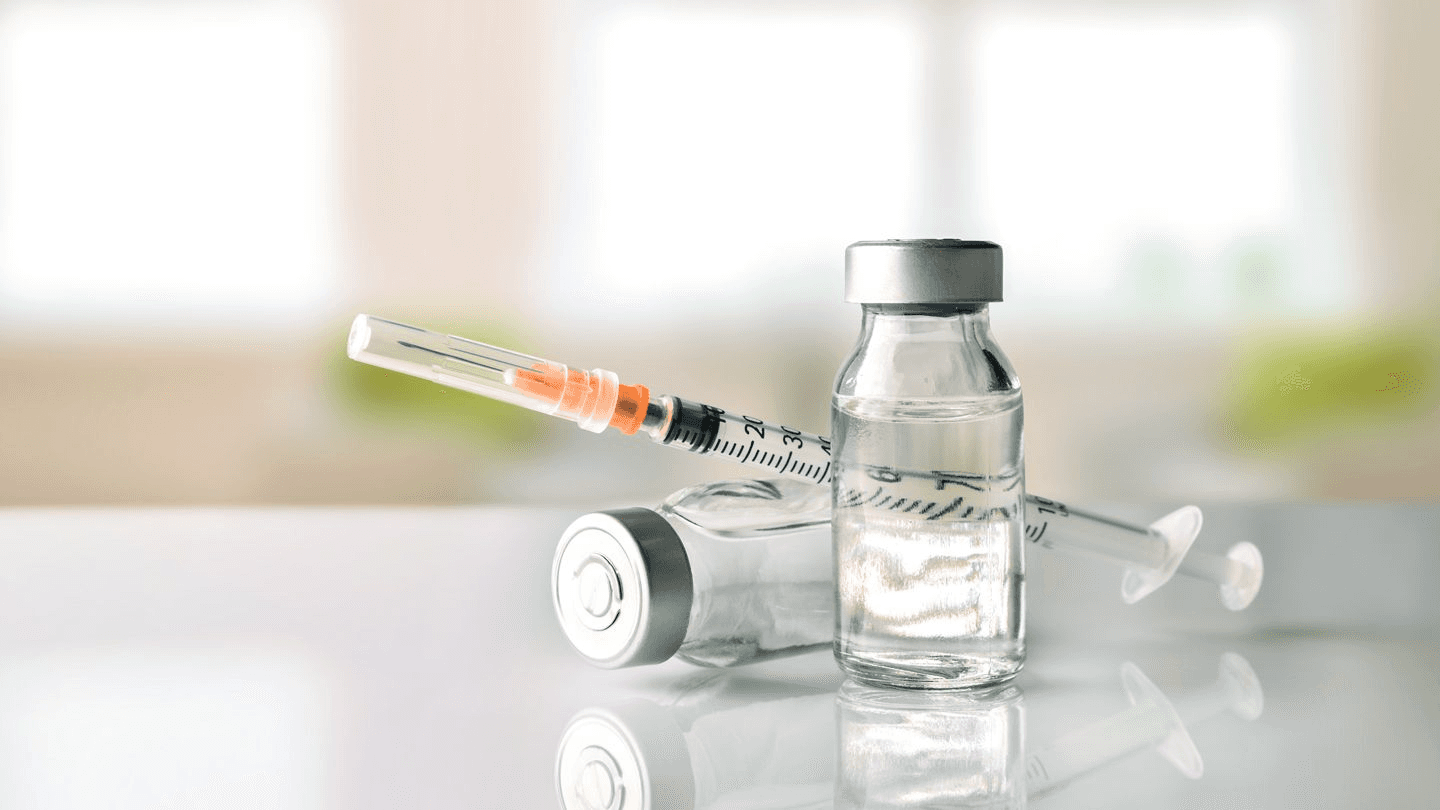
Compounding pharmacies make customized medications onsite to meet specific patient needs that commercial manufacturers do not address. As Dr. Robert Shmerling, Senior Faculty Editor at Harvard Health Publishing, explains, any pharmacy that provides medications that are not commercially available and prepares them onsite to meet your specific needs is a compounding pharmacy. These places represent a small but necessary part of healthcare, making up about 3% of all pharmaceutical prescriptions across roughly 7,500 specialized pharmacies nationwide.
The difference between these pharmacies and commercial drug manufacturers is more important than many people think. Commercial manufacturers produce FDA-approved medications that undergo years of clinical trials, rigorous safety testing, and consistent quality controls under Good Manufacturing Practices. On the other hand, compounding pharmacies work under a different system. Although they are required to use FDA-approved ingredients, their final products are not subject to FDA review for purity, safety, or effectiveness. This gap creates uncertainty, especially when administering a substance directly into the bloodstream.
There are valid reasons for compounding beyond just convenience or cost. Some patients require dosage strengths not available in commercial formulations. For example, a child might need a lower dose than the standard, or an adult might need a strength between two standard options. Others cannot swallow pills and need liquid forms of medication.
People with allergies to substances such as lactose or gluten, which may be present in commercial tablets, require those allergens to be removed. Parents often seek flavored medications to help their children take their medicine regularly, as pediatric compliance often depends on taste. If you're considering options, our GLP-1 app can help you find the right treatment. These situations show careful medical problem-solving. The pharmacy is not just creating an alternative; it is filling a gap that would otherwise leave patients without treatment options. Compounded medicines account for about 3% of all pharmaceutical prescriptions, with around 7,500 compounding pharmacies among 56,000 community-based or retail pharmacies in the United States, according to the American Pharmacists Association. For more information, consult the American Pharmacists Association.
How did drug shortages impact compounding pharmacies?
Drug shortages changed compounding from a niche service into a mainstream necessity. When tirzepatide (Zepbound) and semaglutide (Wegovy) were not available at regular pharmacies, patients faced a tough choice: go without effective medication or find another way to get it. Compounding pharmacies filled this gap by obtaining chemical compounds directly from drug manufacturers and preparing the medications themselves.
According to IQVIA, 83% of the compounded GLP-1 market comprises patients seeking anti-obesity medications. This statistic shows serious access barriers. Most people using compounded versions aren’t looking for shortcuts; they are dealing with a healthcare system where insurance companies don’t cover FDA-approved GLP-1 medications for weight loss. This leaves patients unable to afford brand-name drugs that cost over ten thousand dollars each year. The choice isn’t between brand-name and compounded; it’s between compounded medication and no treatment at all.
Cost worries drive this reality. One patient explained it this way: "I certainly can't afford to pay 5-figures a year for me and my wife to access this medication. There's no choice here; it's simply not an option for us at all." When the alternative is watching health decline toward diabetes and early death while waiting for insurance coverage that might not come, compounded options become the only way to move forward. During shortages, these pharmacies provided what healthcare professionals called a "vital stopgap," and patients called a "lifeline."
What risks are associated with compounded medications?
Compounding introduces risks that do not exist with commercial medications. Dr. Shmerling stresses a troubling reality: there's a chance that you may not be getting the drug that you think you are. In 2023, the FDA received reports of compounders using semaglutide sodium and semaglutide acetate, salt forms that are not FDA-approved and have no evidence of safety or effectiveness. Patients believed they were receiving the same medication their doctors prescribed, but they were actually getting untested variations. Dosing reliability is compromised when medications are prepared manually. FDA-approved injectable semaglutide is available in prefilled pens to prevent errors. Compounding pharmacies may load pens themselves or expect patients to do it, introducing human error at every step.
The FDA has received reports of healthcare providers calculating incorrect doses. Patients self-administering wrong amounts have experienced serious side effects such as nausea, vomiting, headache, and even acute pancreatitis requiring hospitalization. Dr. Shmerling warns that the compounding pharmacy may not provide patients with adequate instructions. There are reports of patients mistakenly administering 20 times the appropriate dose. This is not a theoretical concern; it reflects a documented pattern of harm stemming from inadequate guidance and complex dosing protocols that patients must navigate independently.
The contamination risk represents the most serious threat. Injectable medications bypass the body's natural barriers and deliver substances directly into the bloodstream, making any impurity immediately dangerous. For instance, the 2012 fungal meningitis outbreak from contaminated compounded spinal injections resulted in almost 800 people getting sick and 64 deaths. Compounding pharmacies may lack the sterile manufacturing environments, proper equipment, or expertise that commercial manufacturers maintain through constant FDA oversight.
How do regulations differ for compounded drugs?
The belief that compounded GLP-1s are either unsafe or a loophole anyone can use makes a complicated regulatory situation seem too simple. Compounding isn't illegal; it helps people in legitimate medical settings under certain conditions. But the rules for compounded drugs are very different from those for getting commercial drugs approved.
FDA-approved medications undergo many years of clinical trials to demonstrate safety, efficacy, and consistency. Manufacturing facilities undergo regular inspections to ensure compliance with Good Manufacturing Practices. On the other hand, compounded drugs undergo less stringent regulatory scrutiny and do not undergo the same preclinical or clinical testing. Although compounded drugs should use FDA-approved ingredients, their final formulations are not subject to FDA review for purity, safety, or effectiveness. This difference is important when making treatment decisions. You're not just picking between two similar options at different prices; you're taking on a different level of risk because the other option is no treatment at all. Dr. Shmerling's advice is clear: it's best to use a compounding pharmacy only when truly necessary, which means when you need a medication that is not available through a regular pharmacy.
How can I find verified compounding pharmacies?
Finding verified compounding pharmacies doesn't have to feel overwhelming. MeAgain's GLP-1 app connects users with verified compounding pharmacies that meet FDA regulations and state licensing requirements. This ensures confidence that treatments come from reliable sources. The app simplifies the search by providing clear information about pharmacy credentials, medication quality standards, and proper prescribing protocols. This helps individuals make informed decisions about their health without second-guessing every step. Knowing where to get medication is only half the equation; understanding compounding standards and regulations is just as important.
Related Reading
Safety Considerations When Using Compounded GLP-1 Medications

Compounded GLP-1 medications have risks that branded versions do not. This is mainly because they skip the clinical trials, manufacturing inspections, and batch testing that FDA-approved drugs undergo before reaching patients. While the active ingredients may be real, the mixing, measuring, storage, and cleanliness standards can vary significantly across facilities. These differences can lead to serious problems, including inconsistent dosing, contamination, and adverse events that may occur after patients have started treatment. For those looking into safe options, consider our GLP-1 app for more information and guidance. Not all compounding pharmacies follow the same regulations. The difference between 503(a) and 503(b) facilities affects how much a pharmacy resembles a pharmaceutical manufacturer, compared with a standard drugstore that fills custom prescriptions.
503(a) Pharmacies are overseen by the state. They create medications for individual patients based on specific prescriptions. Oversight is provided by state pharmacy boards, so standards can vary by location. Some states have strict inspections and cleanliness requirements, while others do not. For example, a 503(a) pharmacy in California might follow very different manufacturing standards than one in Florida, even though both are legally compounding the same medication.
What are the differences between 503(a) and 503(b) pharmacies?
503(b) facilities, known as outsourcing facilities, register with the FDA and submit to federal inspections. They may create larger batches without requiring separate prescriptions for each patient. The FDA inspects these facilities using standards that are more similar to those used by commercial drug manufacturers. In addition, these pharmacies must report adverse events, maintain detailed production records, and demonstrate that their sterile compounding environments meet specific cleanliness standards.
How can patients assess the safety of compounding pharmacies?
The Pharmacy Compounding Accreditation Board (PCAB) offers voluntary accreditation to demonstrate a pharmacy's adherence to best practices for sterile compounding. PCAB-accredited facilities conduct on-site inspections, staff training checks, and quality assurance audits. While this accreditation is not legally required, it is one of the few ways patients can confirm if a compounding pharmacy prioritizes safety. The FDA issued an import alert (66-80) to block active pharmaceutical ingredients with quality issues from entering the United States. This alert focuses on foreign manufacturers producing semaglutide or tirzepatide without adequate controls to ensure purity, potency, and sterility. Although the alert does not stop all imports, it blocks shipments from facilities that have not demonstrated compliance with FDA manufacturing standards through inspections or evaluations.
What happens with non-compliant ingredient suppliers?
This distinction creates a two-tier system for ingredient suppliers. Compliant API manufacturers can still supply U.S. compounding pharmacies, while non-compliant ones are flagged at the border. The issue arises once those ingredients clear customs and reach a compounding pharmacy. Patients have no easy way to verify which tier their medication came from. In fact, the pharmacy might not even be aware if their supplier switched sources mid-order.
Do compounders test active ingredients?
Some compounding pharmacies conduct third-party laboratory testing on incoming active pharmaceutical ingredients (APIs) to verify their identity, purity, and potency before mixing them into patient doses. However, not all pharmacies follow this practice. Since testing isn't legally required for 503(a) pharmacies, each pharmacy's internal quality standards determine whether testing is required.
Why are compounded GLP-1 medications riskier?
Compounded GLP-1 medications carry different risks than FDA-approved medications because they don't undergo the same review process that assesses safety, effectiveness, and quality before being sold. An FDA analysis found that 50% of compounded semaglutide products tested had less than 90% of the labeled amount. This inconsistency means patients may receive different doses even when following the instructions correctly. The important thing is not whether compounded medications can be used in treatment, but rather to understand the protections available and the issues patients must manage on their own.
What are the regulatory oversights for compounding pharmacies?
State pharmacy boards give licenses to compounding pharmacies. The Drug Enforcement Administration makes sure any controlled substances used in compounded formulations are safe. However, having a license does not ensure the same quality as FDA-approved medications. The Pharmacy Compounding Accreditation Board (PCAB) represents the gold standard for compounding facilities. Pharmacies with PCAB accreditation undergo rigorous inspections of their sterile compounding processes, quality control systems, and personnel training. They also comply with US Pharmacopeia (USP) standards, which set specific requirements for ingredient purity, preparation methods, and environmental controls.
What should patients ask before using compounded medications?
When evaluating a compounding pharmacy, patients should ask if the pharmacy uses board-certified sterile compounding pharmacists (BCSCPs). These pharmacists receive special training to make injectable medications in clean environments. This is important: improper compounding techniques can lead to contamination or dosing errors that affect both safety and efficacy. Additionally, third-party laboratory testing provides an additional layer of verification. Pharmacies that send samples to independent labs for testing of strength and cleanliness demonstrate a commitment beyond their own checks.
What are the risks of using non-compliant APIs?
The active pharmaceutical ingredients (APIs) used in compounded GLP-1 medications may be sourced from foreign manufacturers that do not adhere to the same quality controls as those for FDA-approved drugs. The FDA has issued import alert 66-80 to block APIs with potential quality issues from entering the U.S. supply chain. This alert does not stop all foreign-made ingredients; it only affects those from manufacturers that haven't demonstrated compliance with FDA manufacturing standards through inspection or evaluation. Manufacturers' APIs that comply can still be legally imported and used in compounding.
How can patients confirm the quality of their medications?
Patients often face the challenge of not knowing which API source their compounder uses. Some compounders use different salt forms of semaglutide, like semaglutide sodium and semaglutide acetate. These are not the same as the active ingredient found in FDA-approved semaglutide products. The FDA has stated that it lacks sufficient information to determine whether these salt forms have the same chemical and pharmacologic properties as the approved version. As a result, there is no legal basis for their use in compounding. Patients may be taking a medication that has not been fully tested for its efficacy in their bodies. Injectable GLP-1 medications need to be kept cold during shipping and storage. Products that arrive warm or with insufficient ice packs may not be as effective, but there's no reliable way for patients to verify that the medication is still working as intended. The FDA advises against using any injectable GLP-1 drug that arrives without proper refrigeration. However, many patients receive their compounded medications by mail order, with no way to monitor temperature during transit.
What are the common errors associated with dosing?
Dosing errors have led to hospitalizations. Some errors occur when patients measure and self-administer incorrect doses, especially with compounded medications dispensed in vials. These vials require manual measurement rather than pre-filled pens. Errors can also occur when healthcare providers miscalculate doses or prescribe amounts exceeding those allowed by FDA-approved labels. Patients may be instructed to use more product per dose, take more frequent doses, or increase the rate faster than the set titration schedule. These changes from the normal procedures have caused serious problems, including severe nausea, vomiting, diarrhea, abdominal pain, and constipation, which often require medical help.
What adverse events have been reported for compounded semaglutide?
The U.S. Food and Drug Administration (FDA) has received 605 reports of problems related to compounded semaglutide as of July 31, 2025. Federal law does not require state-licensed pharmacies to report these problems to the FDA unless they are also registered as outsourcing facilities. As a result, these numbers likely do not reflect the full safety profile. Although many reported problems appear similar to those in FDA-approved versions, the lack of required reporting makes it difficult to determine whether compounded versions carry additional risks.
What are the risks of fraudulent compounded medications?
Fraudulent products represent a distinct category of risk. Some compounded GLP-1 medications contain false information on their labels. In certain cases, the compounding pharmacies named on the labels do not exist. In other cases, legitimate licensed pharmacies are listed on labels for products they did not manufacture. One reported adverse event involved a product labeled as compounded tirzepatide from a pharmacy that did not actually make it. As a result, the patient experienced redness, swelling, pain, and a red lump at the injection site.
Counterfeit Ozempic has also entered the U.S. market. These counterfeit medications may contain the wrong ingredients, harmful substances, incorrect amounts of the active ingredient, or no active ingredient at all. Also, products falsely labeled as "for research purposes" or "not for human consumption" are being sold directly to consumers with dosing instructions. This practice is illegal for human use and raises serious concerns about quality.
How does telehealth affect safety in compounded medications?
Buying compounded medications online through telehealth platforms or internet pharmacies can be harder to verify. Patients may not know whether the compounder meets appropriate quality standards or holds the required state licensure. The FDA's BeSafeRx campaign provides resources to help you safely buy prescription medications online. However, the main problem stays the same: there is no simple way to find out how safe and effective compounded drugs are before using them.
When are compounded medications a viable option?
Compounded GLP-1 medications are important when a patient's medical needs cannot be met by FDA-approved drugs or when those drugs are unavailable. Shortages of brand-name medications have prompted many patients to seek compounded options. Healthcare providers may determine that compounding is the only viable treatment option for certain patients in specific situations.
How should patients evaluate the risks of compounded medications?
The decision to use a compounded medication should involve weighing known risks against the consequences of going untreated. This evaluation varies for each individual, considering their health status, treatment history, and available options. It is not a choice between perfect safety and reckless risk; rather, it involves assessing different risk profiles based on incomplete information.
How can monitoring tools assist patients?
Platforms like MeAgain help patients track their responses to GLP-1 medications, whether they are using FDA-approved or compounded versions. By monitoring injection timing, side effects, protein intake, hydration, and progress patterns, patients create a personal safety record that can help identify issues early. When dosing consistency is important, but verification is limited, detailed tracking becomes the primary tool for detecting changes in how well the medication works or how well it is tolerated.
What questions should patients ask their healthcare providers?
Before starting a compounded GLP-1 medication, ask your healthcare provider why a compounded version is suitable for your situation. Understand whether FDA-approved alternatives exist and why they may not be right for you. Ask your provider about the specific dose and titration schedule they are prescribing, and how it compares to FDA-approved labeling.
What steps should patients take to verify a pharmacy's credentials?
When evaluating a compounding pharmacy, start by verifying its licensing. Patients should ask, "Are you licensed to dispense or ship to my state?" It is important to check that the pharmacy has up-to-date licenses for the specific area. Also, ask about pharmacist qualifications by inquiring, "What training do your pharmacists have?" Look for board-certified sterile compounding pharmacists with specialized expertise in injectable preparations.
How can quality verification improve patient safety?
Quality verification is critical to safety. It’s necessary to ask, “Does a third-party lab test your compounded medications?” Independent testing provides assurance that exceeds what the pharmacy's internal quality control can offer. You should also ask about other accreditations: “What other accreditation does your pharmacy have?” For example, having PCAB accreditation shows that the facility has met strict standards for compounding operations. Questions about the sources of active ingredients are essential: “Where do you obtain your APIs, and how do you verify their quality?” You should also think about storage and shipping methods: “How do you keep things cold during shipping, and what should I do if my medication arrives warm?” Understanding how to take your medicine is also important: “Can you walk me through exactly how to measure and give my dose?” If patients measure their own doses, they should request written instructions with pictures.
What should patients do if they notice issues with their medication?
If patients notice anything unusual about their medication's appearance, labeling, or effects, they should contact both the pharmacy and their healthcare provider right away. It's important to check labels carefully for spelling errors, wrong addresses, or other warning signs. If the pharmacy name on the label appears incorrect, contact the pharmacy directly to confirm that they produced the product. Knowing which questions to ask is critical because it helps patients understand what to expect when treatment begins.
Related Reading
Can You Take Semaglutide Every Other Week For Weight Loss
How Old Do You Have To Be To Take Ozempic
Support Your Health While Using a GLP-1 Medication
The medication is only one factor affecting your results. Whether you use a commercial prescription or work with a compounding pharmacy, supporting your body during rapid weight loss matters for how you feel, how much muscle you retain, and whether the changes last beyond the first weight loss. Many people only focus on filling the prescription and tracking doses. Later, they might wonder why they feel tired, lose muscle, or have digestive problems that make eating feel difficult.
Your body undergoes significant changes when you eat less than usual. Protein intake is critical because GLP-1 medications reduce appetite; many people do not realize they are cutting their protein intake by half. Muscle loss accelerates when protein intake falls below 0.8 grams per kilogram of body weight per day, and the effects worsen over weeks. You might be happy to see the scale number go down, but you may not realize that a significant portion of that loss comes from lean tissue, which is important to maintain.
Fiber is just as important. GLP-1 medications slow down how fast food leaves your stomach, meaning food moves through your digestive system more slowly than before. Without enough fiber, constipation can become a daily struggle rather than a rare nuisance. Staying hydrated makes this problem worse. When you eat less, you're also getting less water from food; dehydration makes every side effect worse: nausea intensifies, you feel your energy drop, and your body holds onto waste longer than it should.
Turning daily habits into sustainable routines
The gap between knowing what to do and actually doing it consistently is where most treatment plans fall apart. People understand that protein is important, but manually tracking it can be challenging. This process typically involves opening a nutrition app, searching for each food item, logging portion sizes, and checking totals throughout the day. By the third week, this can feel too tiring, leading to stopping tracking. This same problem can occur with hydration, fiber, and physical activity. Good intentions meet daily reality, and reality often wins.
Platforms like MeAgain help bridge that gap by turning important habits into routines people can sustain. Instead of using many apps and spreadsheets, users can log their protein, fiber, and water intake all in one place. They can track their injection schedule to avoid missing doses and monitor side effects as they occur. The app makes tracking fun rather than hard, featuring a capybara guide that adds enjoyment to the process. Users aren’t just managing medication; they are creating a daily plan that helps their muscles, energy, and long-term results.
Capturing progress you'll otherwise forget
Rapid change creates a strange problem: people often forget how they looked, felt, or struggled just months ago. The brain adjusts to a new normal so quickly that the magnitude of the change is hard to see unless it's documented. While photos can help, they don't show changes in energy, the relationship with food, or the moment someone realizes they can walk up stairs without getting tired. MeAgain includes a Journey Card feature that lets users write down milestones beyond just weight on the scale. This feature captures important changes that matter as much as the numbers, like the day someone stops thinking about food all the time, the week joint pain goes away, or the moment they feel like their true self again. These records help people during times when motivation is low or when they need to remember why they started.
This change is more than just physical; it’s about getting back control, confidence, and clarity. Writing down that process makes it real in a way that memory alone cannot. If you're already using a GLP-1 and want a helpful, habit-focused way to take care of yourself, download MeAgain and make your weight loss journey something you can actually enjoy sticking to.
Related Reading
Tirzepatide Compound Cost
503a Pharmacy Tirzepatide
Best Place To Get Wegovy Online
Best Place To Get Mounjaro
Cost Of Oral Wegovy
Best Place To Buy Tirzepatide Online
Microdosing Glp 1
Best Place To Get Semaglutide
Top Semaglutide Providers