
results
Does Mounjaro Actually Show Up in Blood Work?

Ana Reisdorf, MS, RD - GLP-1 expert
Feb 13, 2026
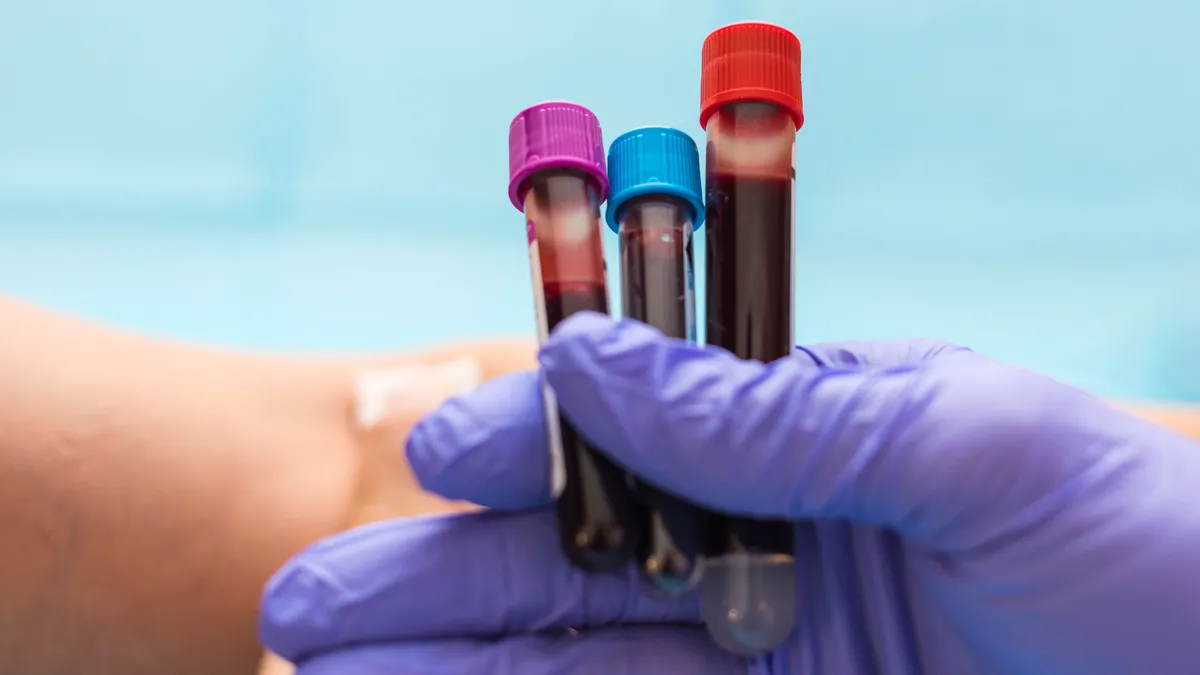
Individuals using Mounjaro for weight management or type 2 diabetes often ask whether it appears during routine blood work. Does Mounjaro appear on blood work? Understanding how the medication interacts with lab tests helps accurately track treatment and prepare for discussions with healthcare providers.
Effective treatment management goes beyond analyzing test results and includes understanding the overall benefits of GLP-1 therapies. Organizing medication schedules and monitoring progress can yield clearer insights at follow-up appointments. MeAgain enhances treatment tracking with its GLP-1 app, which offers tools to log doses, track progress, and consolidate health information.
Summary
Mounjaro does not appear on routine blood tests because standard lab panels measure metabolic responses, such as glucose levels and cholesterol changes, rather than the drug molecule itself. Healthcare providers track the effects of tirzepatide through markers such as hemoglobin A1c, lipid profiles, and kidney function tests, but commercial laboratories cannot detect the medication circulating in your bloodstream. Specialized mass spectrometry-based research assays can detect tirzepatide in clinical trials, but these tests are not available through the labs your doctor orders for routine monitoring.
Tirzepatide has a half-life of approximately 5 days, requiring roughly 25 days after your last injection for the drug to largely clear from your system. Complete elimination takes about five half-lives, though metabolic effects like improved blood glucose control and sustained weight loss often persist beyond the drug's presence. The FDA confirms that no dose adjustment is necessary for patients with kidney or liver impairment because these conditions don't meaningfully affect how your body processes tirzepatide, unlike many medications that require careful dose adjustments based on organ function.
Lab monitoring creates a safety net by establishing baseline measurements before treatment and tracking how your body responds as the medication takes effect. Blood glucose measurements provide immediate feedback on blood sugar control, while hemoglobin A1c reflects average blood sugar over three months and typically drops by 1.5 to 2 percentage points during the first six months of treatment. Follow-up labs typically occur at three-month intervals during dose titration, when your body adapts to increasing medication levels, and then every six months once you reach a stable maintenance dose.
Gastrointestinal symptoms directly affect the metabolic markers your blood work measures, making symptom documentation essential for accurate interpretation of results. Persistent nausea that reduces fluid intake for several days concentrates your blood and artificially elevates creatinine, making kidney function appear worse than it actually is. According to a TrimRX Blog report, 12 to 14 hours of fasting are required before blood work to ensure accurate baseline measurements, and adequate hydration makes veins easier to access while preventing dehydration-related lab distortions.
Adoption of GLP-1 medications has reached a significant scale, with 1.6 million adults in England, Wales, and Scotland using drugs like Mounjaro between early 2024 and early 2025, according to UCL News. This widespread use makes systematic monitoring essential to identify patterns that may not surface in smaller patient populations, as individual lab results contribute to a broader understanding of how real-world patients respond beyond controlled clinical trials. Follow-up testing typically occurs at 4 weeks after initiation, per the DrOracle.ai Medical Advisory Board, enabling early baseline adjustments before longer-term monitoring begins.
MeAgain's GLP-1 app addresses the documentation gap between appointments by letting you log symptoms as they occur, track hydration and protein intake daily, and automatically record injection timing, so you can show your doctor data that reveals patterns invisible during occasional office visits rather than relying on memory alone.
Does Mounjaro Show Up in Blood Work?
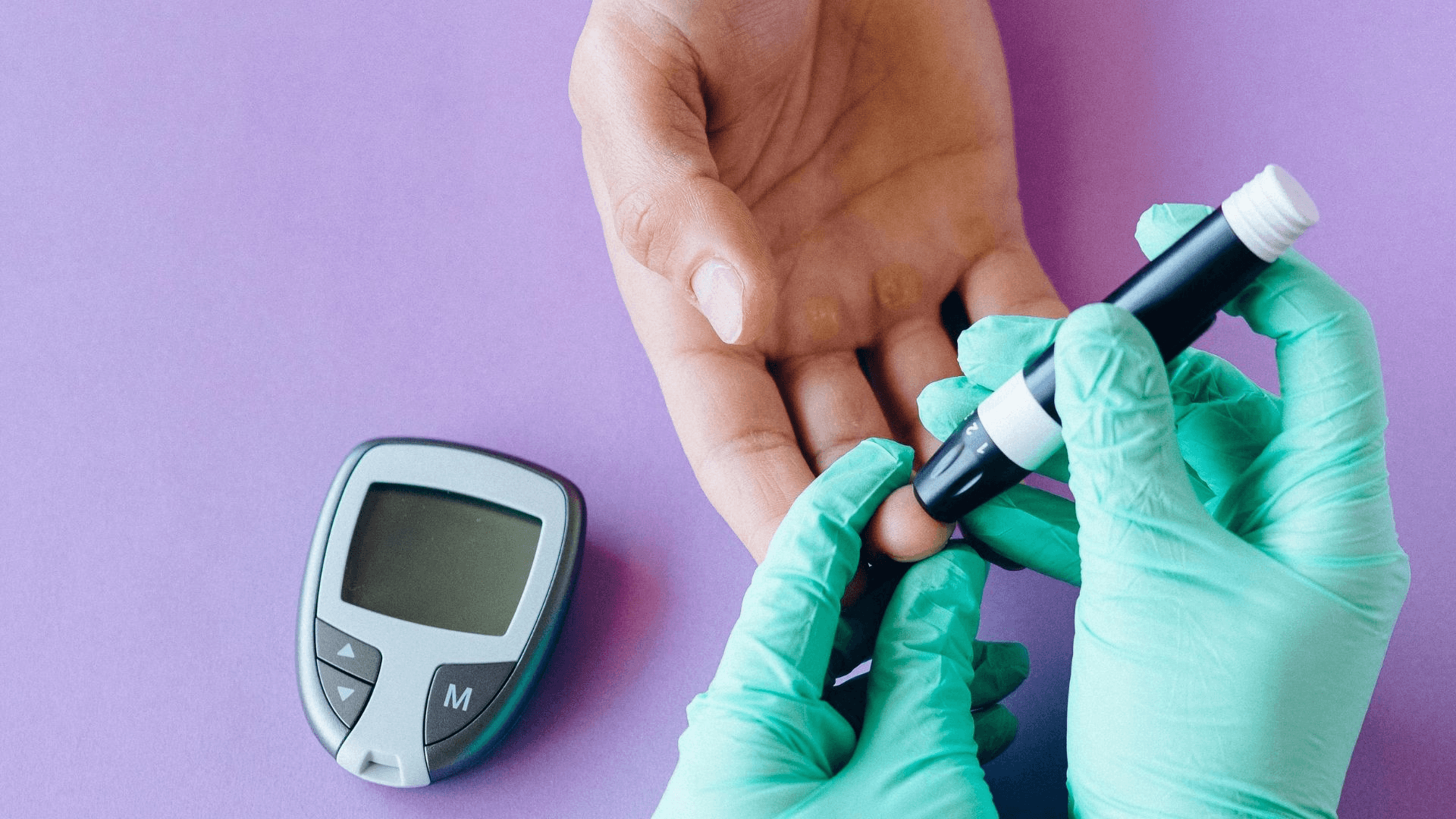
No, Mounjaro (tirzepatide) does not appear on routine blood tests. Standard lab panels, such as complete blood counts, comprehensive metabolic panels, lipid profiles, and hemoglobin A1c tests, assess your body's metabolic responses rather than the drug itself. What your doctor sees from bloodwork is the effects of tirzepatide: better glucose levels, changes in cholesterol, and shifts in liver enzymes, but not the medication in your bloodstream.
This difference is important because it leads to confusion during doctor visits. When people have symptoms or side effects, it's natural to think that their doctor can "see" the medication through standard tests. Many patients go to the ER expecting blood tests to show whether Mounjaro is causing their discomfort, only to find that standard commercial labs don’t measure drug levels.
The tests measure metabolic changes and organ-function markers, which help doctors understand how your body responds to treatment, but they can’t detect the presence of tirzepatide. Additionally, using a comprehensive GLP-1 app can help track your health improvements with these treatments.
How is tirzepatide detected in blood work?
Specialized research tests that use specific antibodies or mass spectrometry techniques can find tirzepatide in blood samples. However, these tests are only available in clinical trial settings and pharmacokinetic research environments.
They are not offered at the labs where your primary care doctor or endocrinologist usually orders tests. Monitoring typically occurs every three months, as described by TFI Biomedical Lab, but this process assesses metabolic health markers rather than drug levels.
What metabolic markers are tracked?
Healthcare providers monitor specific metabolic markers that change as tirzepatide works in the body. These measurements indicate the body's response without directly identifying the medication.
Improved glycemic control is reflected in lower fasting glucose and hemoglobin A1c. Doctors observe these numbers decline over weeks and months, confirming that the medication's glucose-lowering effects are taking effect.
Changes in lipid profiles may show decreased triglycerides and shifts in cholesterol levels, reflecting how tirzepatide affects fat metabolism. Additionally, liver function parameters can improve in patients with fatty liver disease, indicating improved metabolic health.
How does kidney function affect monitoring?
Monitoring kidney function is essential, especially when someone is dehydrated due to nausea or reduced water intake. Doctors check serum creatinine and estimated glomerular filtration rate to ensure the kidneys can handle changes in the body's metabolism without stress. Mild increases in pancreatic enzymes such as lipase and amylase can occur without causing clinical pancreatitis.
This may be concerning when lab results show higher values, but these enzyme changes require a clinical context. This context includes your symptoms, imaging results, and overall health. Such changes should not automatically cause worry.
Why do elevated numbers cause anxiety?
Anxiety intensifies when people do not understand what high numbers mean. For example, seeing lipase levels at 195 or 184 can cause concern, even though mild elevations may occur with GLP-1 medications.
Similarly, C-reactive protein levels between 2.9 and 5 may appear elevated until one realizes these values are low compared with the 80-100 typically seen with acute pancreatitis or gallstones. Standard blood tests assess inflammatory responses and organ function, rather than detecting the presence of tirzepatide molecules.
Does tirzepatide interfere with blood work?
Tirzepatide does not interfere with regular lab tests and is not included in drug screening tests that check for drugs of abuse and controlled medications. Your normal blood tests are reliable for checking everything they're meant to measure, just not the medication itself.
When managing various health factors throughout the GLP-1 journey, tools like MeAgain's GLP-1 app help you keep track of the full picture beyond what blood tests show. The app lets you record injection times, watch for side effects, track protein and water intake, and note symptoms in between lab visits.
This helps create a complete health record that supports you and your provider in understanding test results in the right context.
How long does tirzepatide stay in the body?
Understanding tirzepatide's timeline in the body helps explain why its effects last even after treatment stops. The medication has a half-life of about 5 days, according to Bourne End Pharmacy. This means that half the drug concentration leaves the bloodstream every 120 hours. This longer duration enables convenient once-weekly dosing, making treatment easier to manage.
What is the elimination period for tirzepatide?
Pharmacokinetic principles indicate that complete elimination requires approximately five half-lives. For tirzepatide, this means it takes about 25 days (or three to four weeks) after the last injection for the drug to mostly leave the body. Measurable amounts may stay a bit longer.
The metabolic effects, such as improved blood sugar control, reduced hunger, and sustained weight loss, often persist beyond the time the drug is fully out of the system. This is why symptoms and benefits don’t instantly fade when the injections stop.
How do body factors influence tirzepatide?
Several factors affect how tirzepatide moves through the body. The medication is primarily cleared by proteolytic processes, not by renal excretion, so renal function doesn't significantly affect clearance.
Body weight modestly influences drug exposure, and higher body weight may require dose adjustments. With regular weekly dosing, tirzepatide reaches steady-state concentrations after about four weeks of administration when the amount entering the system equals the amount being eliminated.
FDA prescribing information confirms that no dose adjustment is needed for patients with kidney or liver impairment, including end-stage renal disease.
These conditions don't significantly affect how your body processes tirzepatide, unlike many medications that require careful dose adjustments based on organ function.
What happens if symptoms persist after stopping?
The confusion about when to stop treatment can really cause stress when symptoms keep happening after treatment is stopped. For example, if someone stopped taking Mounjaro on December 4 but felt symptoms on December 22, the medication might still be in the body at lower levels.
On the other hand, those symptoms could be due to metabolic changes that continue even after the drug is gone. Regular blood tests won’t help determine the underlying condition because they don't detect tirzepatide molecules; they only show metabolic effects that might persist on their own.
Why is blood glucose monitoring essential?
When stopping tirzepatide, blood glucose monitoring is especially important because the medication's glucose-lowering effect declines. The American Diabetes Association advises regular monitoring when changing or stopping diabetes medications to prevent hyperglycemia from coming back.
Patients should not stop tirzepatide suddenly without a doctor's guidance, especially when it's part of a complete diabetes management plan. Metabolic protection gradually declines over the 25-day elimination period.
Knowing when the drug leaves your body is just one part of monitoring. What your doctor sees during this time tells us much more about the safety of your treatment.
Related Reading
How Do Doctors Monitor Mounjaro Use?
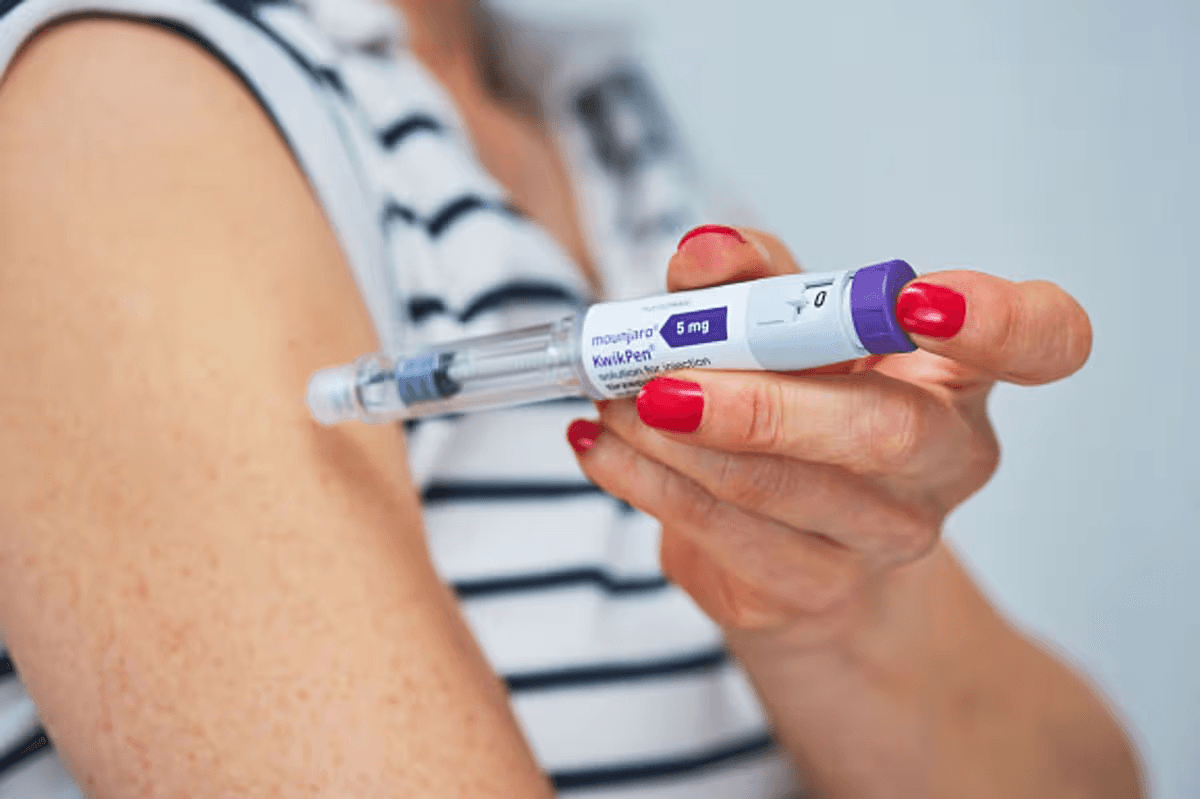
Your doctor orders blood tests not because they suspect anything is wrong, but because monitoring provides a safety net. The tests establish baseline measurements before you start tirzepatide, and then track how your body responds as the medication begins to work. This method is not about finding problems after they develop; it focuses on watching changes in your metabolism as they happen.
This lets adjustments be made before problems arise. To manage your treatment effectively, consider using our GLP-1 app for ongoing support.
The medical reasoning is based on three priorities: confirming that the medication works as intended, protecting organ systems that handle metabolic changes, and catching Side Effects early when they are easiest to manage. Think of lab monitoring as calibration checks.
As tirzepatide affects glucose regulation, fat metabolism, and appetite signaling, your body's chemistry changes. Blood tests assess whether those changes are healthy or indicate a need for a dose adjustment.
What is the role of blood glucose measurements?
Blood glucose measurements provide immediate feedback on how well tirzepatide controls blood sugar between meals. Fasting glucose tests require you to avoid food for eight to twelve hours to get a clear baseline of your metabolism.
These numbers usually drop significantly within weeks of starting treatment, when the medication is effective. If glucose levels remain high despite taking the medication as directed, your doctor will assess whether the current dose is sufficient to control your levels or whether other factors may be interfering with the medication's effectiveness.
How does hemoglobin A1c testing help?
Hemoglobin A1c testing shows a person's average blood sugar over the last two to three months by measuring glucose molecules attached to red blood cells. This test is more important than daily glucose readings because it reflects sustained metabolic control rather than a single snapshot. Your A1c typically drops by 1.5 to 2 percentage points during the first six months of tirzepatide treatment. Smaller reductions may prompt discussions about increasing the dose or trying other treatments.
What kind of tests monitor kidney function?
Kidney function tests check creatinine levels and calculate the estimated glomerular filtration rate (eGFR). This shows how well the kidneys filter waste. Although tirzepatide doesn't harm the kidneys directly, dehydration from nausea or drinking less can put stress on kidney function. Doctors look for increases in creatinine or decreases in eGFR, both of which indicate that the kidneys are working too hard. Noticing these changes early allows for easy fixes, such as drinking more fluids, which can often prevent bigger problems from happening. If you're managing your health with a GLP-1 app, consider tracking your hydration and kidney function as part of your routine.
What do liver function panels indicate?
Liver function panels measure enzymes such as ALT and AST. These enzymes leak into the bloodstream when liver cells are under stress. Patients with fatty liver disease often see improvements in these numbers as weight loss reduces liver fat. On the other hand, if these enzymes are elevated without explanation, it is important to investigate and ensure that medication isn’t causing unexpected liver stress; this rarely occurs with tirzepatide.
How do lipid panels help assess cardiovascular risk?
Lipid panels track total cholesterol, LDL, HDL, and triglycerides.
Weight loss often improves these numbers, especially for triglycerides, which typically decrease the most.
Doctors use these results to assess your cardiovascular risk and determine whether additional lipid management measures should be added to your GLP-1 app treatment.
Why is baseline testing important?
Baseline testing happens before your first injection. It helps establish reference points that make subsequent changes meaningful.
If your doctor doesn't know your baseline glucose, A1c, kidney function, and lipid levels, they can't assess improvement or identify concerning trends. These initial results also help identify pre-existing conditions that may affect treatment decisions or require additional monitoring.
How often are follow-up labs scheduled?
Follow-up labs are typically performed at three-month intervals to adjust the medication dose. This time is important because the body is getting used to higher medication levels. This schedule helps find issues during the time of greatest metabolic change.
Once a stable maintenance dose is reached and lab values normalize, testing is typically performed every six months. However, patients with kidney disease, liver conditions, or diabetes complications may need to be monitored more often, even if their dose is stable. For those using a GLP-1 app, the tracking features can be immensely beneficial during these transitions.
When is additional testing necessary?
Unexpected symptoms often trigger more tests outside the normal schedule. For example, ongoing nausea that leads to serious dehydration, unexplained stomach pain, or sudden changes in how often you urinate all need lab work to check for complications. Your symptoms provide context, turning numbers on a lab report into helpful clinical information.
What is the status quo challenge?
The status quo challenge arises when someone feels healthy, but their doctor still wants them to get additional lab tests.
These tests can seem unnecessary and invasive, especially when a person is losing weight successfully and their symptoms have gone away. This raises questions about whether the blood draws and fasting requirements serve any real purpose or simply reflect medical overcaution.
How can metabolic changes occur without symptoms?
Metabolic changes often occur before symptoms appear. For example, kidney function can get significantly worse before any physical signs are noticeable.
Likewise, lipase levels can increase weeks before someone starts feeling abdominal pain. Glucose control may gradually worsen in ways we may not notice every day. Regular lab testing can detect these changes when they're easiest to treat, before more serious problems develop and symptoms become clear.
How can tracking help connect lab results to your experience?
When managing the full scope of a GLP-1 journey, connecting lab results to daily experiences helps make the numbers feel less abstract. MeAgain's GLP-1 app allows users to log symptoms, track hydration and protein intake, and document injection timing, all alongside lab results.
This comprehensive approach provides a clearer picture of health, showing how daily habits influence the metabolic markers doctors monitor. It turns disconnected data points into a clear story of treatment progress.
What do lab results reveal about treatment effectiveness?
Lab results confirm safety and indicate whether the medication provides the metabolic benefits you're seeking. For example, lowering A1C levels indicates improved glucose control, while lowering triglycerides indicates improved fat metabolism. Also, stable kidney function means your body metabolizes the medication without harming your organs. These measurements together confirm that tirzepatide works for you, not just in clinical trials with thousands of participants.
How do lab results guide dose adjustments?
Lab results play an important role in guiding dose adjustments. If glucose levels improve but still don’t reach target levels, your doctor might consider increasing your dose during the next titration step. On the other hand, if kidney markers worsen, it may be safer to keep your current dose and focus on improving hydration. This process changes treatment from guesswork into precision, matching medication strength to your body’s actual response.
How does monitoring protect against complications?
Monitoring also helps protect against rare complications. While the risk of pancreatitis is low with tirzepatide, high lipase levels, especially when there are abdominal symptoms, need immediate attention. Acute kidney injury from severe dehydration can be found through creatinine tests, often before any lasting damage happens.
These safety checks are critical for the small number of patients who may experience complications. Everyone gains from the careful watch that finds problems early.
How should you prepare for blood tests?
But understanding what doctors monitor only helps if you know how to get ready for those tests properly.
Related Reading
Can You Take Semaglutide Every Other Week For Weight Loss
How Old Do You Have To Be To Take Ozempic
Tips for Patients Taking Mounjaro Before Blood Work
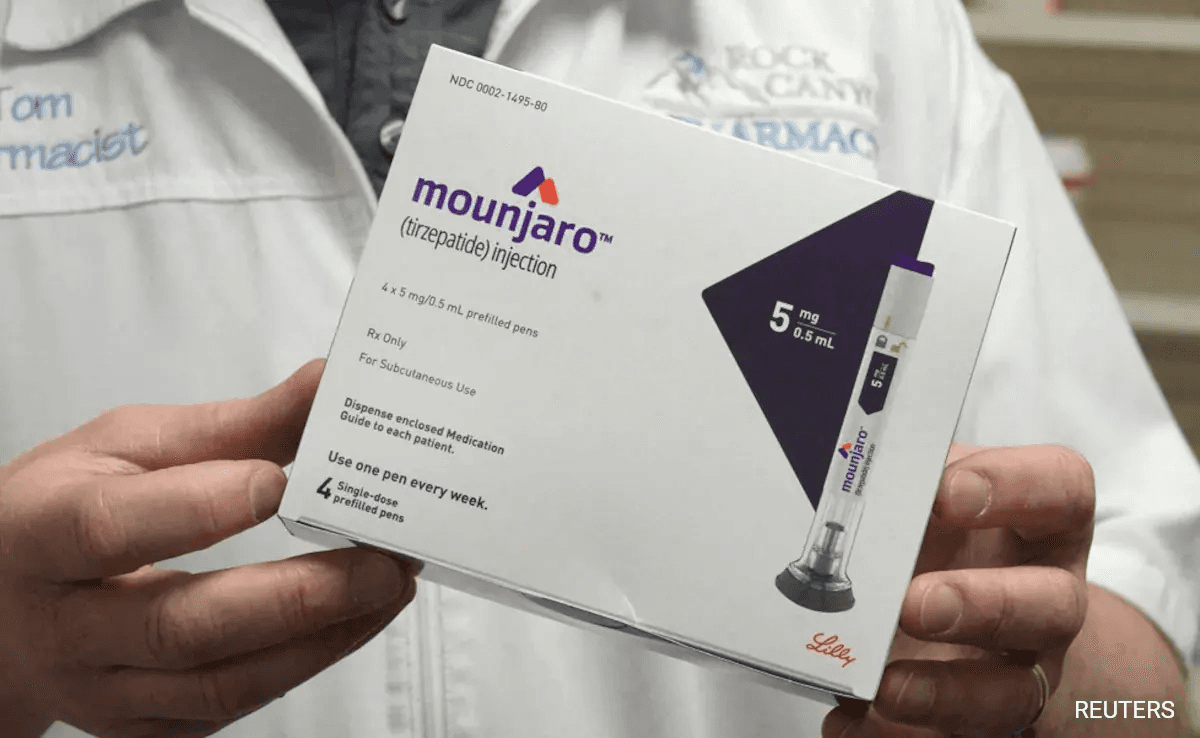
Preparing for blood work while taking tirzepatide means you need to give your doctor all the details to understand the results correctly. Your labs assess metabolic changes rather than the medication itself, so clinicians rely on the information you provide about dosing, timing, side effects, and lifestyle factors.
This information is important to understand what the numbers mean. Without it, elevated lipase could look concerning when it’s actually a harmless reaction to the medication. Likewise, if creatinine levels are high, it might seem like kidney damage when dehydration from nausea is really the issue.
The problem comes up when you think your doctor knows all the important details about your treatment. You took your injection as scheduled and are taking the correct dose, so you might believe that’s sufficient information. However, interpreting results needs specific details.
When did you take your last dose before the blood draw? Have you changed your dose recently? Are you experiencing side effects that could affect hydration or nutrient absorption? These details transform lab values from numbers into meaningful information that guides treatment decisions rather than causing unnecessary worry.
What specific information should I provide about my medication?
Start with medication specifics that lay the groundwork for understanding your results. Say whether you're taking Mounjaro or Zepbound, along with your current weekly dose (2.5mg, 5mg, 7.5mg, 10mg, 12.5mg, or 15mg), and note how long you've been at this dose level.
Additionally, mention when you began treatment overall and any recent changes to your dose. This information is critical because metabolic changes occur more rapidly during dose adjustments.
Your doctor needs to know whether you've been on treatment for four weeks or eight months; improvements in glucose levels and side effects typically follow predictable timelines that can affect how they interpret concerning results.
How does injection timing affect my blood work results?
It's important to keep track of when you inject your medication compared to when you have your blood drawn. If you injected yesterday and had your labs drawn today, tirzepatide concentrations will be near peak, even though standard tests may not show them.
On the other hand, if your last injection was six days ago and you need your next dose tomorrow, then you'll be at the medication's lowest effective concentration. Understanding this timing can help explain why your glucose readings may change between appointments or why symptoms may worsen just before your next scheduled dose, as noted in the GLP-1 app.
What other medications should I disclose?
List every other medication you're taking, including over-the-counter drugs and supplements.
Drug interactions rarely affect tirzepatide directly; however, they can change how your body reacts metabolically.
For example, if you take blood pressure medications along with weight loss drugs, it may cause your blood pressure to drop lower than you expect.
Metformin affects how your body handles glucose when combined with tirzepatide, resulting in different outcomes compared with tirzepatide alone. Also, if you regularly take NSAIDs for joint pain, it might increase kidney markers, regardless of any medication effects. Providing your complete list of medications is important because it helps your doctor understand that changes in your health may not be solely due to tirzepatide, given the multiple factors involved.
Why is contraception status important for women of childbearing potential?
Women who can become pregnant should talk about their birth control methods clearly. Tirzepatide may reduce oral contraceptive effectiveness. Also, the TrimRX Blog states that you should fast for 12 to 14 hours before blood tests to obtain accurate baseline results.
Moreover, backup birth control is needed for four weeks after starting treatment and after every dose increase. This information is very important because pregnancy issues affect which tests your doctor orders and how they look at hormone-related results.
How do gastrointestinal symptoms impact blood work?
Gastrointestinal symptoms directly affect the metabolic markers measured by blood tests. For example, if someone has ongoing nausea, it can lead to less fluid intake for several days. This makes the blood more concentrated. As a result, creatinine levels may appear higher, making kidney function appear worse than it is.
Severe diarrhea can cause electrolyte depletion, which shows up as unusual sodium, potassium, or chloride levels in tests. These issues are not caused by medication toxicity; they happen because of fluid loss instead. Your doctor cannot distinguish between actual kidney injury and lab results changes caused by dehydration unless you inform them of your fluid intake and whether you have been able to keep food down.
What should I document about appetite changes?
Document appetite changes and how long they last. A prolonged loss of appetite can reduce protein intake, which in turn affects albumin levels and other nutritional markers.
For example, if you've been eating half your usual portions for two weeks, this explains why some values have changed since your last lab tests. Your doctor might suggest protein supplementation or dietary changes rather than attributing the changes to medication side effects that would require a dose reduction.
How should I track abdominal pain?
Monitor any abdominal pain closely to help distinguish common GI upset from serious issues. Pay attention to where the pain is located, like in the upper abdomen, lower right side, or all over, as well as how intense it is on a scale from one to ten, how long it lasts, and if it gets worse after eating.
Mild, short-lasting discomfort that goes away quickly is very different from severe, ongoing pain that spreads to the back. The first usually means you need to adjust your normal medication, while the second raises concerns for pancreatitis, which needs immediate evaluation beyond regular lab tests.
How can I improve symptom tracking between appointments?
Many patients find it hard to remember how their symptoms change between doctor visits, especially when side effects can vary from week to week. A common pattern appears in GLP-1 communities: people often feel nauseous the day after their injection.
This nausea usually resolves by day three, but can recur around day six. Without keeping track of these symptoms, someone might tell their doctor, "I have some nausea," while the real pattern is, "severe nausea for 48 hours after the injection, then mild symptoms until the next dose."
This distinction matters when making dosage decisions. Solutions like MeAgain's GLP-1 app help fill this gap by allowing users to log symptoms as they occur, monitor their hydration and protein intake daily, and automatically record injection times. When lab day comes, you won’t have to depend on memory; you can show your doctor the data that shows patterns that are hard to see during regular office visits.
When should follow-up testing occur?
According to the DrOracle.ai Medical Advisory Board, follow-up testing typically occurs four weeks after treatment initiation. This timing helps to make early adjustments before longer-term monitoring begins. Patients should fast for the duration their doctor specifies, typically eight to twelve hours before the appointment.
Fasting ensures that glucose and lipid measurements reflect the true metabolic state rather than recent dietary intake. Drinking water during this time is allowed and even helpful. Adequate hydration makes veins easier to access, reduces pain during blood draws, and prevents dehydration from distorting lab results.
What should I bring to my appointment?
Bring a current medication list, either written down or saved on your phone. Saying the names out loud often leads to forgetting some drugs or mixing up doses. A written list makes sure everything is accurate and saves time during your appointment. Include specific brand names: Mounjaro versus Zepbound can change insurance and medical records, as well as the doses, frequencies, and start dates for each medication.
What new symptoms should I discuss with my doctor?
Arrive prepared to discuss any new symptoms since your last visit, even if they seem unrelated to tirzepatide. Right upper quadrant pain might mean there are gallbladder issues, which happen more often during rapid weight loss. Unusual neck swelling or trouble swallowing needs a thyroid check. You also need to investigate persistent headaches or changes in vision.
Your doctor connects these symptoms to lab findings in ways that might not seem obvious to you. Therefore, telling everything protects your safety more effectively than only reporting what you think is important.
When should I seek immediate medical attention?
Certain symptoms require immediate medical care and lab tests, regardless of your next regular appointment. For example, severe and persistent abdominal pain that doesn't go away within a few hours is a sign of possible pancreatitis. This condition requires prompt assessment of lipase and amylase levels, along with imaging studies. Patients should not wait for planned lab tests if the pain is strong enough to disrupt daily activities or gets worse over time.
What does right upper quadrant pain indicate?
Pain in the right upper part of your stomach, accompanied by fever or jaundice (when your skin or eyes turn yellow), may indicate gallbladder inflammation or a bile duct blockage. These problems should be evaluated immediately with liver function tests and an abdominal ultrasound. Gallstones can form faster when you lose weight quickly, so this is something that needs attention and shouldn’t be put off for routine check-ups.
When is dehydration a serious concern?
Severe and ongoing vomiting or diarrhea can prevent you from maintaining adequate fluid intake for more than 24 hours. This can lead to dehydration severe enough to affect how your kidneys function. If you notice you are urinating less often, your urine looks dark and concentrated, or you feel dizzy when you stand, it is very important to get lab work done.
This will check your electrolyte balance and kidney markers before dehydration causes long-term harm. This situation requires action, not just waiting until your next scheduled appointment.
What allergic symptoms require immediate action?
Signs of an allergic reaction include widespread rash, facial swelling, difficulty breathing, or throat tightness. These symptoms are medical emergencies. They need immediate attention in an emergency department, not just scheduled lab work.
Also, if someone notices an unusual neck mass, persistent hoarseness, difficulty swallowing, or unexplained shortness of breath, they should contact their doctor immediately for a thyroid evaluation. Although medullary thyroid carcinoma is very rare, these symptoms should be evaluated without delay.
Should I stop my medication before lab work?
Never stop taking tirzepatide before lab work unless your doctor specifically tells you to stop. Some patients wrongly think they should skip their injection the week before testing to get "clean" results, but this actually causes the opposite issue.
Stopping the medication makes glucose levels rise quickly in patients with diabetes, which can lead to hyperglycemia. This change in metabolic readings is worse than it would have been if treatment had continued. Your doctor needs to see how your body works with the medication, not without it, because that shows your true managed health state.
What side effects should I report?
Don't assume that normal side effects mean there is a problem that lab tests will detect. Mild nausea, decreased appetite, and occasional constipation are expected responses to GLP-1 medications. These symptoms do not indicate organ damage or metabolic issues requiring emergency testing; rather, they indicate that the medication is working as intended to slow gastric emptying and reduce appetite. While it's important to report these side effects at routine appointments, there is no need to demand urgent lab work unless the symptoms become severe or last longer than what your doctor said is typical.
Should I change my diet before labs?
Avoid making dramatic dietary changes the week before labs to improve your results. Eating unusually clean or cutting calories more than usual can lead to inaccurate measurements. These unusual results do not show your real lifestyle or how well the medication works in real-world conditions. Your doctor needs accurate information about your regular metabolic state, not a best-case scenario achieved through unsustainable short-term behavior changes.
Why is communication with my healthcare provider important?
Open dialogue with your healthcare provider matters more than any single lab value. When you're unsure if a symptom needs attention, don't hesitate to ask. If lab results confuse or worry you, ask for explanations in words you understand. If you're having side effects but are afraid of seeming difficult, speak up anyway. The patients who have the best results aren't those who never face problems. They're the ones who communicate clearly when issues arise, giving their doctors the information needed to distinguish normal medication changes from situations that require action.
How do daily details impact treatment decisions?
Your blood work provides insight into your health, particularly through metabolic markers and organ function measurements. However, the complete picture becomes clear when you consider your daily details: how you feel, what you’re eating, which symptoms come and go, and how well you’re sleeping. This comprehensive understanding helps guide treatment decisions more effectively than numbers alone.
How can I keep track of all my health details?
Tracking all health details between appointments requires a system that fits seamlessly into your daily routine. Using a convenient GLP-1 app can help streamline this process.
Related Reading
Microdosing Glp 1
Best Place To Get Semaglutide
Best Place To Buy Tirzepatide Online
503a Pharmacy Tirzepatide
Top Semaglutide Providers
Cost Of Oral Wegovy
Best Place To Get Wegovy Online
Best Place To Get Mounjaro
Tirzepatide Compound Cost
Track Your Mounjaro Journey with MeAgain
Starting Mounjaro is a big step for your health. It's important to know how it affects your blood work, but that's only one part of the whole picture. The real change happens when people stick to their medication schedule, eat healthy, stay hydrated, and stay active.
It's also crucial to document any side effects and symptoms that blood tests may miss. Your lab tests show metabolic changes, but your everyday choices decide if those changes help you reach your goals.
MeAgain makes it easy and fun to track all these related factors. The cute capybara coach helps users reach their protein, fiber, water, and activity goals while also logging injection doses and noting any side effects as they occur. Your Journey Card celebrates your achievements and shows your progress over time.
This creates a comprehensive health record that helps you and your provider better understand lab results. When your doctor asks how you've been feeling between appointments, you won’t have to rely on your memory; instead, you can show them data that highlights patterns that usually go unnoticed during rare office visits. This way, every lab visit shares the entire story of your treatment progress.
Download MeAgain today and make your weight loss journey feel like a fun game. Stay on track, confident, and informed every step of the way.