
lifestyle
Can I Ask My Doctor for Weight Loss Medication?

Ana Reisdorf, MS, RD - GLP-1 expert
Feb 13, 2026

Efforts to improve health can plateau, leaving individuals wondering whether to ask their doctor for weight-loss medication. Many people are curious whether prescription options might offer the boost they need when traditional dieting and exercise seem insufficient. Personal health journeys often require deeper conversations with providers about available treatments and how these fit individual circumstances.
Clear guidance on managing weight involves understanding medication options, proper tracking, and maintaining consistent progress. Reliable tools help users navigate these choices and prepare for informed discussions with healthcare professionals. MeAgain supports this process with its GLP-1 app, which offers robust tracking and motivational insights for anyone pursuing better health.
Summary
Obesity affects more than 2 in 5 adults in the United States and significantly increases risk for diabetes, heart disease, and stroke, yet many people hesitate to ask their doctors about weight loss medication due to internalized beliefs that weight struggles reflect personal failure rather than a medical condition requiring treatment. This stigma keeps patients silent even when they meet clear medical criteria for prescription intervention.
Prescription weight-loss medications can help people achieve and maintain a 5% to 10% weight loss when combined with lifestyle changes, according to the Mayo Clinic. That percentage translates into measurable health improvements, including lower blood pressure, improved blood sugar control, and reduced triglyceride levels. Research published in the New England Journal of Medicine found that approximately 70% of participants taking semaglutide for 68 weeks achieved at least 10% weight loss, with about 50% achieving at least 15% and one-third losing at least 20% of their baseline weight.
Insurance coverage creates a significant barrier even after doctors write prescriptions. Medicare has historically excluded anti-obesity medications, and without insurance coverage, newer injectable medications cost $349 to $499 per month. Some patients who finally found the courage to request help receive prescriptions only to discover they cannot afford treatment, though manufacturer savings programs, discount cards, and provider payment plans sometimes reduce out-of-pocket costs enough to make access possible.
The physiological mechanisms underlying weight regulation work against intentional weight-loss efforts in ways that willpower cannot overcome. Dr. Fatima Cody Stanford, an obesity medicine physician at Mass General Hospital and an associate professor at Harvard Medical School, explains that obesity is a brain disease in which the brain signals how much to eat and how much to store. When regulatory systems evolved to protect against starvation, they didn't distinguish between intentional calorie restriction and actual food scarcity; medication became a tool that addresses underlying factors rather than a shortcut around effort.
Appetite suppression from GLP-1 medications makes meeting daily protein targets significantly harder, as reduced hunger leads to skipping meals or choosing convenient foods over adequate nutrition. Patients need 0.8 to 1 gram of protein per pound of body weight to maintain muscle mass during weight loss, but most people underestimate this requirement. Research from UT Southwestern Medical Center shows that patients using GLP-1 medications can achieve up to 15% body weight loss, but maintaining muscle mass during this process requires intentional protein intake, which becomes difficult when hunger signals diminish.
Slowed gastric emptying reduces natural thirst signals while simultaneously increasing water needs, creating a gap between what the body requires and what it signals. Dehydration causes headaches, constipation, fatigue, and slower weight loss, yet patients often attribute these symptoms to the medication rather than inadequate hydration. Aiming for 80 to 100 ounces of water per day is essential, especially since insufficient sleep and circadian misalignment are associated with weight gain and obesity, according to 2022 research.
MeAgain's GLP-1 app addresses these tracking challenges by consolidating meal logging, injection scheduling, protein and water monitoring, and progress visualization into one interface designed for the daily complexity of GLP-1 treatment.
Can I Ask My Doctor for Weight Loss Medication?
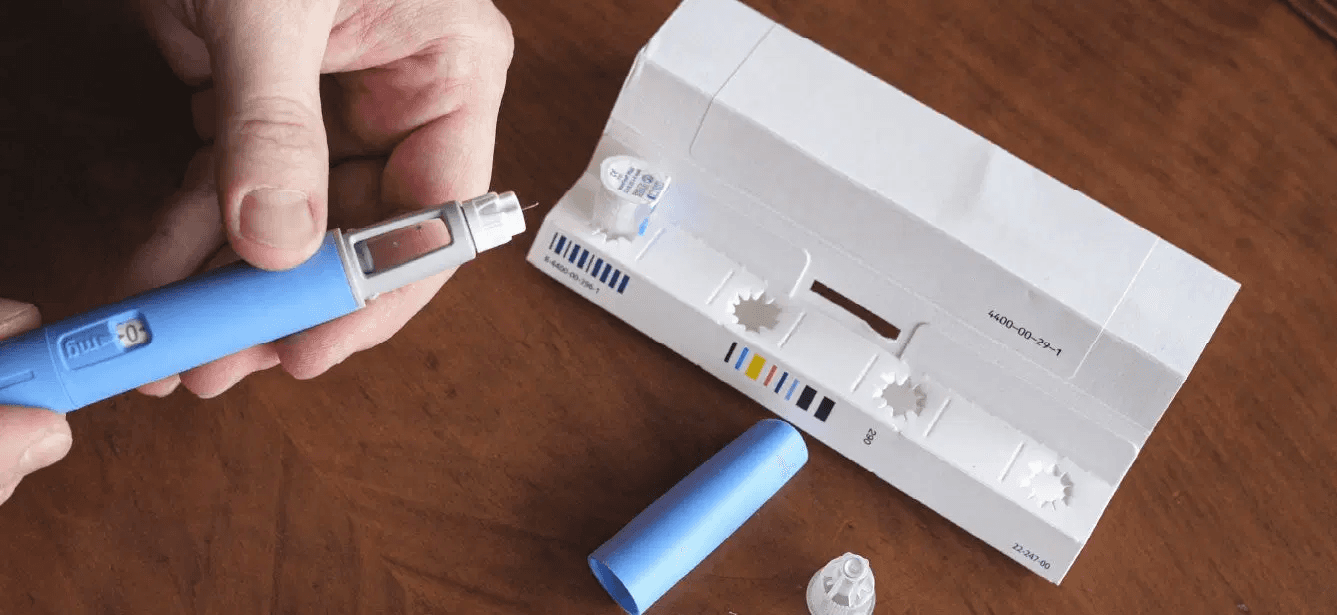
Yes, you can and should ask your doctor about weight loss medication if you've been struggling with your weight and health issues. This conversation is a standard, medically appropriate first step toward comprehensive weight management. Your primary care doctor can review your health history, current conditions, and body mass index to determine whether weight-loss medication is appropriate for you. They can prescribe these medications directly or refer you to specialists if needed. Additionally, exploring a GLP-1 app could provide useful insights for your weight-loss journey. Many people think that asking for weight loss medication goes beyond real medical help and turns into vanity-driven requests. This belief is strong because society often views weight as a personal failure rather than a medical issue.
For years, the diet and fitness industries have promoted the idea that losing weight depends solely on willpower, discipline, and extra effort. When you believe this, going to a doctor's office and asking for medication might feel like you're giving up or looking for an easy way out. The fear of being judged can exacerbate this hesitation. You might worry that your doctor thinks you haven't tried hard enough or that you are just searching for a shortcut. These worries are understandable. Social stigma around obesity is real, and it can even show up in healthcare settings where kindness should be the norm. However, it's important to remember that obesity is a chronic disease affecting more than 2 in 5 adults in the United States. It greatly raises the risk of diabetes, heart disease, stroke, and other serious conditions. Your doctor knows this.
What role do prescription weight loss medications play?
Weight management isn't just about counting calories in and calories out. According to the Mayo Clinic, prescription weight-loss medications can help people lose and maintain 5% to 10% of their body weight when combined with lifestyle changes. That might seem like a small number, but it has significant effects on your health: lower blood pressure, better blood sugar control, lower triglyceride levels, less joint pain, and improved sleep quality. These changes are not just for looks; they are important improvements that lower your risk of serious health issues.
Dr. Fatima Cody Stanford, an obesity medicine doctor at Mass General Hospital and a professor at Harvard Medical School, explained this well: "It's a brain disease. And the brain tells us how much to eat and how much to store." When the brain’s systems work against weight loss, willpower alone isn't enough. People are not failing to lose weight because they lack discipline; rather, they are fighting biological systems that evolved to protect them from starvation. These systems don't distinguish between eating less food on purpose and not having enough food.
Why do people struggle with weight loss?
Many people spend years trying out different diets, thinking that each time it will be the one that really works. They might lose some weight, but often they reach a point where they can't lose more and then regain it, only to try a new method. This cycle continues until they become frustrated and give up. What they often miss is that struggling alone with diet and exercise, without getting help from doctors, wastes valuable time. This time could have been used to address the physical barriers that hinder weight loss.
Another problem is the false idea that only obesity specialists can give out weight loss medications. But your regular doctor can evaluate your situation and prescribe these medications if you meet certain criteria: usually a BMI of 30 or more, or a BMI of 27 or more with weight-related health problems, such as type 2 diabetes, high blood pressure, heart disease, or sleep apnea. You don't need a referral to a specialist to start this conversation, although your doctor might suggest one based on your needs.
Who can benefit from weight loss medications?
Weight-loss medications aren't right for everyone; they're not intended for people who just want to lose a few pounds to look better. These are FDA-approved treatments for people whose weight leads to or worsens serious health problems. If someone has tried to improve their diet and exercise more but hasn't had much success, and they're facing health issues related to obesity, medication could offer the extra help needed for the body to respond to lifestyle changes.
These medications work in different ways. Some reduce appetite by altering brain chemistry, while others slow digestion to help people feel full for longer. Some also stop fat from being absorbed. The newer GLP-1 medications are unique because they mimic hormones that regulate blood sugar and appetite, helping the body respond more effectively to food. They aren't magic pills that eliminate the need for healthy habits; instead, they are tools that improve those habits by addressing the physiological factors that make it harder for people.
What to expect after getting a prescription?
Getting a prescription is just the start of a longer journey that requires ongoing focus on nutrition, hydration, side-effect management, and the formation of good habits. Tools like MeAgain's GLP-1 app help people manage this complexity by providing personalized tracking of meals, injections, protein and water intake, and progress visualization. The medication provides an opportunity for change, but sustaining that change requires daily attention to the details that drive successful weight loss.
What challenges might arise with insurance coverage?
Even when a doctor prescribes weight loss medication, insurance coverage can create another challenge. Some plans cover these medications while others clearly state they do not. Medicare, for example, has often excluded anti-obesity medications; however, recent proposed rule changes could expand coverage to millions of additional Americans. Without insurance coverage, the newer injectable medications cost between $349 and $499 each month, making them too expensive for many people who could benefit.
This financial barrier can be frustrating for those who have finally found the courage to ask for help, obtain a prescription, and then learn they cannot afford the treatment. If an insurer denies a claim, a doctor can support the case by explaining the medical reasons to the insurer. People can also appeal the decision themselves, usually within 180 days. Manufacturer savings programs, discount cards through services like GoodRx or SingleCare, and payment plans from providers can sometimes lower out-of-pocket costs enough to make treatment possible.
How do I start the conversation with my doctor?
Knowing how to communicate with your doctor can significantly affect what you can do next to manage your health.
Related Reading
How to Talk to Your Doctor About Weight Loss Medication

Walking into your doctor's office and saying, "I want to talk about weight loss medication," is probably easier than you think. Most healthcare providers receive these requests frequently, and many are eager to prescribe when it's the right choice for your health. The conversation itself isn't the problem; what matters is being prepared with the right information so your doctor can determine whether medication is suitable for you. Dr. Eric Smith, a bariatric surgeon and medical director of POP Recovery Systems, suggests starting with something simple: "I've been struggling with my weight and its impact on my health. I'm interested in learning more about weight loss medications and whether they might be an option for me."
That's all you need: a clear statement of what you want, without any fancy excuses or apologies for taking up time. Your healthcare provider will want to know why you are interested in medication. They might ask why you think now is the right time and what you have already tried. Be ready to discuss your reasons beyond the number on the scale. For example, maybe your knees hurt after walking upstairs. Perhaps you have type 2 diabetes and find it hard to keep your blood sugar level steady. Concerns like fertility issues or sleep apnea affecting your life are also important. Worries about self-esteem are real, too; mental health is a key part of your overall well-being, not just a small reason to seek help. Additionally, consider using our GLP-1 app to help you manage your weight-loss journey.
What should I bring to my appointment?
Bring a complete picture of your current health. This includes listing any medical conditions you're managing, such as hypertension, PCOS, reflux, or joint pain, as well as all medications or supplements you currently take. Your doctor needs this information to determine which weight-loss medications are safe for you and won't interact adversely with what you're already using. If your weight has worsened any existing conditions, state that specifically.
Be ready to talk about what you've already tried. Your provider will want to know about past weight loss efforts: which methods you tried, how long you stuck with them, and what results you saw, if any. This isn't about proving you've struggled enough to deserve medication; it's about understanding your history so your doctor can suggest something that might actually work where other methods haven't.
What questions should I expect?
Your doctor will almost certainly ask about your daily habits. Questions may include: What does your diet look like? How often do you eat throughout the day? What foods do you crave? If you can, track what you eat before your appointment so you can provide accurate answers. Vague estimates won't help anyone make informed decisions. Expect questions about exercise, too. How much physical activity do you get each week? What types of movement feel manageable versus overwhelming? According to research published in 2021, exercise training improves body weight and body composition in adults with overweight or obesity. Your provider will likely recommend incorporating movement alongside any medication. This isn't judgment. It's standard care.
Why is sleep quality important?
Sleep quality (sleep quality) is more important than many people think. Bad sleep and a mismatch in your circadian rhythm (when your internal clock doesn't align with your daily routine) are linked to weight gain and obesity. If you're getting only four hours of sleep each night or working rotating shifts, this information is important. Your doctor should consider whether sleep problems are contributing to your weight issues. Additionally, effective weight management can be supported by using a GLP-1 app that helps track health outcomes and improve them.
How does mental health impact weight management?
Mental health is a crucial factor in managing weight. Chronic stress, depression, and anxiety can greatly affect how you eat. Additionally, medications for these conditions can affect your weight. Dr. Supriya Rao, a physician certified in internal medicine, gastroenterology, obesity medicine, and lifestyle medicine, emphasizes: "We want to address the whole you, so please come prepared with knowledge of all of your lifestyle choices."
This includes how you handle stress, whether you use tobacco or other substances, your work-life balance, and your willingness to seek mental health support as part of your weight management plan. Alcohol consumption is another important factor for your provider. How many drinks do you have each week? Be honest, no one is keeping score or judging your Friday nights. Alcohol adds calories, and binge drinking is linked to a higher risk of obesity. Interestingly, some weight loss medications can help reduce the urge to drink. If cutting back on alcohol is already a goal, it’s good to mention that.
What should I know about weight loss medications?
While it’s not necessary to become an expert on pharmacology before your appointment, understanding the basic categories of weight loss medications will help you ask better questions and understand your doctor's recommendations.Weight-loss pills primarily work by reducing appetite and cravings, helping create a calorie deficit. According to Dr. Richa Mittal, a board-certified internal medicine physician and founder of Radiant Health Dallas, typical weight loss with pills ranges between 5% to 10% of body weight, as noted by the Mayo Clinic. Individual responses to these medications can differ. Since pills have been around longer, they are often less expensive than newer injectable options.
What are some examples of weight loss pills?
The main prescription pills include Contrave (naltrexone/bupropion). This medication combines an opioid blocker and an antidepressant to help reduce food cravings and make you feel fuller. Adipex-P (phentermine) is an appetite suppressant that is approved for short-term use. Qsymia (phentermine/topiramate) combines appetite suppression with changes in how your brain rewards food. Xenical or Alli (orlistat) prevents fat from being absorbed from the food you eat. However, this can often cause oily stools and bloating because unabsorbed fat is excreted.
What about weight loss injections?
Weight-loss injections are a class of drugs called GLP-1 receptor agonists. They help by slowing stomach emptying, which makes you feel full for longer. These injections also affect regions of the brain that regulate hunger and the pancreas, which manages blood sugar. Dr. Mittal explains how this works: these medications delay stomach emptying, which creates a feeling of fullness, while also activating areas of the brain that regulate appetite and the pancreas that control blood sugar levels.
The injectable options include Wegovy (semaglutide), which you inject once a week; Zepbound (tirzepatide), which targets both GLP-1 and GIP receptors for effective weight loss and is also given weekly; and Saxenda (liraglutide), which is injected daily. Some medications, such as Ozempic, Mounjaro, Trulicity, and Rybelsus, are FDA-approved for type 2 diabetes but may also be prescribed for weight loss.
How effective are injections compared to pills?
Injections usually give more dramatic results than pills. Research shows that about 70% of people taking semaglutide for 68 weeks lost at least 10% of their weight; around 50% lost at least 15%, and one-third lost 20% or more of their starting weight. This is much higher than the 5-7% that is usually seen with pills. Cost often decides which option makes sense. Pills are usually suggested when injections aren’t covered by insurance or when the personal cost is too high. Dr. Smith also says that pills are a good choice if you’ve tried injections and found the side effects too hard to handle, or if you really dislike needles.
Which option should I choose based on my health?
Injections may be the better choice if you have serious weight-related health issues like type 2 diabetes or if you want to lose more weight. The qualification rules are similar for both options. Generally, you will probably qualify if you're over 18 with a BMI of 30 or higher (which is considered obesity), or a BMI of 27 or higher if you have a weight-related health problem, like high blood pressure, type 2 diabetes, or heart disease. Also, Wegovy and Saxenda can be prescribed to children 12 and older who meet specific criteria.
What questions should I ask my doctor?
Don't leave your doctor's office with just a prescription. Dr. Smith emphasizes the importance of asking comprehensive, detailed questions, especially when information isn't provided upfront. Start with the basics: What weight loss medications are available, and which one do you think is best for my situation? Why do you recommend this particular medication for me? Inquire specifically about the medication's side effects. What are the possible side effects, and how common are they? Are there certain side effects that might affect my current health conditions or medications? Some side effects are minor annoyances; others could be deal-breakers depending on your lifestyle or existing health issues.
What is the long-term plan for medication?
Ask about the long-term plan. Will I need to take this medication for the rest of my life? What will happen if I stop taking it? Will I gain back the weight I lost? These questions are not negative; they are sensible and important for knowing your commitment. Cost is a big factor, so ask directly: What will this medication cost with and without insurance? If my insurance stops covering it, what are my choices? Since insurance coverage for weight-loss medications changes frequently, it's important to understand what will happen if your plan stops covering them.
What lifestyle changes are needed with medication?
Making lifestyle changes while on medication is crucial for achieving the best outcomes. It is important to determine if your doctor's office provides support through nutritional counseling, exercise planning, or mental health services. Dr. Rao suggests asking additional questions to ensure a comprehensive approach: Are there non-medication alternatives to consider first? How will my progress and health be monitored during treatment? What will check-ins involve? What if the medication doesn't work for me? What should my realistic expectations be? Lastly, what happens if I reach a plateau in my progress?
What if my doctor can't prescribe medication?
If your primary care provider can't prescribe weight-loss medications or feels uncomfortable doing so, consider asking about alternatives. Telehealth services and specialized weight management clinics often employ providers experienced in prescribing these medications.
Why is honesty important in this conversation?
Many people don't realize until they're sitting in the exam room that their doctor can't help them if they're not honest. Admitting to enjoying ice cream every night or not exercising for months is not embarrassing; it's useful information. Sharing this honestly enables providers to make informed recommendations. There's no shame in trying to improve health through whatever means are available.
Can medications be life-saving?
Dr. Rao puts it plainly: When better lifestyle choices aren’t enough, these medications can really be life-saving. Medications have helped many of his patients reach a healthier weight and reverse some long-term health conditions when used as part of a complete lifestyle change. The important part here is as part of. Medication isn't a substitute for lifestyle changes; instead, it is a tool that makes those changes easier when willpower and effort alone haven’t worked.
How can tracking help with weight loss?
Many people on GLP-1 medications find that tracking becomes essential after getting their prescription. Protein intake is more important than most realize, and hydration affects how you feel. Injection timing can affect side effects, while meal composition can affect how satisfied you remain between doses. The medication creates an opportunity, but maximizing that opportunity requires attention to daily habits that are easy to forget without a system. Apps like MeAgain help people manage this complexity by centralizing tracking for injections, protein goals, water intake, meals, side effects, and progress all in one place. This turns the commitment into something sustainable rather than overwhelming. Getting the prescription safely and effectively starts with that first conversation. Now that we know how to approach it, the process is clearer.
Related Reading
Can You Take Semaglutide Every Other Week For Weight Loss
How Old Do You Have To Be To Take Ozempic
What to Do After Your Doctor Prescribes Weight Loss Medication
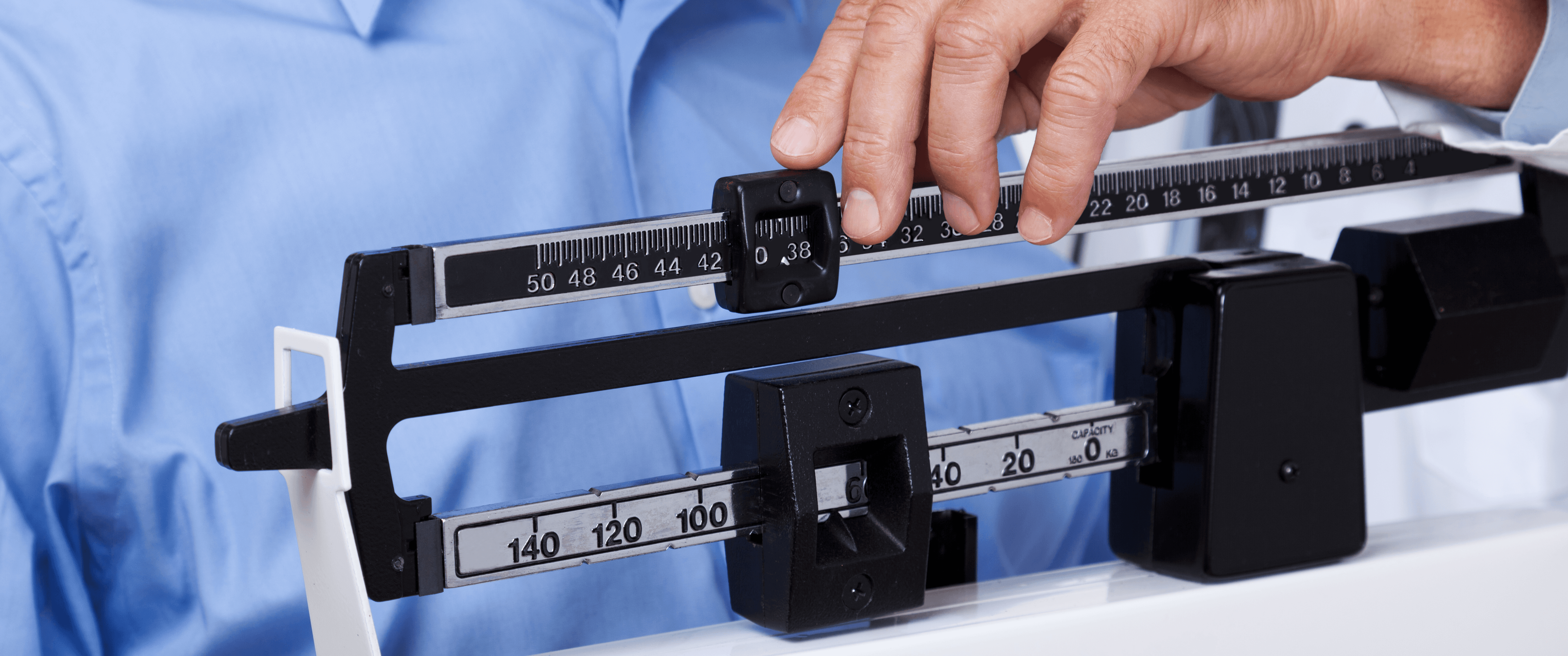
Walking out with a prescription feels like the finish line, but it's actually the starting gate. The medication creates potential, not immediate results. What you do in the following weeks will determine whether this becomes a turning point or just another attempt that fades as life gets complicated. Your first task is to understand exactly what you're taking and how it works in your body. If your doctor prescribed a GLP-1 like Wegovy or Zepbound, you'll start at a low dose that gradually increases over several weeks. This titration schedule is important; it gives your body time to adjust while reducing side effects like nausea or fatigue. Write down your dosing schedule, set reminders for injection days, and know when your dose increases and what to expect at each level.
Why is protein intake important?
Most people think that tracking means counting calories. While that is part of it, it's not the most important factor for success on GLP-1 medications. Protein intake is very important because these medications suppress appetite so effectively that many people find it hard to eat enough to maintain muscles mass. According to UT Southwestern Medical Center, patients can lose up to 15% of their body weight while using GLP-1 medications. Without enough protein, a big part of that weight loss comes from lean tissue, not just fat.
One person talked about this problem after three weeks on Mounjaro: even with careful tracking of their macros, it became impossible to eat enough food. Eating about 1,500 calories every day while trying to keep up with a training schedule led to constant tiredness that willpower alone couldn't fix. Even though the appetite suppression worked as it should, it made it really hard to meet basic nutritional needs, not just annoying.
How does hydration affect weight loss?
Hydration matters more than you might think. GLP-1s slow the rate at which your stomach empties, which can affect how your body handles fluids. Try to drink at least three to four liters of water each day, and think about drinking more if you are active. Not getting enough water can make side effects worse and increase fatigue. It's important to keep track of how much water you drink, just like you do with food.
What should I know about fiber intake?
Fiber intake is important. Slow digestion can cause constipation, which many people experience. It's crucial to focus on eating vegetables, whole grains, and other sources of fiber. If someone eats less food due to decreased appetite, it's important to ensure the foods they do eat have enough fiber to keep digestion on track.
How to manage nausea from medication?
Nausea ranks as the most common complaint, especially in the first few weeks or after dose increases. For some people, it's mild queasiness that passes quickly. For others, it's severe enough to interfere with work or exercise. Timing your injection smartly can help. Many people schedule injections on days when they can rest or have lower physical demands, giving their bodies time to adjust before returning to normal activity.
Why keep a log of side effects?
Keeping a simple log of your daily feelings is important. Write down when nausea happens, how long it lasts, and what makes it better or worse. Also, track your energy levels, sleep quality, and any stomach issues. This practice isn’t just unnecessary; your healthcare provider needs this information to determine whether your current dose is appropriate or requires adjustment. Additionally, using our GLP-1 app can streamline the process and help you monitor your progress more effectively.
When to contact my provider?
Don't wait for your next scheduled appointment to report severe or persistent side effects. If you're experiencing repeated vomiting, not being able to keep food or water down, or unusual symptoms like a fast heartbeat or severe abdominal pain, contact your provider immediately. While most side effects can be managed, some may need prompt intervention.
How to maintain habits after initial motivation?
The first month on weight loss medication feels different because people are excited, focused, and noticing early results. This increased awareness usually fades as the medication becomes a regular part of their routine, and the initial rapid weight loss slows to a more steady pace. People who succeed in the long run build habits during those first motivated weeks, which help them keep going automatically even after the excitement fades.
What kind of meal schedule should I follow?
Scheduling specific times for meals is important rather than eating whenever you remember. Start the day with a routine that includes checking your weight and planning your protein intake. Arrange your environment so that high-protein foods are easy to see and reach. On the other hand, foods that trigger side effects or do not help you reach your goals should be harder to get. Making these changes helps to reduce the number of decisions you make each day. This is important because decision fatigue is a real issue, and willpower is a limited resource.
Why is exercise important for weight loss?
Exercise becomes more important as you lose weight, not less. Strength training helps maintain muscles mass as you lose weight, which helps your metabolism stay high and makes it easier to maintain your weight in the long run. Cardio is good for your heart and also helps you burn extra calories. But starting a tough exercise program while getting used to medication side effects can often lead to problems. It's better to start with a manageable activity level and gradually increase intensity as your body adjusts to the medication. Consistency is more important than how hard you work out in the first few months.
How should we approach weight-loss medications sustainably?
Weight-loss medication isn't a quick fix. For most people, it is a long-term approach that requires sustained focus on nutrition, hydration, side-effect management, and habit formation. The Mayo Clinic reports that these medications help people achieve and maintain a 5% to 10% weight loss when used alongside lifestyle changes. However, many people find it hard to keep that weight off after they stop taking the medication because the physical reasons that made it hard to lose weight in the first place are still there.
What should I focus on beyond weight loss?
Understanding this reality from the outset changes how you view the entire process. You’re not just trying to lose weight fast; you’re creating a system that helps your health for a long time after the initial excitement fades. This means you should view the medication as one part of a comprehensive approach rather than the whole solution. Spend time figuring out what foods make you feel good, which exercise routines you can stick to, and what tracking methods really fit your lifestyle. The habits you create now will decide what happens after you reach your goal weight. Most people don’t understand how important the daily details are until they start having difficulties.
Just Got Prescribed a GLP-1? Take Control of Your Weight Loss Journey
Getting a prescription marks the start, not the end result. GLP-1 medications lower your appetite and slow digestion, but these effects are sustained only when combined with daily tracking, consistent nutrition habits, and effective side-effect management. The medication creates a chance for change. What you do in the hours and days between doses determines whether that opportunity remains open or begins to close as the initial excitement fades. This approach treats medication as part of a comprehensive strategy rather than the sole solution. It takes time to learn which foods make you feel good, which exercise routines you can stick with, and which tracking methods work best for your lifestyle. The habits you develop now will affect what happens after you hit your goal weight. Sadly, many people don't see how important the daily details are until they face challenges. MeAgain makes it simple and even enjoyable. The app turns tracking your nutrition, hydration, exercise, and medication into an easy game led by a cute capybara coach. Users can celebrate achievements with their Journey Card, monitor habits that help prevent muscle loss and constipation, and stay committed so every dose is effective. Download MeAgain today and make your weight loss journey your favorite game, because reaching success is easier with guidance and support every step of the way. glp-1 app
Related Reading
Top Semaglutide Providers
Best Place To Get Mounjaro
Cost Of Oral Wegovy
Tirzepatide Compound Cost
Microdosing Glp 1
Best Place To Get Semaglutide
503a Pharmacy Tirzepatide
Best Place To Buy Tirzepatide Online
Best Place To Get Wegovy Online