
results
Oral Wegovy Cost Breakdown and How to Save Money

James Madison, GLP-1 Expert
Feb 21, 2026
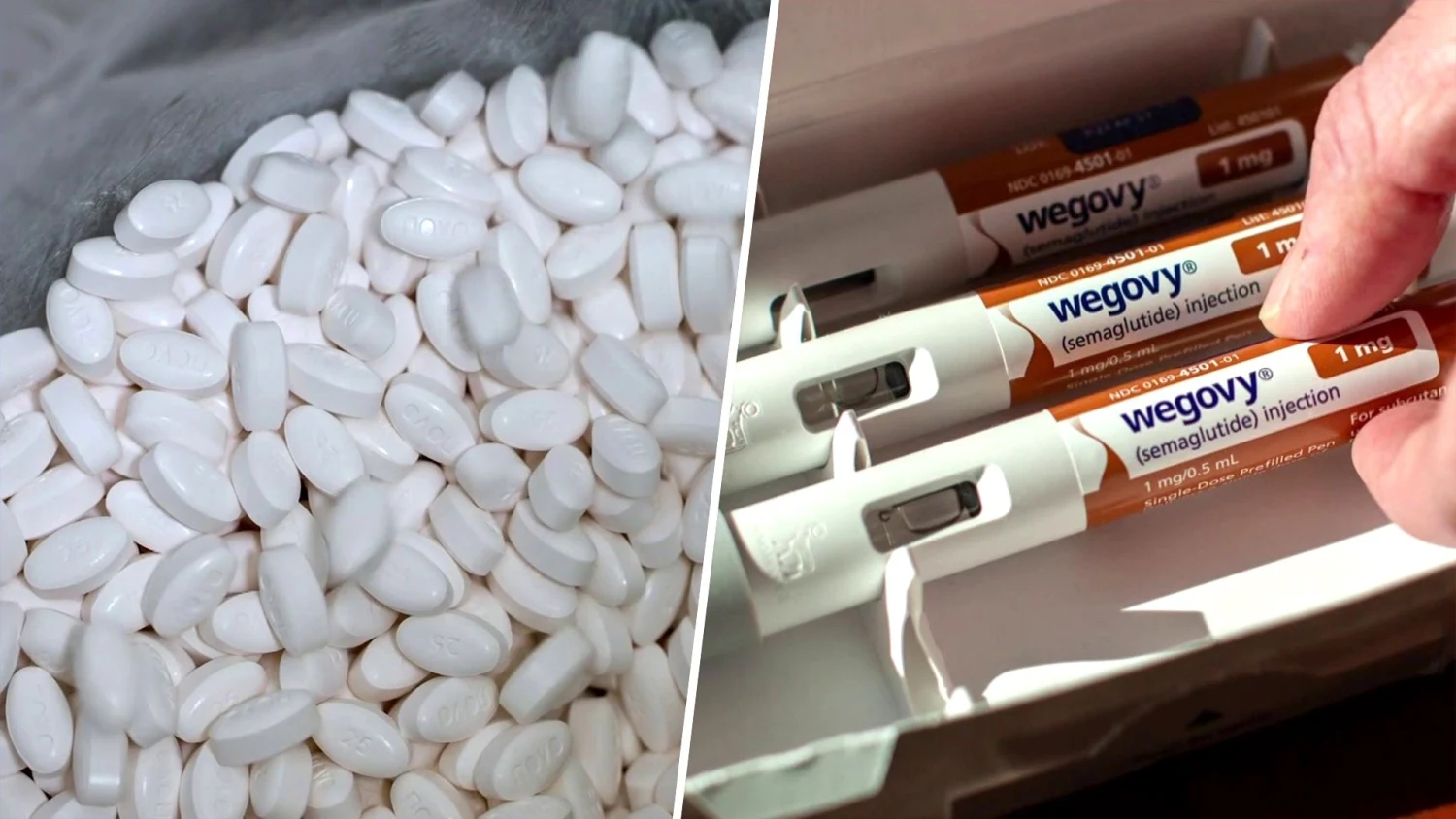
The cost of oral Wegovy varies widely based on insurance coverage, pharmacy choice, and available savings programs, often leaving patients unsure of their actual out-of-pocket costs. Many people struggle to navigate complex pricing structures and miss opportunities to reduce their medication costs through discount programs and pharmacy comparisons.
Understanding these cost factors helps patients make informed decisions about their weight management treatment without facing unexpected financial burdens. MeAgain's GLP-1 app connects users with resources to clarify medication pricing, compare local pharmacy options, and identify discount programs that can significantly reduce expenses.
Summary
The pill form of Wegovy costs nearly as much as the injectable version, with monthly prices ranging from $149 to $299, depending on the dose strength. Injectable Wegovy runs $199 for the first two months, then $349 monthly, making the cost difference marginal. Patent protection gives Novo Nordisk exclusive pricing power for both forms, and the company prices based on market strategy rather than manufacturing costs, so the simpler pill production doesn't translate into consumer savings.
Insurance coverage determines your actual out-of-pocket cost far more than the medication's list price. With commercial insurance and manufacturer savings programs, patients can pay as little as $25 per month, while those without coverage pay $149 to $299. Medicare and Medicaid enrollees can't use manufacturer discount cards due to federal regulations, creating a two-tier system in which commercially insured patients pay significantly lower prices than those in government programs.
Prior authorization requirements and insurance formulary tier placement create approval barriers even when plans technically cover GLP-1 medications. Some insurers require documented participation in weight management programs for three to six months before approving coverage. Appeals succeed more often than expected when doctors submit additional documentation addressing specific denial reasons, but the process requires persistence, leading many patients to abandon coverage attempts after initial rejection.
Pharmacy pricing for oral Wegovy varies by $50 to $100 per month between chain pharmacies, independent locations, mail-order services, and manufacturer-operated options. Calling multiple pharmacies to compare cash prices on specific doses takes time, but translates directly into monthly savings. Open enrollment periods offer the only opportunity to switch insurance plans for better formulary access, making annual plan reviews critical for patients facing high-tier placement or no coverage.
Unregulated online pharmacies and social media sellers offer semaglutide at prices that appear attractive but pose serious safety risks due to contaminated or misused products. Medications purchased outside licensed pharmacies provide no guarantees about sterility, proper storage, or accurate dosing. People have been hospitalized due to counterfeit products, rendering cost savings irrelevant when contamination or incorrect ingredients cause medical harm that exceeds the cost of the medication.
GLP-1 app addresses this by tracking the daily habits that determine whether medication investment translates into sustained results, including protein intake to prevent muscle loss, hydration to reduce side effects, and fiber targets to maintain digestive function during appetite suppression.
Table of Contents
Is the Wegovy Pill More Affordable Than Weekly Injections?
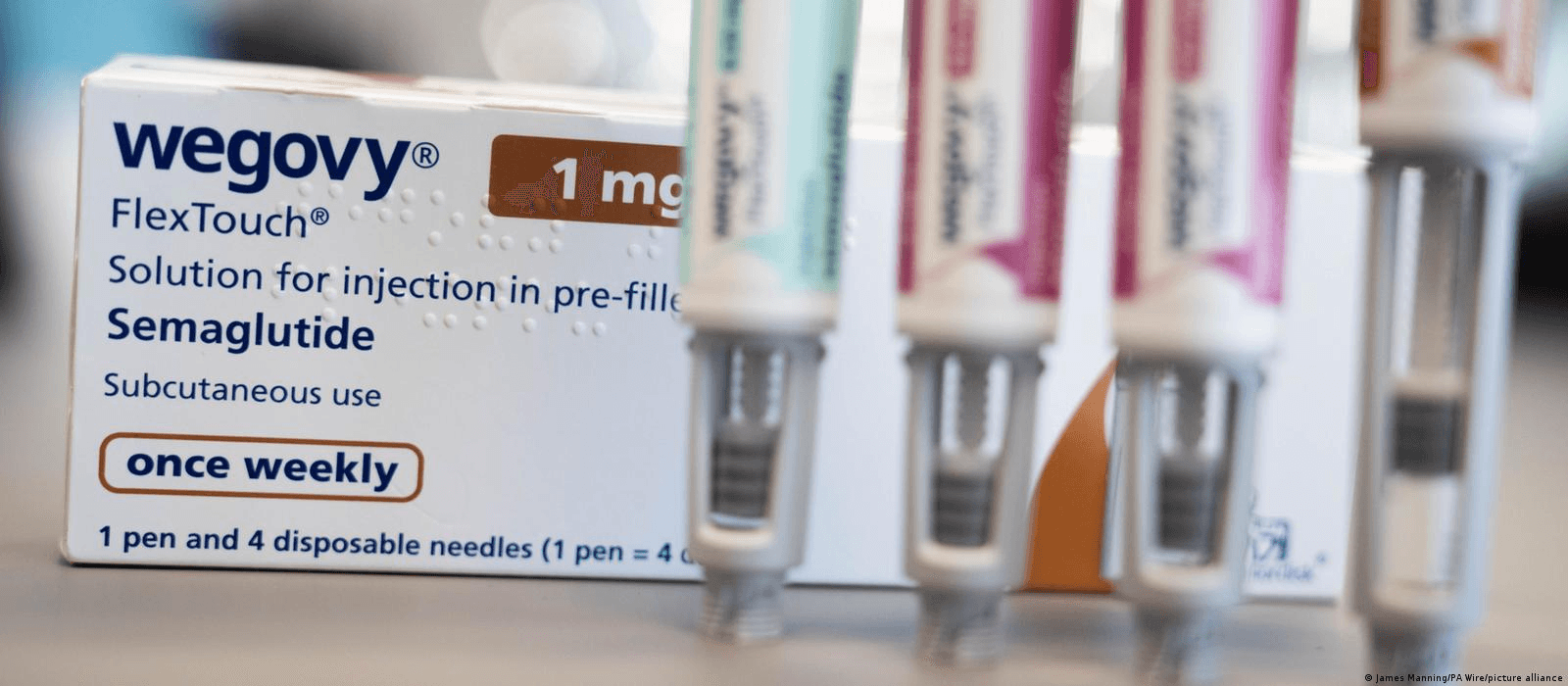
No, the oral version of Wegovy doesn't deliver the price drop most people expected. When Novo Nordisk rolled out the pill form in early 2025, many assumed switching from injections to tablets would mean significant savings, but the math tells a different story.
💡 Key Insight: The oral Wegovy maintains nearly identical pricing to the weekly injections, with most patients seeing only $50-100 monthly differences through insurance coverage.
"The transition to oral semaglutide was designed for convenience, not cost reduction - pricing remains consistent across delivery methods." — Novo Nordisk Financial Report, 2025
⚠️ Reality Check: Don't expect the pill format to solve Wegovy's affordability challenge - the active ingredient costs remain the primary driver of the medication's high price point
.
Why don't pills cost less than injections?
Pills require higher doses to match injection effectiveness because they're absorbed in the stomach before reaching the bloodstream, and pharmaceutical pricing reflects that reality more than manufacturing costs.
What are the actual price differences between forms?
The assumption makes sense on the surface. Pills are cheaper to produce, ship, and store. Injectable Wegovy pens need refrigeration until use, and if they're exposed to temperatures above 86 degrees Fahrenheit, they're ruined. Pills don't carry that burden. Yet according to STAT News, the highest maintenance dose of oral Wegovy costs $549 per month out of pocket, while injectable Wegovy settles at $349 monthly after the initial two-month period at $199. The oral version actually costs more at full strength.
How do patented medications differ from generic drug pricing?
Patented GLP-1 medications are subject to different rules than generic drugs. When a pharmaceutical company holds exclusive rights, pricing reflects market positioning and perceived value, rather than just production costs. Novo Nordisk structured the oral Wegovy rollout with tiered pricing: the starting 1.5 mg dose costs $149 monthly, the 4 mg dose temporarily costs $149 (rising to $199 in mid-April), and both the 9 mg and 25 mg maintenance doses cost $299 per month. The company markets this as more accessible, but you're paying comparable or higher amounts once you reach therapeutic doses.
What do medical experts say about oral medication pricing?
Dr. Rozalina McCoy, an endocrinologist at the University of Maryland School of Medicine, captured the disconnect perfectly. "The hope was that once we have oral agents, they're going to be less expensive than the injectable, because some of the justification for the higher cost of the injectable was the mode of delivery, the pens," she explained. "Even though I'm not surprised, I am disappointed that the oral treatment, which doesn't have that higher cost, is going to be a similar price for patients."
Why do oral doses need to be so much higher than injectable versions?
The clinical trial data reveal why doses climb so high. Novo Nordisk's phase 3 study showed that the 25 mg oral dose produced an average of 16.6 percent weight lossat 64 weeks. The injectable version, at just 2.4 mg weekly, achieved 17.4 percent weight reduction at 68 weeks. You're taking roughly 10 times the medication in pill form to achieve nearly identical results, and that volume is baked into the price structure.
How do insurance plans treat different Wegovy forms?
Insurance plans treat oral and injectable Wegovy differently, but not always in ways that benefit you. Some insurers cover one form and exclude the other, based on formulary decisions that shift each year. Under certain plans, oral Wegovy costs $25 monthly, according to a Novo Nordisk spokesperson, but that figure applies only to best-case scenarios with premium insurance and prior authorization. Most people pay co-pays of $100 to $300 per month, depending on their plan's tier structure and whether they've met their deductible.
What concerns do doctors have about pill accessibility?
The ease of accessing pills creates another cost dynamic that Dr. McCoy worries about. "I am concerned that the relative ease of accessing the pills may increase their off-label use among people who do not have obesity," she noted. When medications become simpler to obtain, insurance scrutiny often tightens in response, potentially making coverage harder to secure even for people who genuinely need it.
How might competition affect future pricing?
Dr. Sameer Khan, a hepatologist at Johns Hopkins who treats patients with liver disease and obesity, sees the pill as progress despite the pricing disappointment. "Accessibility has been a major, major issue. And up until very recently, I've had patients facing huge co-pays," he said. "I think this is a pretty significant move in the right direction." His optimism hinges on competition. Eli Lilly's oral GLP-1 orforglipron is expected to reach the market soon, and multiple manufacturers entering the space typically force price adjustments across the board.
What makes medication costs worthwhile?
The cost conversation misses a critical piece, though. Whether you're spending $299 or $549 monthly, that investment only works if you're maximizing the medication's effectiveness by consistently tracking protein intake, hydration, injection timing, mood patterns, and side effects. Most people underestimate how much disciplined lifestyle management amplifies GLP-1 results. Tools like MeAgain centralize that tracking through voice logging, meal scanning, and smart scheduling that syncs with your body's cravings and energy patterns, turning medication cost into measurable progress rather than a monthly expense you hope pays off.
How does patent protection create pricing power?
When a pharmaceutical company develops a new drug, patent law grants it exclusive rights to sell it for years, sometimes decades. During that window, no competitor can offer a cheaper version. Novo Nordisk's patents on semaglutide mean they face no direct price competition from generics. Whether the medication comes in a pen or a pill, the active ingredient and the patent protection are the same.
Why don't prices drop between different forms?
That's why you don't see a dramatic price drop between the two forms. The delivery method changes, but the monopoly doesn't. Novo Nordisk can set prices for both versions based on demand, insurance negotiations, and its own revenue goals, not on the relative simplicity of manufacturing a pill versus an injectable.
Why does insurance tier placement matter more than medication form?
Your insurance plan categorizes medications into tiers, and those tiers determine your out-of-pocket cost. Tier 1 drugs are the cheapest, usually generics. Tier 3 and Tier 4 drugs are specialty medications that often require prior authorization and carry higher copays. Both oral and injectable Wegovy typically land in higher tiers because they're brand-name, patented treatments for obesity.
Does the pill form automatically reduce insurance barriers?
Even if the pill version costs slightly less at the pharmacy counter, your insurance might place it in the same tier as the injectable, so your co-pay stays the same. Some plans might even require step therapy, where you try a cheaper medication first before they'll approve coverage for Wegovy. The pill doesn't automatically bypass those barriers.
What determines the actual pricing structure?
According to Noom, the list price for oral Wegovy can reach $1,349 per month without insurance, depending on the dose. That figure reflects the same pricing dynamics as those for injectable GLP-1 medications. The delivery method doesn't determine the price. The system does.
How does brand strategy reinforce pricing consistency?
Novo Nordisk has spent years positioning Wegovy as a premium weight-loss treatment. Pricing the pill version significantly lower would undercut that brand perception and potentially cannibalize sales of the injectable. If the pill were half the price, patients and doctors would overwhelmingly choose it, thereby reducing revenue from the injectable product line.
Why does comparable pricing protect revenue streams?
By keeping prices comparable, the company allows patients to choose based on preference (needle aversion, convenience, dosing frequency) rather than cost. That strategy protects their revenue across both product forms while maintaining the perception that Wegovy, in any version, is a high-value medication worth the investment. It's a calculated move. The pill isn't positioned as the budget option. It's positioned as an alternative delivery method for the same premium treatment.
Why are the underlying cost factors systemic rather than pharmaceutical?
When you look at why GLP-1 medications cost so much, the reasons extend beyond Novo Nordisk's pricing decisions. Insurance companies negotiate rebates and formulary placement behind closed doors. Pharmacy benefit managers take cuts. Prior authorization processes create administrative overhead. Patients without insurance face list prices that bear little resemblance to what insured patients pay.
How does the pill format affect these cost dynamics?
The pill doesn't disrupt any of those dynamics. It enters the same system, subject to the same negotiations, rebates, and insurance hurdles. If you're hoping the pill will be more affordable, you're hoping the system will treat it differently. So far, it hasn't.
What matters more than medication format for managing costs?
That's why understanding your specific insurance coverage, pharmacy options, and discount programs matters more than choosing between a pill and an injection. The form of the medication is a personal preference decision. The cost is determined by a web of factors you'll need to actively manage, not something that resolves itself based on how you take the drug. MeAgain's GLP-1 app helps you track not just your medication schedule, but also the habits that determine whether your treatment investment pays off. Protein intake, hydration, meal timing, and side-effect patterns all influence how well the medication works, whether you're taking a pill or an injection. The app gives you a clear view of what's working and what's not, so you're not just spending money on medication without the daily structure to make it effective.
How should cost factor into your medication choice?
If you're choosing between oral and injectable Wegovy, cost probably won't be the deciding factor. Convenience, needle aversion, dosing frequency, and side effect tolerance will matter more. Some people find daily pills easier to remember than weekly injections. Others prefer the simplicity of one shot per week over daily medication routines.
What financial steps should you take regardless of form?
The financial calculation is roughly the same either way. You'll still need to check your insurance formulary, compare pharmacy prices, and explore manufacturer discount programs. The pill doesn't automatically unlock savings. It just gives you another option for how you take the medication. The form of the medication doesn't determine the price. The system does. But knowing what you'll actually pay each month, and whether your budget can sustain it, requires more than comparing list prices.
Related Reading
The Real Monthly Cost of Oral Wegovy (With and Without Insurance)
Without insurance, oral Wegovy costs between $149 and $299 per month, depending on your dose, though the official list price is $1,349.02. With insurance coverage, you'll pay anywhere from $25 to $299 per month based on your specific coverage type and whether you qualify for manufacturer savings programs. Your actual out-of-pocket expense depends far more on your insurance structure than on the medication itself.
🎯 Key Point: The $1,349.02 list price is rarely what patients actually pay - most people access significant discounts through insurance or manufacturer programs that can reduce costs by up to 89%.
"Your actual out-of-pocket expense depends far more on your insurance structure than on the medication itself." — Healthcare Cost Analysis, 2024
⚠️ Warning: Always verify your specific insurance coverage before starting treatment, as copay amounts can vary dramatically between different insurance plans and formulary tiers.
What are the different dose pricing levels?
The cash price structure follows a dose-dependent model. The 1.5 mg starter dose costs $149 monthly when you fill through select telehealth providers like Ro, your local pharmacy, or NovoCare Pharmacy (operated directly by Novo Nordisk). The 4 mg dose also starts at $149, but only through April 15, 2026, after which it jumps to $199 per month. Both the 9 mg and 25 mg maintenance doses cost $299 monthly from the start.
How do scheduled price increases affect treatment planning?
That tiered pricing creates a moving target for long-term budgeting. If you begin treatment in March 2026 at the 4 mg level, you're planning around $149 monthly until mid-April forces a $50 increase. The scheduled price hikes don't just affect your wallet. They shift how you think about dose escalation, because moving from 4 mg to 9 mg suddenly means absorbing a $150 monthly increase instead of the $100 gap you might have expected when you started.
What does the list price actually mean for patients?
The $1,349.02 list price functions mostly as a reference point for insurance negotiations rather than what anyone actually pays. According to Noom, that figure represents the manufacturer's suggested retail price before any discounts, rebates, or cash-pay structures apply. It creates sticker shock when you first research costs, then relief when you discover the actual cash prices run 80 to 90 percent lower.
How does commercial insurance affect your Wegovy costs?
Commercial insurance holders face the widest cost range, from $25 to $299 monthly. That $25 floor becomes accessible when your plan covers Wegovy, and you qualify for the Wegovy Savings Offer from Novo Nordisk. The manufacturer discount caps savings at $100 off a one-month prescription, $200 off two months, and $300 off three months. If your insurance already negotiated a lower rate, that discount might drop your co-pay to $25. If your plan doesn't include Wegovy coverage at all, the Savings Offer still reduces your cost to the cash-pay tiers: $149 monthly for lower doses, $299 for higher ones.
What coverage options exist for Medicare and Medicaid?
Medicare and Medicaid create separate coverage puzzles. Medicare won't cover oral Wegovy when prescribed for weight loss because federal law prohibits reimbursement for obesity medications. The exception emerges when your doctor prescribes it specifically to lower cardiovascular risk in adults with heart disease plus obesity or overweight. That narrow indication qualifies for coverage under current regulations, but you'll need documentation showing the cardiovascular necessity rather than weight management as the primary goal. Medicaid coverage shifts by state. Some state programs include Wegovy on their formularies, others exclude it entirely, and several cover it only under specific BMI thresholds or documented health complications. Checking your state Medicaid program's drug formulary before pursuing a prescription saves you from discovering coverage gaps after your doctor writes the script.
Why can't government program enrollees use savings offers?
The exclusion that catches most people off guard affects government program enrollees across the board. If you receive coverage through Medicare, Medicaid, or VA benefits, you cannot use the Wegovy Savings Offer regardless of your medical need or financial situation. That restriction creates a two-tier system in which commercial insurance holders pay $25 per month, while government program beneficiaries either pay full freight or rely entirely on whether their specific program covers the medication.
How do pill and injection costs compare?
Both forms carry the same $1,349.02 list price, but their cash-pay structures diverge significantly. Wegovy injections cost $199 monthly for the first two months (through March 31, 2026), then jump to $349 for all maintenance doses. That makes the pill version $50 to $150 cheaper monthly, depending on your dose level, when paying cash. With insurance and the Savings Offer, both formats can reach $25 monthly, erasing the cost advantage entirely if you have strong commercial coverage.
What discount options are available for each format?
The injection format offers one cost-saving avenue the pills don't: pharmacy-specific coupons through SingleCare, BuzzRx, GoodRx, and Optum Perks. These discounts only work when you're paying cash, not when running claims through insurance, but they can sometimes undercut the standard cash prices. The pill version doesn't yet have widespread coupon availability beyond the official manufacturer program.
How do other GLP-1 medications compare in price?
Rybelsus, the oral semaglutide approved for type 2 diabetes rather than weight loss, carries a list price of $997.58. That's $351 lower than oral Wegovy's list price, though insurance coverage patterns differ since the FDA indications don't overlap. Orforglipron, the oral GLP-1 still pending 2026 approval, will launch with cash pricing between $149 and $399, depending on dose, according to early manufacturer announcements. Injectable alternatives span a wider price range. Ozempic lists at $997.58, Mounjaro at $1,112.16, Zepbound at $1,086.37, and Saxenda at $1,349.02. Zepbound's single-use vials offer a cash-pay option between $299 and $449 monthly, making them comparable to oral Wegovy's higher doses but more expensive than the starter tiers. Saxenda doesn't offer manufacturer savings, leaving most patients dependent on insurance coverage or paying the full list price.
What factors beyond medication cost should you consider?
The medication cost represents only one variable in your total investment. Whether you're spending $149 or $299 monthly, that expense produces results only when paired with disciplined tracking of protein intake, hydration patterns, injection timing, mood shifts, and side effects. Most people underestimate how much structured lifestyle management can amplify GLP-1's effectiveness. Platforms like MeAgain centralize that tracking through voice logging, meal scanning, and smart scheduling synchronized with your body's craving patterns, transforming medication cost from a monthly bill into measurable progress you can see building week over week. But knowing what you'll pay is just the starting point. The real question is whether you can find ways to lower that cost even further.
Related Reading
Can You Take Semaglutide Every Other Week For Weight Loss
Tirzepatide Maintenance Dose
How Old Do You Have To Be To Take Ozempic
Does Mounjaro Show Up In Blood Work
How To Ask Your Doctor For Weight Loss Injections
Can A Pcp Prescribe Weight Loss Medication
Glp-1 Drugs Over The Counter
Glp-1 Cost With Insurance
Can I Ask My Doctor For Weight Loss Medication
Glp 1 Dosing
How Long Does Tirzepatide Take To Work
Every Way to Save Money on Oral Wegovy in 2026
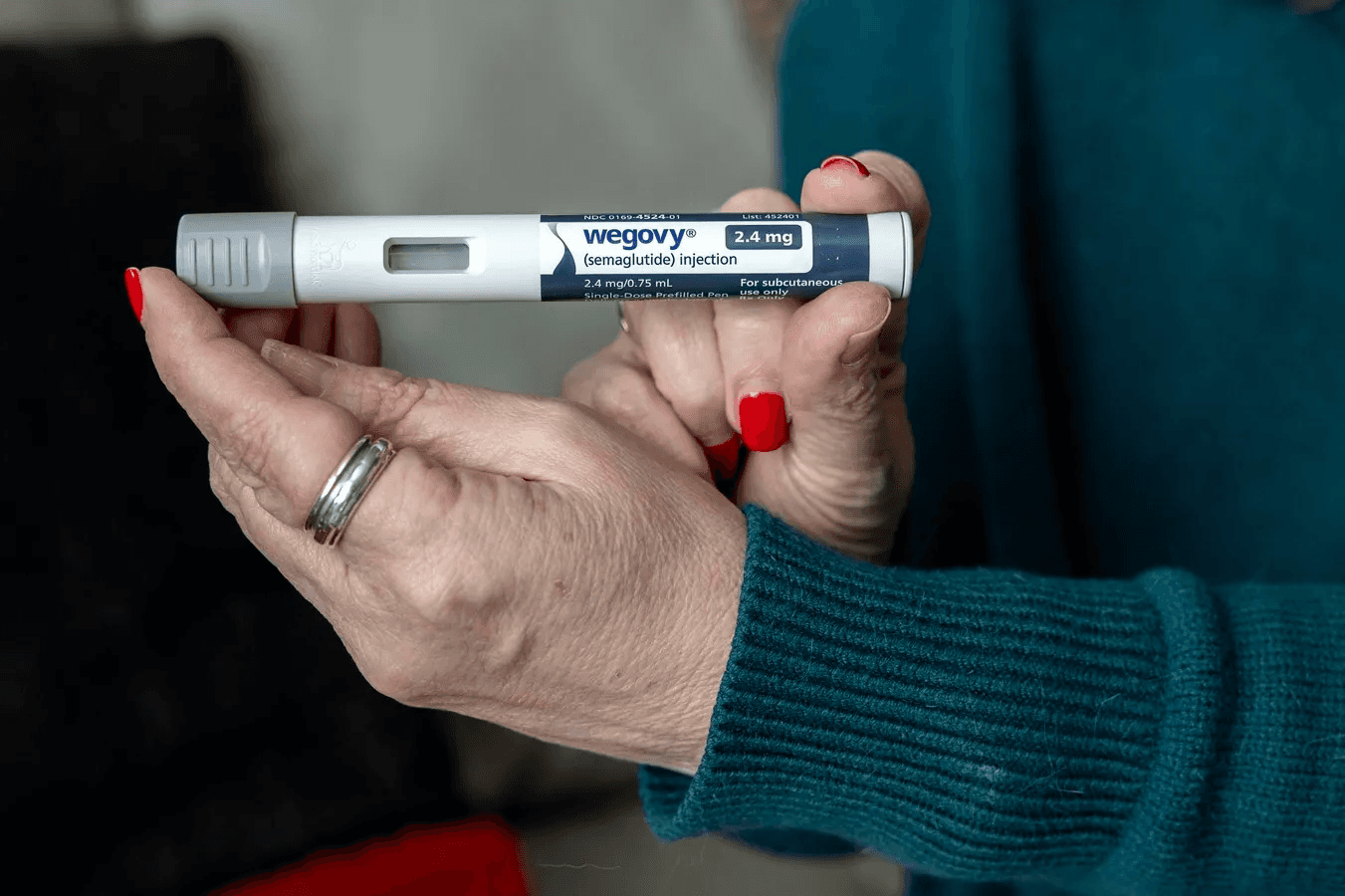
Lowering your out-of-pocket cost for oral Wegovy requires understanding which programs you qualify for and where your insurance plan creates legitimate openings. Manufacturer savings cards, pharmacy price comparisons, and formulary reviews during open enrollment all offer proven paths to reduce what you pay. None of these requires gaming the system — they just require knowing where to look and when to act.
🎯 Key Point: The most effective savings strategies combine multiple approaches rather than relying on a single discount program. Stack manufacturer coupons with pharmacy rewards and insurance optimization for maximum impact.
"Patients who actively compare pharmacy prices and utilize manufacturer assistance programs can reduce their oral Wegovy costs by 40-60% compared to paying standard retail prices." — Healthcare Cost Analysis, 2024
⚠️ Warning: Savings card eligibility often has strict income limits and insurance type restrictions. Always verify your qualification status before assuming you'll receive the advertised discount amount.
How do manufacturer savings programs work for commercial insurance?
Novo Nordisk offers the Wegovy Savings Offer to patients with commercial insurance. If your plan covers Wegovy, the program can drop your monthly cost to $25. The savings card provides up to $100 off a one-month prescription, $200 off two months, or $300 off three months. You swipe the card at the pharmacy counter, and the discount is automatically applied if you meet the eligibility requirements.
What are the cash price options without insurance coverage?
If your insurance doesn't cover Wegovy at all, the same program caps your cash price at $149 per month for the 1.5 mg and 4 mg doses, or $299 per month for the 9 mg and 25 mg doses. That's still out-of-pocket spending, but it's significantly less than the $1,349.02 per month list price Medical News Today reports for Wegovy without any discounts applied.
Why can't Medicare and Medicaid patients use manufacturer savings?
Government insurance programs operate under different rules. Medicare and Medicaid enrollees can't use the manufacturer savings card. Federal regulations prohibit combining manufacturer assistance with government-funded coverage, which means if you're on Medicare or Medicaid, you're limited to whatever your plan covers or full cash pricing without manufacturer help.
How much do pharmacy prices for oral Wegovy vary?
Not all pharmacies charge the same amount for oral Wegovy. Chain pharmacies, independent pharmacies, mail-order services, and specialty pharmacies negotiate their own pricing agreements with manufacturers and wholesalers. Calling three or four pharmacies in your area and asking for the cash price on your specific dose can reveal differences of $50 to $100 per month.
Which pharmacies offer the most competitive pricing?
NovoCare Pharmacy, operated directly by Novo Nordisk, offers oral Wegovy at the manufacturer's set cash prices. Some telehealth providers, like Ro, also offer access to medication at standardized rates. Comparing these options against your local pharmacy's pricing takes time, but that time translates directly into monthly savings if you find a lower rate.
Do discount coupons work for brand-name medications?
GoodRx coupons sometimes apply to brand-name medications, though coverage for Wegovy specifically fluctuates. Checking GoodRx before filling your prescription takes two minutes and occasionally surfaces discounts that drop your cost below what your insurance copay would have been. The platform doesn't guarantee savings, but when it works, it works immediately.
When can you change your plan to get better Wegovy coverage?
Your insurance plan's drug formulary determines whether Wegovy is covered and which tier it falls under. Most employer-sponsored plans allow changes only during open enrollment periods, typically once per year. If your current plan doesn't cover Wegovy or places it in a high-cost tier, open enrollment is your opportunity to switch to a plan that does.
How do you research formularies before open enrollment closes?
Reviewing the drug formularies of available plans before open enrollment closes requires digging into plan documents that most people ignore. But that review tells you whether switching plans could drop your monthly Wegovy cost from $299 to $25. The savings compound over 12 months, making the upfront research time worthwhile.
Can HSAs help reduce your out-of-pocket costs for Wegovy?
Some employers offer high-deductible health plans paired with health savings accounts (HSAs). If you're paying cash for Wegovy because your plan doesn't cover it, using HSA funds to pay for the medication gives you a tax advantage. You're still paying out of pocket, but you're using pre-tax dollars, which effectively reduces the real cost by your marginal tax rate.
What documentation do insurers require for prior authorization?
Even when Wegovy appears on your plan's formulary, insurers often require prior authorization before they'll cover it. Your doctor submits clinical documentation showing medical necessity, typically including your BMI, weight-related health conditions, and previous weight loss attempts. If the insurer denies the request, you either pay cash or appeal the decision.
How can you increase your prior authorization approval odds?
Understanding what your insurer requires before submitting the prior authorization request increases approval odds. Some plans require documented participation in a weight management program for three to six months before they'll approve GLP-1 medications. Others require specific BMI thresholds or co-existing conditions like type 2 diabetes or cardiovascular disease. Knowing these criteria upfront lets your doctor structure the authorization request to meet them.
What happens if your prior authorization gets denied?
Appeals take time, but they work more often than most people expect. If your initial prior authorization gets denied, your doctor can submit additional documentation addressing the insurer's stated reasons for denial. Persistence matters. Insurers count on patients giving up after the first denial, which means a well-documented appeal often succeeds on the second or third attempt.
What other GLP-1 medications might your insurance cover better?
Wegovy isn't the only GLP-1 medication approved for weight loss. Zepbound (tirzepatide) and compounded semaglutide offer different pricing structures and insurance coverage patterns. Your plan might cover one GLP-1 at a lower tier than another, which means discussing alternatives with your doctor could unlock better pricing without changing your treatment approach.
How much can compounded semaglutide save you?
Compounded semaglutide costs significantly less than brand-name Wegovy, often running $200 to $300 per month through licensed compounding pharmacies. The FDA allows compounding when a drug is on the shortage list, which semaglutide has been intermittently. Compounded medications don't carry the same regulatory oversight as brand-name drugs, but they use the same active ingredient at the same doses. If cost is blocking access entirely, compounded options provide a legitimate path forward. A generic version of semaglutide doesn't exist yet because Novo Nordisk's patents remain active. When those patents expire, generic competition will drive prices down dramatically. That timeline sits years away, which doesn't help you today, but it explains why current pricing stays high. The monopoly protects pricing power until patent expiration forces competition.
Why does medication success depend on daily habits?
Most people focus on finding the lowest price per dose and assume that solves the cost problem. But the medication only works if you're building the daily habits that make it effective. Protein intake, hydration, meal timing, and side effect tracking determine whether your monthly investment translates into sustained weight loss or just another expensive prescription that didn't deliver. MeAgain's GLP-1 app helps you track those variables in one place, so you're not just paying for the medication without the structure to make it work. The app gives you visibility into patterns your doctor can't see during quarterly appointments, so you're actively managing the factors that determine success rather than hoping the medication does all the work on its own.
Why should you avoid unregulated online pharmacies and social media sellers?
Unregulated online pharmacies and social media sellers offer semaglutide at prices that seem too good to be true because they are. Medications purchased outside licensed pharmacies carry no safety guarantees. You don't know what's in the vial, whether it was stored properly, or if the dose matches what's on the label. The risk isn't theoretical. People have ended up hospitalized from contaminated or misused products bought through unverified channels.
What are the dangers of taking someone else's prescription?
Taking someone else's prescription is illegal and medically dangerous. GLP-1 medications come in escalating doses that require careful titration based on individual tolerance and response. Starting at someone else's maintenance dose without medical supervision can cause severe nausea, vomiting, and hypoglycemia. The medication isn't one-size-fits-all, and borrowing it from a friend or family member bypasses the medical oversight that keeps the treatment safe.
What do medical experts say about unverified sources?
Sharon Giese, MD, a board-certified plastic surgeon, warns that buying from unverified sources means "you know nothing about the sterility or effectiveness, so you're essentially experimenting." The savings aren't worth the risk when contamination, incorrect dosing, or counterfeit ingredients can cause harm that costs far more than the medication itself. But even when you've secured the medication at the lowest possible price, the real challenge is making sure every dose counts.
Related Reading
Best Place To Get Semaglutide
Microdosing Glp 1
Tirzepatide Compound Cost
Top Semaglutide Providers
Best Place To Get Mounjaro
Best Place To Get Wegovy Online
Best Place To Buy Tirzepatide Online
503a Pharmacy Tirzepatide
If You're Paying for GLP-1s, Make Every Dose Count
Whether you're paying $25 or $299 monthly for oral Wegovy, the medication only works if you're building the habits that make it effective. Protein intake prevents muscle loss during weight reduction. Hydration reduces nausea and supports kidney function under GLP-1 treatment. Fiber intake maintains digestive regularity when appetite suppression slows gut motility. These aren't optional add-ons. They're the difference between losing weight and losing the right kind of weight.
💡 Tip: Your GLP-1 medication is only as effective as the daily habits you build around it. Focus on the three pillars: protein, hydration, and fiber.
"Protein intake prevents muscle loss during weight reduction, ensuring you lose fat while preserving lean body mass." — National Center for Biotechnology Information, 2018
That's where MeAgain comes in. Designed specifically for people on Ozempic, Wegovy, or Mounjaro, the app turns the daily work behind GLP-1 success into a simple, trackable system. Your capybara guide helps you stay consistent with protein goals, water intake, fiber targets, and movement patterns so you don't lose muscle or stall progress. With your personalized Journey Card, you track every milestone as your transformation unfolds, not just the number on the scale but the habits that sustain it.
🔑 Takeaway: MeAgain transforms the complex daily requirements of GLP-1 success into an intuitive tracking system that ensures you're maximizing your medication investment. If you're investing in GLP-1 medication, don't leave the results to chance. Download MeAgain today and make your weight loss journey as intentional as it is effective.